
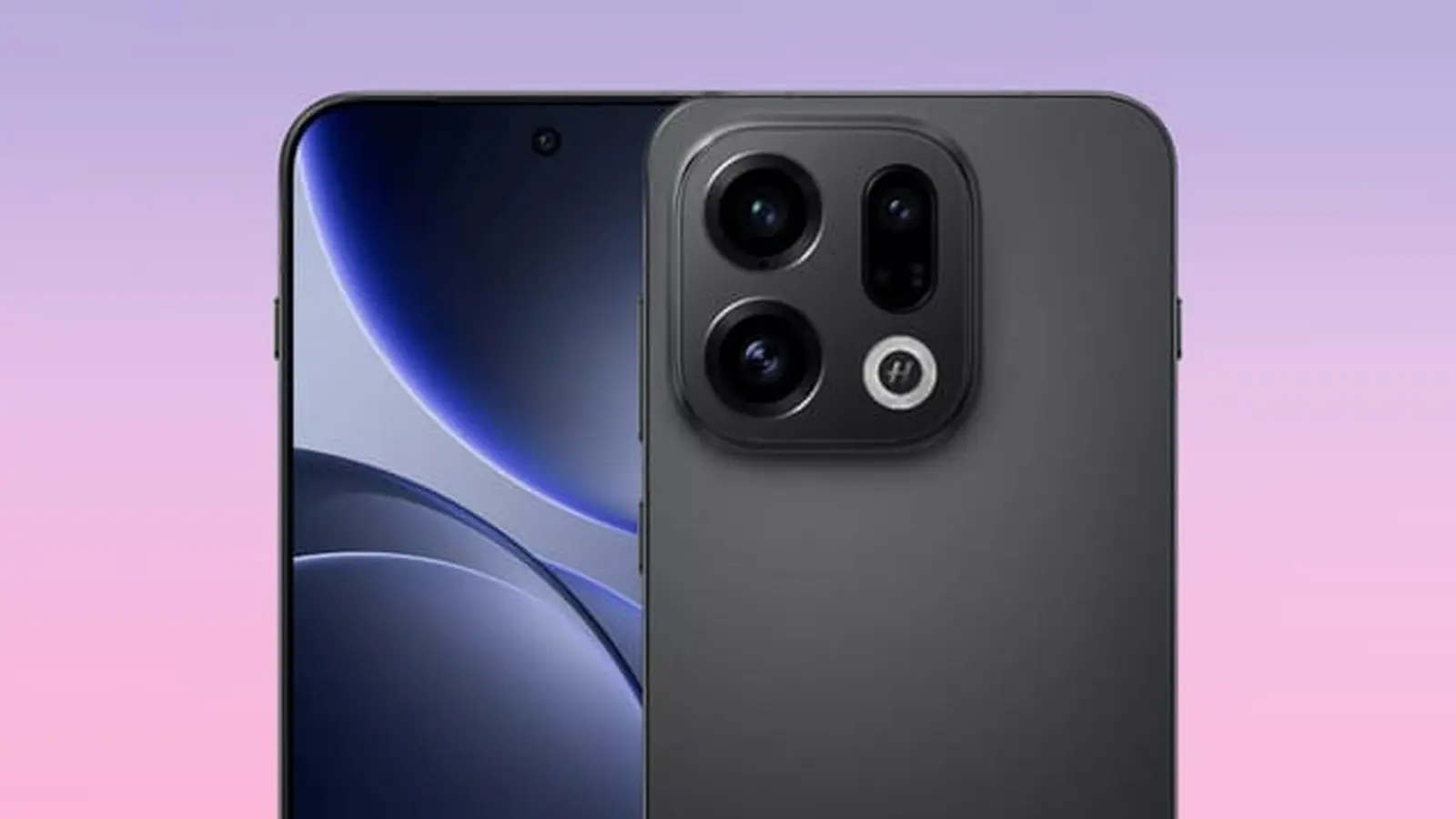
You know that late-night scroll that leaves your eyes gritty and tired? Engineers are trying to change that feeling at the molecular level. Tianma has unveiled Tiangong Screen 2.0, a second-generation OLED panel built around new light-emitting materials, and Oppo’s Find X10 line will be one of the first phones to use it.
What the Tiangong upgrade actually changes
The headline is simple: new chemistry. Tiangong Screen 2.0 introduces an N1 primary-color spectrum material that retools the red, green and blue emitters inside the OLED stack. For blue light, Tianma uses NFB fluorescent blue technology. The company says this raises luminous efficiency by 16 percent and extends the material’s life by 33 percent while reducing harmful blue emission.
Green is handled with PSF phosphorescence technology, which Tianma reports boosts luminous efficiency by 11 percent and widens the green color gamut by about 6.7 percent. Red gets a deeper treatment: DRT deep red light technology. Developers tested nearly 100 deep-red candidates and ran roughly 700 comparisons to land on a solution that increases the panel’s deep red output.

Tianma says harmful blue light now makes up only 3.7 percent of the panel’s emission, while deep red light in the 650 to 670 nanometer range reaches 5.5 percent.
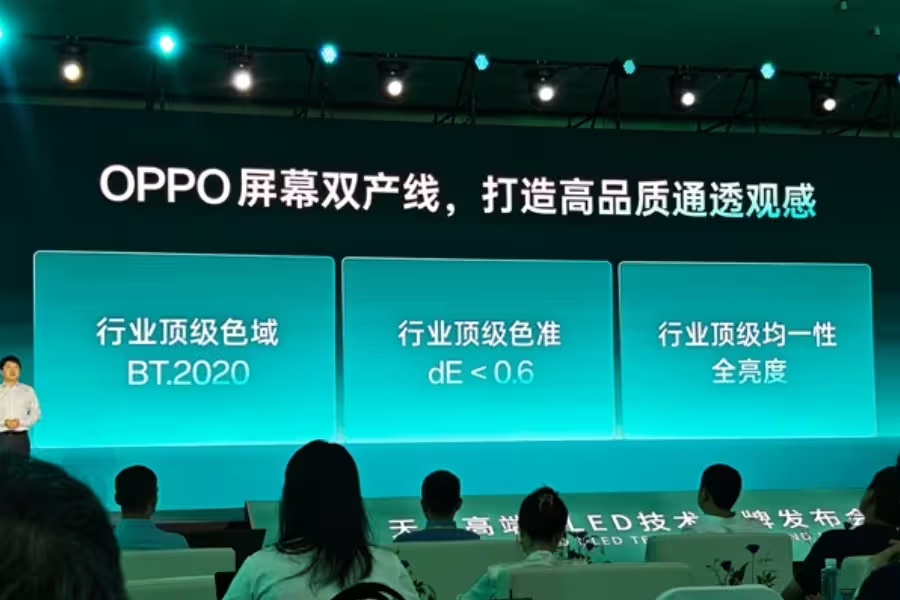
That spectral shift isn’t just marketing copy. It changes how the display balances brightness, hue and perceived comfort. The panel targets a native 95 percent coverage of the BT.2020 color space and achieves a Delta E below 0.6, which points to very accurate, restrained color reproduction rather than oversaturated tones.
Night-time use is a clear focus. Tiangong Screen 2.0 pairs its material advances with an AI De-Mura algorithm that smooths low-brightness irregularities. Tianma claims the algorithm improves low-brightness uniformity by 30 percent and lets the display reach as low as 0.01 nits while keeping color and brightness consistent.
On the hardware side, tweaks to the TFT backplane also improve uniformity and durability. The company states the new panel enjoys roughly 30 percent longer lifespan compared with the prior generation.

Oppo’s move to Tiangong Screen 2.0 is a logical next step. The Find X9 series introduced a 1-nit low-light display; Find X10 will push that line forward with Tianma’s upgraded panel. Oppo hasn’t released full specifications yet, so screen size, resolution, refresh rate and peak brightness remain unknown. The Find X10 lineup is expected to debut in September.
So will you notice the difference? If you read, browse or game in dim rooms, yes. The combination of spectral tuning, improved emitter efficiency and AI-driven uniformity is aimed at making screens feel less aggressive at night while preserving color fidelity during the day. That trade-off matters more as phones become our primary light sources after sunset.

“I love exploring gadgets, apps, and trends that redefine how we connect, work, and play in a digital world.”

Discussion
Leave a Comment
Comments
No comments yet. Be the first.