

Picture this: your glasses glance at the street sign and, without a single tap, an agent maps your next stop, books a train, and flags your boarding pass. It sounds like a scene from a sci-fi movie. Cristiano Amon says it's the direction Qualcomm is betting on.
Small devices, big expectations
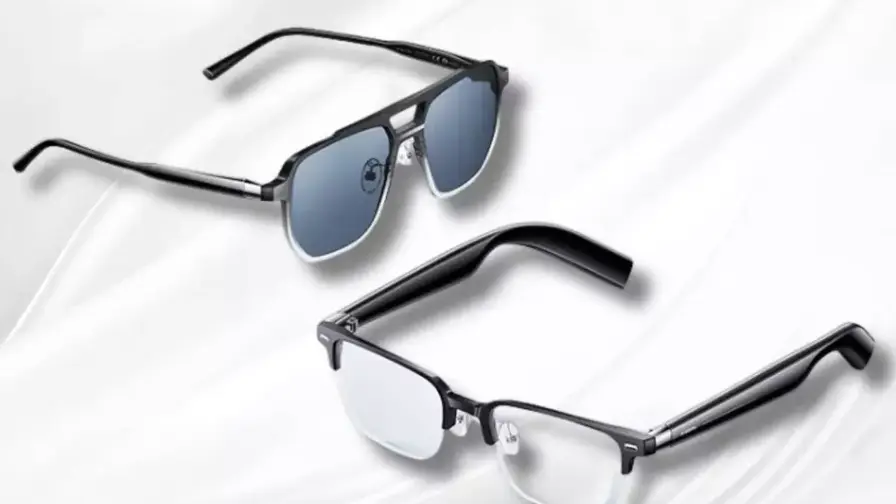
The company is quietly working on more than 40 hardware concepts aimed at shifting how we interact with digital services. That number alone is striking. Qualcomm is not just iterating on phones. It is experimenting with form factors: smart glasses, digital jewelry, ear-mounted cameras and other always-on wearables that sit in the background of daily life.
Amon told The Tech Download podcast, as reported by CNBC, that these gadgets are designed to keep a personal AI agent within arm's reach at all times. The idea is simple and radical. Instead of reaching for an app, you have an assistant that understands the room, your routine and your intent. It acts on your behalf.
So what changes? Tasks that used to require multiple apps and manual steps — booking travel, pulling specific bank details, coordinating schedules — get bundled into a single conversational flow. No more app hopping. No more digging through menus. The agent becomes the interface.

Smart glasses and ambient AI agents are being positioned as the new front door to services, not a niche accessory.
Amon is bullish on the scale. Today the market ships tens of millions of smart glasses annually. In his view, that could grow into the hundreds of millions, approaching the adoption curve smartphones rode years ago. Phones will not vanish. Expect them to recede from the center stage into part of a distributed, ambient ecosystem.
There are clear technical hurdles. Battery life, privacy controls, always-on compute and seamless handoffs between devices all need solving. Regulations and consumer trust matter too. Still, Qualcomm's push signals where major chipmakers think the next user interface war will be fought: on-device AI and sensors that make agents context-aware.
If the bet pays off, the next decade could feel less like opening apps and more like living with helpers. A different kind of convenience. One that watches, listens and acts — quietly and continuously.

“I cover emerging technologies, digital innovation, and the intersection of tech and everyday life. My goal is to make complex trends accessible and inspiring.”

Discussion
Leave a Comment
Comments
No comments yet. Be the first.