
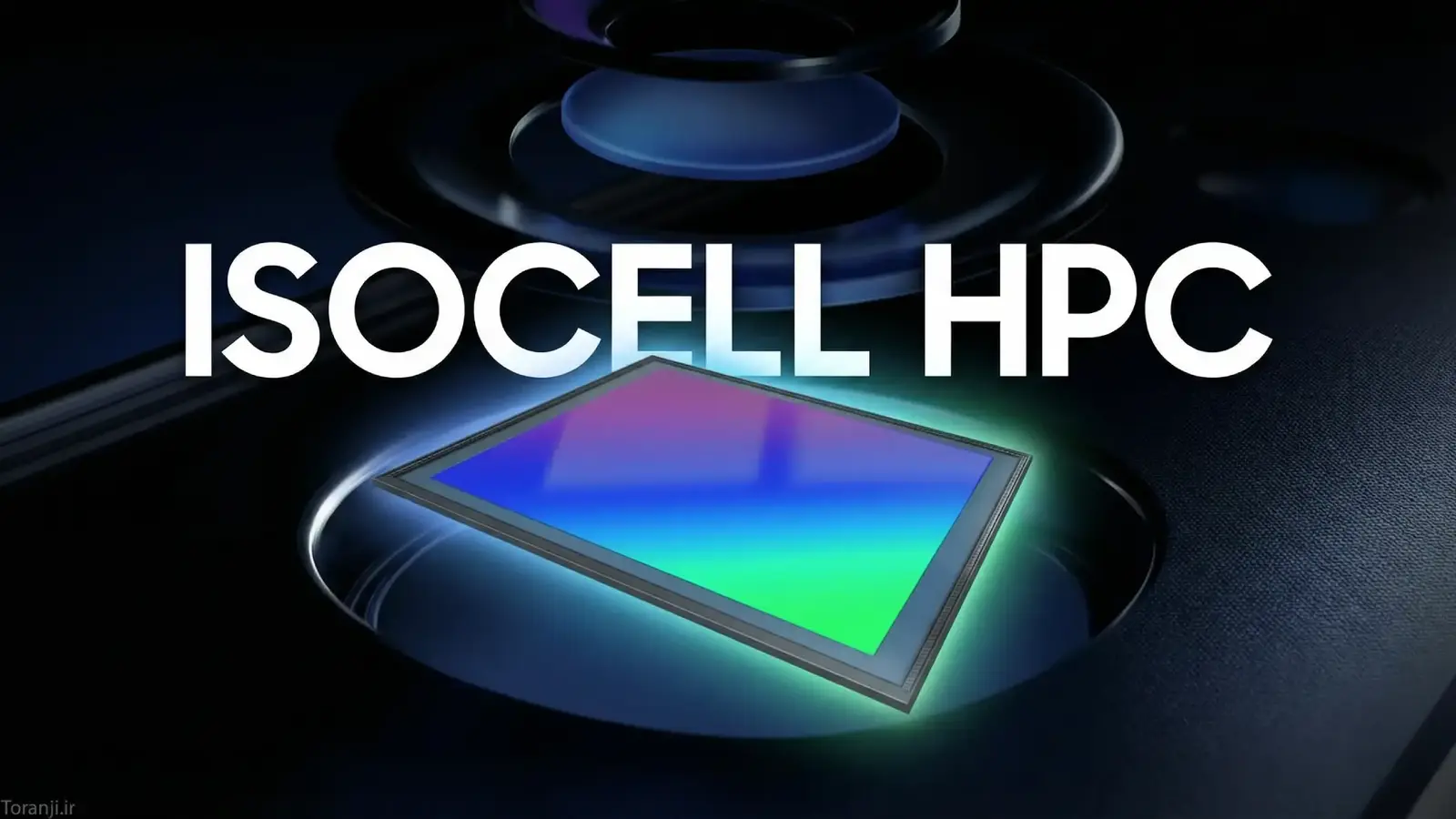
Picture a late-afternoon street scene: a backlit subject, chaotic highlights, and shadows that swallow detail. You raise your phone, tap the shutter, and the frame that used to collapse into blown highlights and muddy blacks now holds texture, color, and contrast. That is the promise Samsung is selling with its new 200MP ISOCELL HPC sensor.
What DeepPix actually brings to the picture
At the heart of the upgrade is a fresh pixel architecture Samsung calls DeepPix. It is not just marketing jargon. By using Front Deep Trench Isolation to expand both the photodiode area and the shared floating diffusion, Samsung says Full Well Capacity jumps by roughly 60 percent over the prior generation. The practical result is simple: each pixel can store more charge, which translates into cleaner shadows, brighter highlights, and less noise when light is scarce.
The sensor pushes single-frame 16-bit HDR, capturing a much richer tonal range in one exposure instead of stitching multiple shots together. That approach helps preserve natural colors and fine detail in high-contrast scenes such as bright daylight or intense backlighting. Samsung claims this yields up to four times richer color expression compared with traditional multi-exposure HDR methods.

Video shooters get upgrades as well. The ISOCELL HPC can record 8K at 30 frames per second and 4K at up to 180 frames per second. For slow-motion at lower resolution, Full HD can hit 360 frames per second without autofocus. Short, crisp bursts. Long, cinematic takes. The sensor wants both.

One feature that stands out for mobile photography is HDR across multiple in-sensor zoom steps. Instead of locking HDR to a single focal length, Samsung extends single-frame HDR to 1x, 1.5x, 2x, 3x, and 4x. Intelligent in-sensor downscaling helps preserve dynamic range and texture as you zoom, so images stay consistent across focal lengths instead of shifting in tone or noise.
The hardware choices read like a checklist for image quality. The sensor measures 1 by 1.3 inches optical format, uses 0.6µm pixels, and produces an effective resolution of 16,384 by 12,288 pixels. Samsung layers in its Tetra2pixel color filter, Super QPD autofocus, and Smart-ISO Pro HDR. Output formats cover RAW10, RAW12, RAW14, and RAW16, which gives app developers and mobile photographers plenty of flexibility in post-processing.
- New DeepPix pixel architecture with Front Deep Trench Isolation
- Full Well Capacity up by ~60 percent
- Single-frame 16-bit HDR, up to 4x richer color expression
- 8K 30fps, 4K up to 180fps, Full HD 360fps (no AF)
- 1/1.3-inch optical format, 0.6µm pixels, 16,384 x 12,288 resolution
- Tetra2pixel filter, Super QPD AF, Smart-ISO Pro HDR, RAW10-RAW16
Samsung also adds High Precision Microlens and High Transmittance ARL technologies to channel more light into each photodiode while cutting internal reflections. That combination matters: better lensing above the pixel and cleaner light paths below it make every photon count, especially in mixed lighting or low-light conditions.
So will this sensor be the headline on your next phone release? Several flagship handsets are rumored to debut in China in September, and industry chatter points to possible use in models such as the Oppo Find X10 series or the Vivo X500 series. Whether manufacturers integrate all of the sensor's capabilities will depend on processing power, thermal limits, and software tuning. Hardware alone does not make perfect pictures.
The upshot: Samsung's ISOCELL HPC is a technical leap aimed at more natural HDR, cleaner low-light shots, and consistent zoom performance across focal lengths.

Expect better base material for computational photography and more headroom for creative image processing. The sensor is a tool, and the final picture will still depend on how phone makers and app developers wield it. But as a foundation, Samsung's 200MP ISOCELL with DeepPix looks poised to give mobile cameras a noticeably firmer grip on light and color.

“I cover emerging technologies, digital innovation, and the intersection of tech and everyday life. My goal is to make complex trends accessible and inspiring.”

Discussion
Leave a Comment
Comments (2)
hmm, claims of 4x richer color and 60% FWC boost sound impressive, but how do they measure "richer"? real scenes, real testers? also curious about raw file sizes, storage hit lol
Wow, 200MP single-frame 16-bit HDR actually sounds nuts. Colors, less noise, consistent zoom... sign me up? but phone thermals and SW tuning gonna decide reality, not just the sensor