
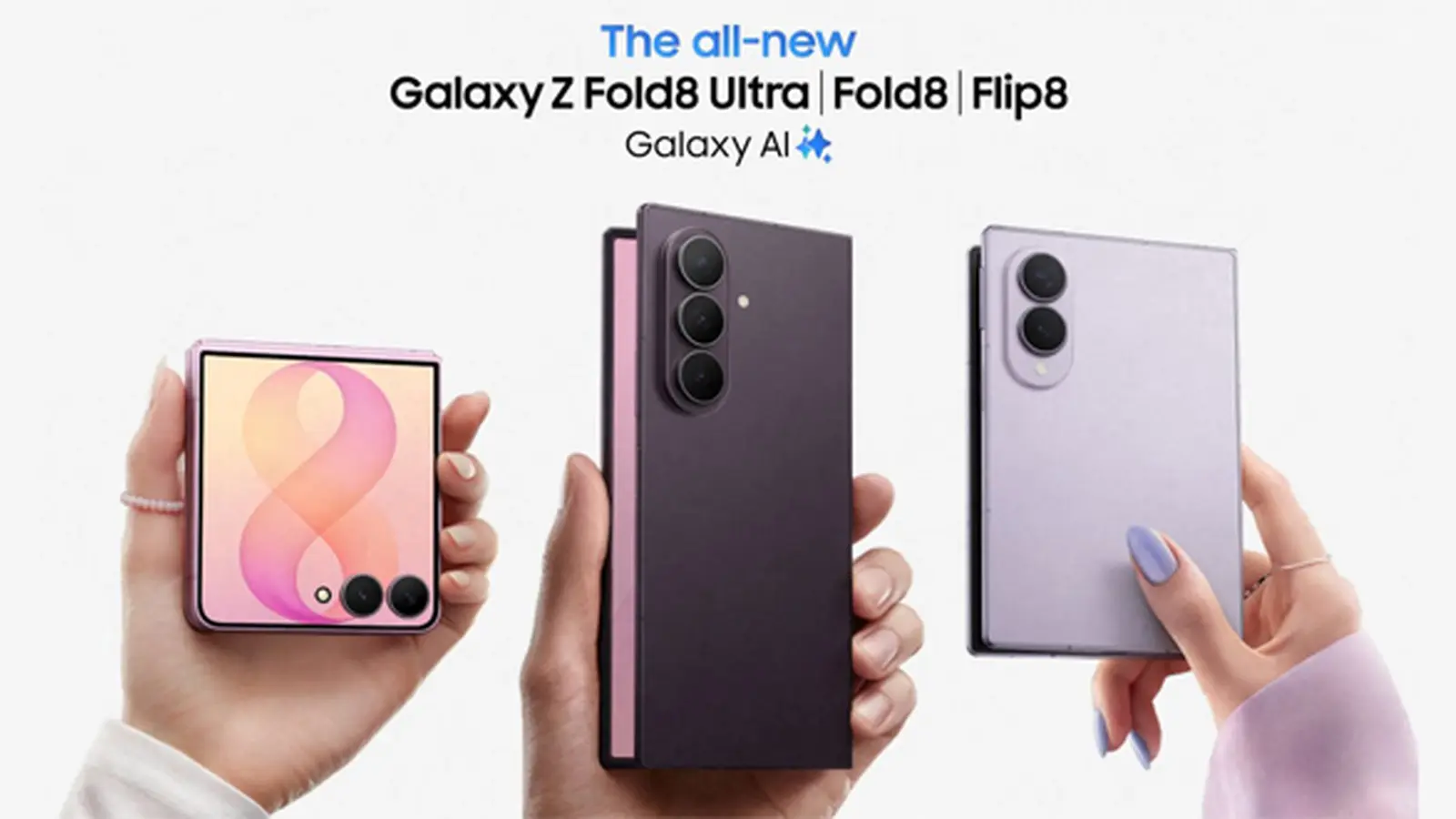
Unfold a phone and find a full-fledged AI running locally. That’s the image Samsung wants to sell with its new Galaxy Z Fold 8 and Z Flip 8: the first consumer phones to carry the Gemini Intelligence badge and to run Google’s on-device Gemini Nano 4.
Google confirmed the move. Gemini Nano 4, built on the Gemma 4 family, brings support for more than 140 languages and improved multimodal understanding, and this is its debut on mobile hardware. For Samsung, it’s not just a marketing tag. It’s a bet on on-device smarts — faster responses, lower latency, and a clearer privacy story because less data needs to be sent to the cloud.
Small model, big promises
The hardware lineup is straightforward. The Z Fold 8 and its Ultra variant run on the Snapdragon 8 Elite Gen 5 (Galaxy) and ship with either 12 or 16 gigabytes of RAM. The Z Flip 8 taps Samsung’s Exynos 2600 and comes with 12 gigabytes of RAM. Those memory figures matter: Google now requires a minimum of 12 gigabytes to qualify for the Gemini Intelligence designation.

If your phone meets the spec list and passes quality checks, it can run Gemini locally.
Google also rolled out the first Gemini-powered feature today: broad task automation that integrates with over 40 apps. It’s an early glimpse of what on-device Gemini can do. Other promised features, like a widget builder and Google Autocomplete powered by Gemini Intelligence, are still being phased in.
There’s another quiet change that matters to OEMs. Google updated Android’s hardware guidance, replacing the old phrasing of “Gemini Nano v3 or higher” with a more flexible requirement: models of the Nano family for on-device AI. The firm also dropped the hard rule that devices needed a flagship processor, opening the door to a wider range of devices that can qualify.
- Run Nano models on-device
- Deliver advanced media performance
- Minimum 12 gigabytes of RAM
- Use a qualified processor
- Meet service-level objectives in 2026 and stricter targets in 2027
- Pass quality tests at launch on Android 17 or newer
For Samsung, the move reinforces its leadership in foldables by pairing the form factor’s multitasking strengths with a native AI layer. For users, it means faster assistants, more offline capabilities, and a shift in how phone makers compete: not just by cameras or refresh rates, but by who can deliver the smartest on-device experience.
Will other manufacturers follow quickly? Expect more announcements. Phones are becoming platforms for localized AI, and Samsung just put a stake in the ground.


“I cover emerging technologies, digital innovation, and the intersection of tech and everyday life. My goal is to make complex trends accessible and inspiring.”

Discussion
Leave a Comment
Comments
No comments yet. Be the first.