
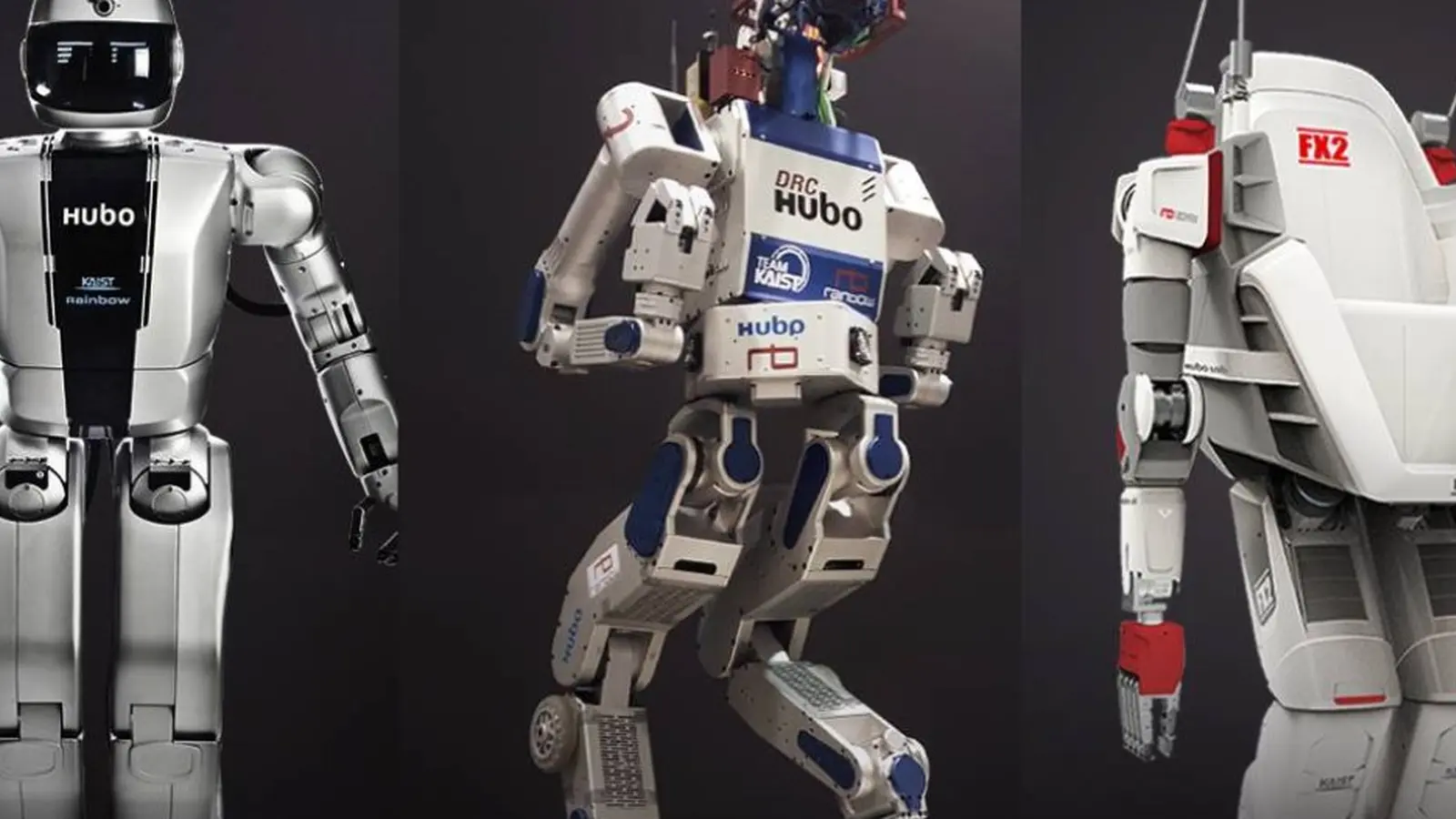
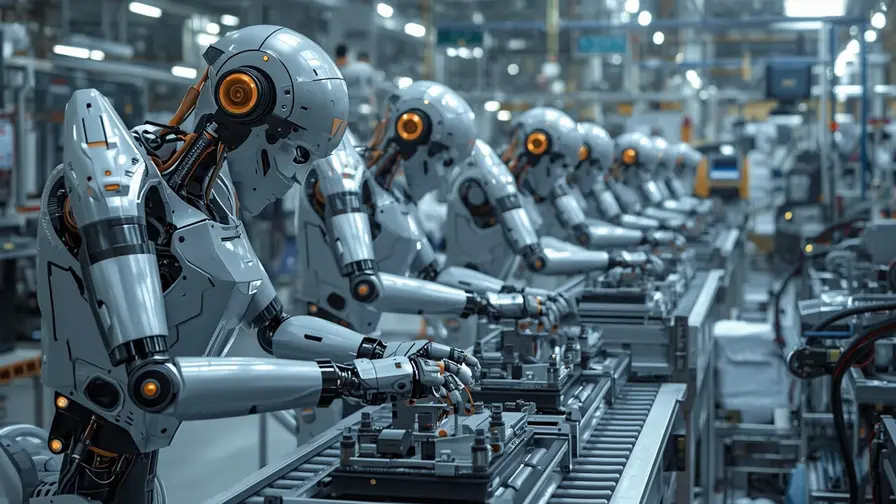
Imagine a floor where conveyor belts whisper and boxes move without human touch. That is the picture Samsung wants to paint: factories that think, adapt, and run themselves. The company has quietly assembled a new Robotics eXperience, or RX, Business Promotion Office to do exactly that, placing CEO TM Roh at the helm of a consolidated push into robots and automation.
RX will centralize Samsung's scattered robotic projects into a focused unit based at the Seoul R&D Campus in Umyeon-dong. Research hubs will spread out to the United States, China and Japan, bringing hardware and software teams closer to global supply chains and customers. Leadership choices underline the ambition: Lee Dong-geon, who built robot strategy while working with Boston Dynamics under Hyundai, now leads the Robotics Strategy Team. Ajou University’s Kim Eui-gyeom, known for his work on robotic hands and manipulation, has joined as well, strengthening Samsung's push into dexterous robotics.
Samsung aims to convert all its factories into AI autonomous factories by 2030.
The immediate focus is pragmatic. Samsung plans to deploy industrial robots across its own manufacturing lines first, using those facilities as a real-world proving ground. Only after ironing out reliability, safety and economics does the company intend to offer such solutions to other manufacturers. Think of it as an internal sandbox that will become a showcase for clients and partners.

But Samsung is not limiting itself to assembly arms. The company has a history with fine-manipulation research, including a Robotic Hand Lab that reportedly produced an advanced, undisclosed robo-hand. Adding academic expertise to corporate engineering hints at ambitions beyond repetitive pick-and-place tasks — toward robots that can handle fragile electronics or assist in complex production steps.
Rivals are sharpening their tools
Of course, Samsung's move lands in a crowded arena. Tesla's Optimus grabbed headlines for its factory trials. LG recently opened a Robotics Business Center. Startups and established names keep pushing limits: Honor ran a robot in a half marathon, Unitree has humanoid models and unconventional demos such as using robots to drop-test phones, and Hisense introduced a humanoid named Harley earlier this year. Samsung has not been idle on the corporate front either: it became Rainbow Robotics' largest shareholder in 2024 and plans targeted funding and acquisitions to accelerate capabilities.
That mix of internal development, academic hires, startup investments and mergers forms a classic playbook for rapid scaling. The betting is simple: master automation in-house, then sell the blueprint. If it works, Samsung wins twice — lower costs and a new revenue stream. If it does not, the lessons will still stretch the company’s engineering muscle.
Questions remain. How fast can robot reliability and safety meet factory standards? Can dexterous hands handle the fragile tasks of consumer-electronics production at scale? And who will buy Samsung’s industrial robots when rivals are already vying for the same customers?
Skeptics will point to the long tail of robotics projects that glow in demos but fade in deployment. Optimists will point to Samsung’s manufacturing scale and willingness to spend on integration. Either way, RX signals that Samsung sees robotics not as a novelty, but as a core industrial strategy for the coming decade.
Expect the next few years to be noisy. Prototypes will appear on test floors. Acquisitions and partnerships will follow. And in factories across the globe, a quiet revolution may be starting — one robot at a time.

“I love exploring gadgets, apps, and trends that redefine how we connect, work, and play in a digital world.”

Discussion
Leave a Comment
Comments (2)
Seen this in a smaller plant years ago, early bots took over repetitive tasks and cut costs. Integration was messy tho, staff feared job loss, lots of retraining. Samsung can do it, but not overnight.
If Samsung really flips every factory to autonomous by 2030… wow. But real question: can robot hands handle fragile chips at scale? Demos arent proof, safety and reliability will eat time, money. Curious tho.