
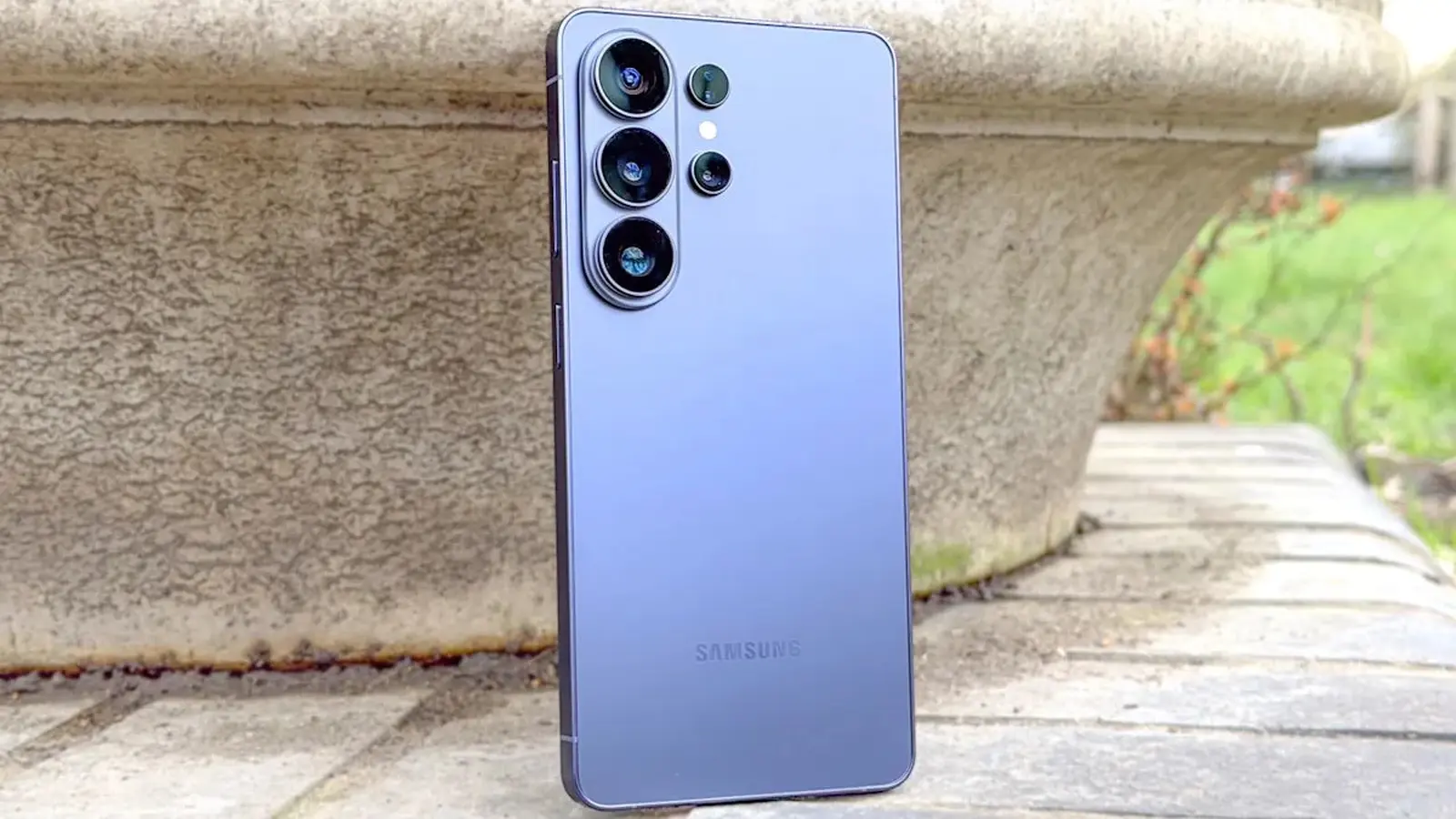
Imagine grabbing your phone at night and not worrying about the battery percentage. That small comfort could be closer if recent leaks about Samsung's next flagships are accurate.
According to a recurring source, the Galaxy S27 Pro carries a rated capacity of 5,087 mAh, which would likely be marketed as a typical 5,200 mAh cell. The S27 Ultra reportedly ups the ante with a rated 5,534 mAh, probably advertised as 5,700 mAh. Those figures are not trivial tweaks. They mark a meaningful jump from the S26 Ultra's 5,000 mAh battery and suggest Samsung is finally pushing energy density forward.
Real battery life: beyond the label
Numbers tell part of the story. A larger cell usually means more screen-on time, but it's not the whole truth. Display technology, software efficiency, and the system-on-chip behavior determine how those extra milliamp hours translate to daily use. Still, a 5,200 mAh typical rating on a Pro model—and 5,700 mAh on the Ultra—gives Samsung more headroom to balance power-hungry features like high refresh rates and advanced camera processing.

Why does this matter now? For years, several Chinese brands have pushed higher energy density with silicon carbon anodes. If Samsung is moving the same way, it would explain the jump: more capacity without a dramatic size increase, or the same battery life with less bulk. That kind of materials shift is quieter than flashy specs, but it changes the baseline for what users can expect from a flagship phone.
Of course, there are trade-offs. Packing larger batteries can add weight and complicate thermal design. Manufacturers juggle capacity, charging speed, and long-term battery health. Samsung's approach will determine whether the S27 generation feels noticeably longer-lasting or simply marginally better.
These battery leaks arrive shortly after fresh camera rumors for the S27 family, painting a picture of significant iterative upgrades rather than a radical redesign. Take the numbers with a grain of skepticism until Samsung makes an official announcement, but also don’t dismiss them. If true, they’re the kind of behind-the-scenes improvement that quietly improves everyday life.
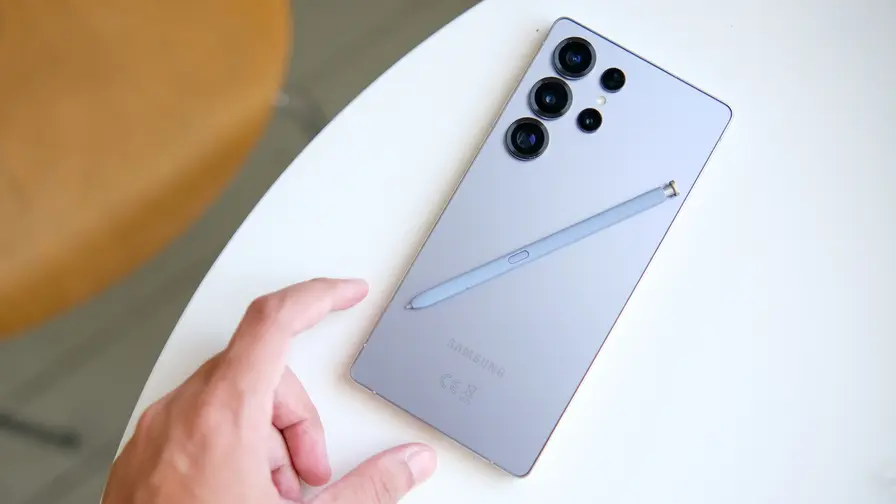

“I love exploring gadgets, apps, and trends that redefine how we connect, work, and play in a digital world.”

Discussion
Leave a Comment
Comments
No comments yet. Be the first.