
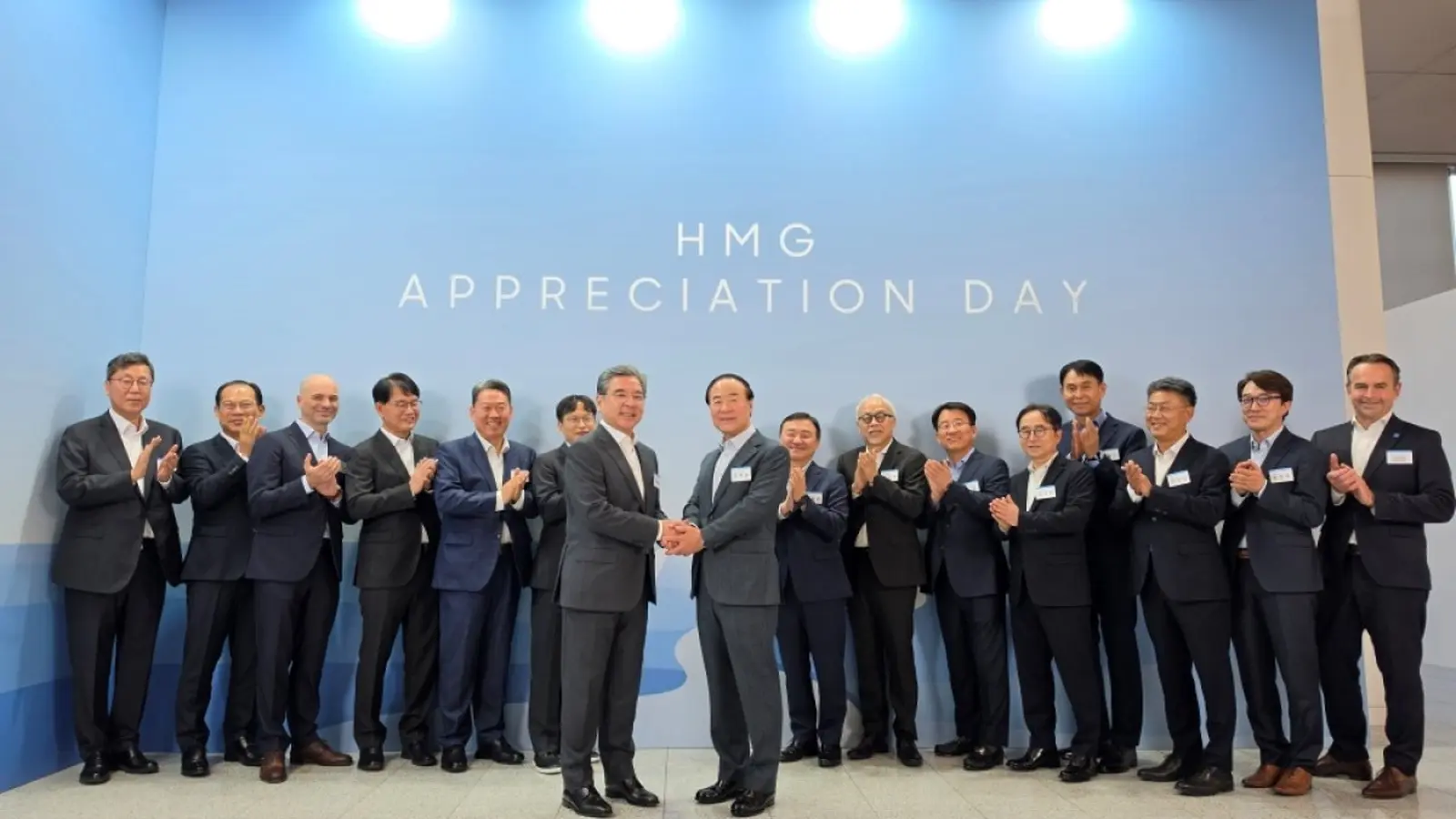
Samsung and Hyundai Motor Group have moved past decades of cautious distance and announced a new "One Team" approach at a training center in Seocheon, where leaders from both conglomerates publicly signalled a deeper industrial integration.
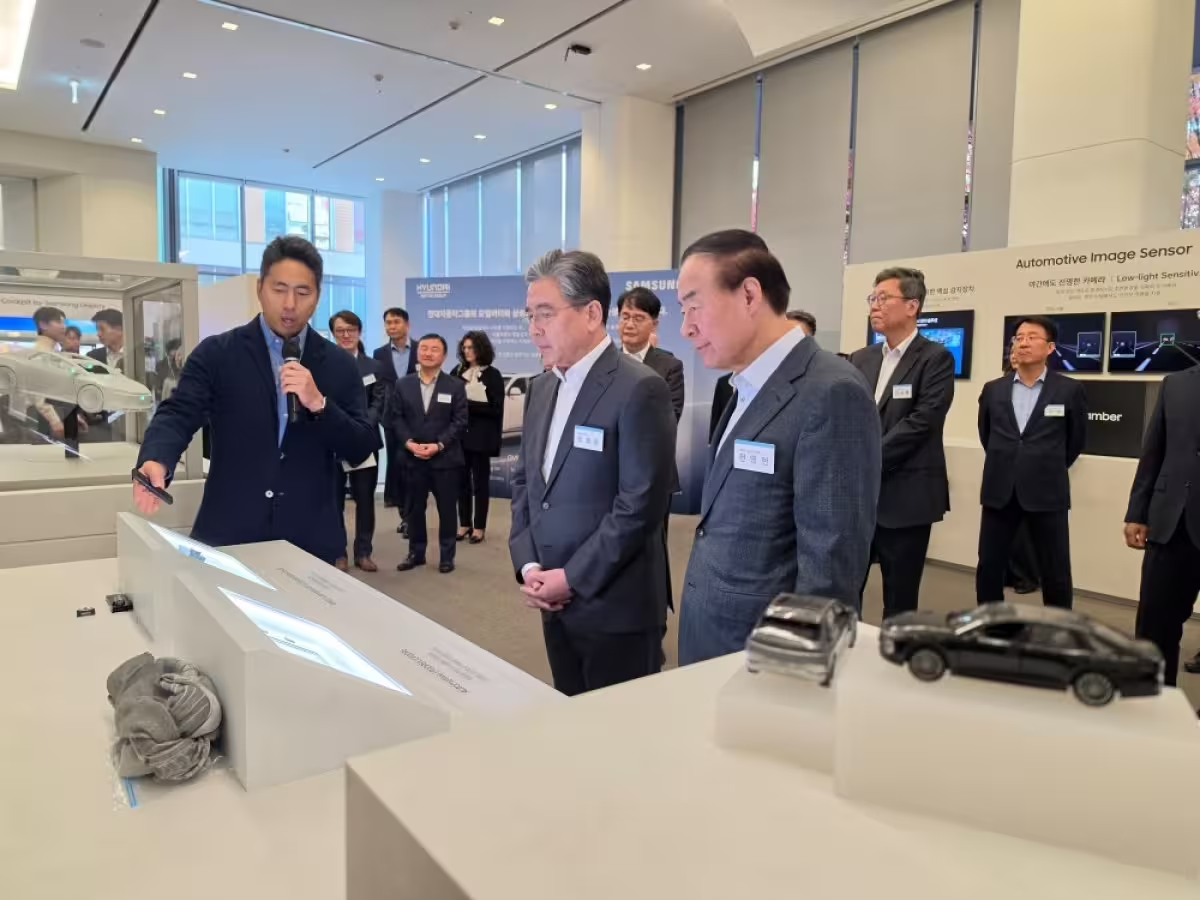
The shift was formalized during HMG Appreciation Day, an event that on paper read like a corporate gala: 177 executives and their spouses watched a 70-minute orchestral performance featuring cellist Han Jae-min. Behind the music, however, the guest list and the conversations made the real development clear. Hyundai sent Vice Chairman Jang Jae-hoon and R&D chief Manfred Harrer, while Samsung was represented by the heads of Samsung SDI, Samsung Display, Harman and its semiconductor foundry division.
Those names matter. Bringing top battery chemists, display engineers, foundry executives and vehicle dynamics experts together points to more than a supply contract. It reflects a deliberate move to combine Samsung's electronics and components portfolio with Hyundai's vehicle architecture and manufacturing scale.
From battery supply to systems integration
The partnership builds on a slow thaw in relations. Samsung and Hyundai historically competed for talent and prestige in South Korea. There were gestures of détente over the years - a 1985 visit by ailing Samsung founder Lee Byung-chul to Hyundai founder Chung Ju-yung with a white porcelain vase, and a quiet meeting between their sons in 2001 - but Hyundai guarded its supply chain, splitting battery orders between LG Energy Solution and SK On, and Samsung briefly tried assembling cars in the late 1990s before that operation was sold to Renault.
Relations accelerated after meetings between third-generation leaders Lee Jae-yong and Chung Eui-sun at the Samsung SDI plant in Cheonan and Hyundai's Namyang R&D centre in 2020. That contact produced a first battery supply contract, and the first batteries from that deal arrived in 2023. At Seocheon the relationship has progressed from components to a wider hardware and software pairing.
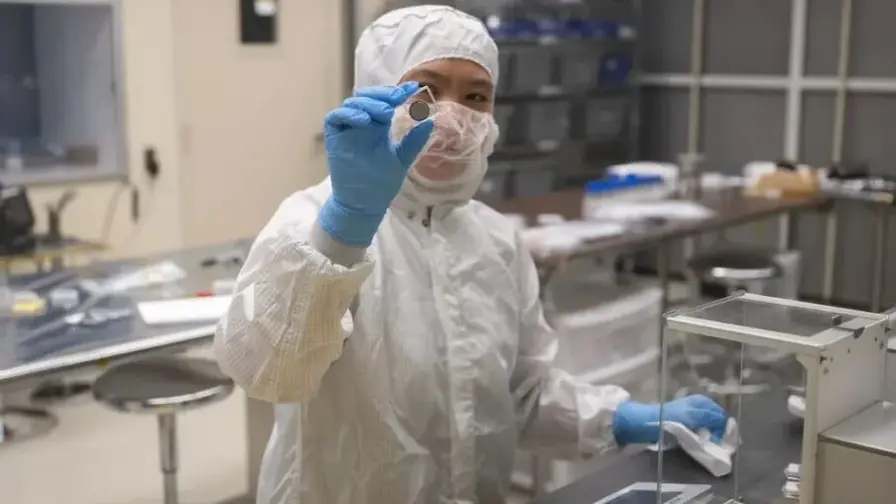
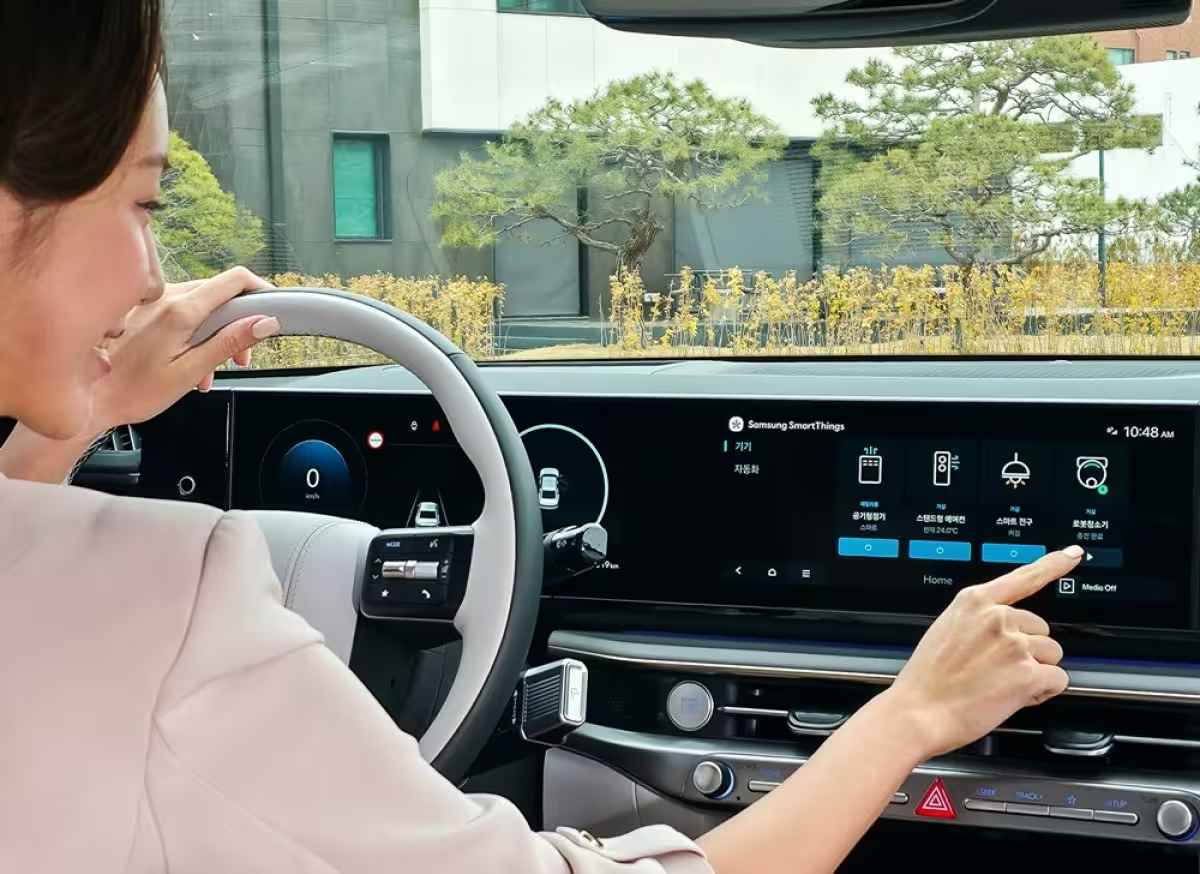
Samsung used the event to show the breadth of what it can offer Hyundai: next-generation automotive semiconductors, central control units, telecommunications control units developed with Harman, and multilayer ceramic capacitors from Samsung Electro-Mechanics to stabilise high-voltage radar and camera signals. With Samsung supplying silicon, OLED screens and the telecommunications backbone, Hyundai can avoid many of the multibillion-dollar software pitfalls that have plagued some Western competitors, a risk often cited in reference to projects such as Volkswagen's Cariad division.
At the Samsung SDI booth in Seocheon, solid-state battery cells were displayed alongside prismatic and cylindrical modules. Manufacturers and suppliers have long promised breakthroughs in solid-state chemistry; while timelines have repeatedly slipped, the appeal of replacing liquid electrolytes remains. Samsung SDI and Hyundai suggested that substituting a solid separator in an 84 kWh pack could cut fire risk and could reduce pack mass by about 150 kg to 200 kg, a change that would affect ride and packaging as well as range.
The executives also discussed "physical AI" and robotics. For Hyundai the capability is concrete: the company owns Boston Dynamics. Combining Hyundai's mechanical actuators with Samsung's foundry chips and vision sensors creates immediate industrial use cases on the factory floor. Automated systems running on Samsung silicon are expected to route wiring harnesses and inspect battery welds in Hyundai assembly plants, a change both companies say could lower manufacturing costs by 15% to 20% over the next product cycle.
For legacy automakers in North America and Europe, the alliance is a reminder that access to top-tier chips, displays and battery chemistry can be decisive. By converting a decades-old domestic rivalry into a vertically integrated supply chain, Hyundai and Kia secure close access to Samsung's component and semiconductor capabilities while keeping important R&D and production close to home.
The partnership at Seocheon is public and ceremonial but built on earlier commercial steps: the 2020 meetings and the battery contract that produced the first batteries in 2023.

“I cover automotive innovation, electric vehicles, and the future of mobility — where technology meets sustainability.”

Discussion
Leave a Comment
Comments (1)
wow, Samsung + Hyundai actually teaming up big time. kinda wild, hope they pull off solid batteries, not vaporware