
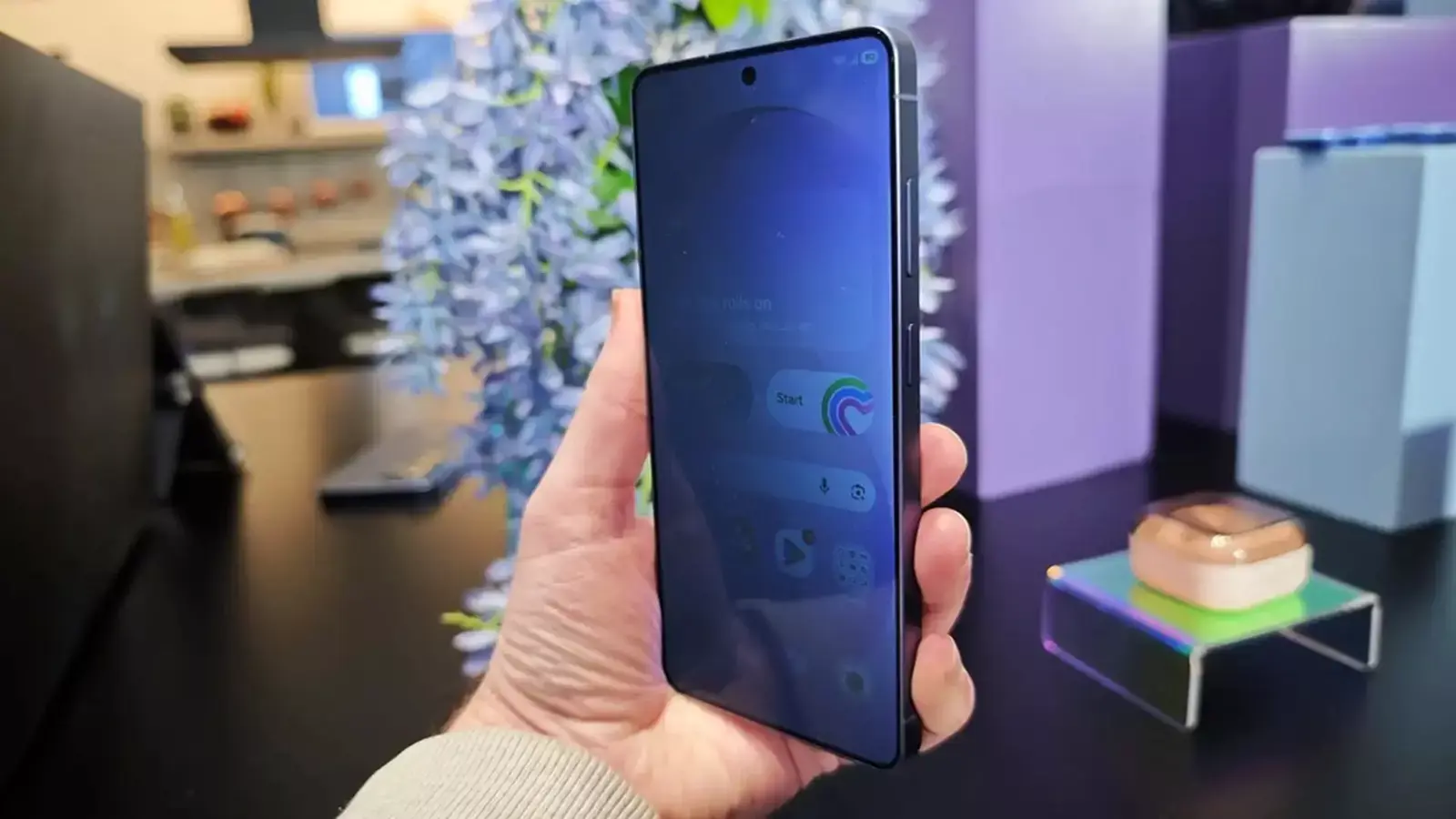
Should your phone hide what you type when someone glances over your shoulder? Samsung answered that last year with a hardware-controlled privacy screen on the Galaxy S26 Ultra. Now Xiaomi looks ready to follow — and the leaked interface gives a clear sense of how it might work.
A short clip, reportedly captured from a global ROM, surfaced online and quickly spread among device hunters. The leak isn’t a blurry rumor. It’s UI footage: menus, toggles, and lists that outline Xiaomi’s approach to what the company calls Smart privacy display.
A practical, app-by-app approach
The leaked screens show that Xiaomi intends to let users build custom groups. Each group can contain different apps. That means you can apply distinct privacy display rules to banking apps, messaging, or account settings. Simple. Precise. Flexible.
There’s also automation. The phone can flip to the privacy display when it detects sensitive actions — password fields, payments, transfers, or composing messages. No manual switch. No fumbling. Just a protective layer that appears exactly when you need it.

Why does that matter? Because privacy screens are more than a party trick. They change how we use our phones in public. You don’t have to hunch, hide, or wait for an empty bench to check a bank notification. The device adapts instead of the user.
The leak mentions features currently limited to China ROMs, like page-level privacy rules and certain AI assistant integrations. But the footage was from a global build, which suggests Xiaomi is preparing a wider rollout. That aligns with earlier rumors about this landing on flagship hardware.
Which phones will get this? Most signs point to the upcoming Xiaomi 18 Pro and 18 Pro Max. Expect them to appear at the company’s likely September event, powered by Qualcomm’s Snapdragon 8 Elite Gen 6 Pro. Reports also indicate Xiaomi will keep its rear display and possibly increase its size, so the privacy capabilities could be part of a broader rethink of how people interact with multi-screen phones.
Is Xiaomi copying Samsung? Not exactly. The underlying idea — a hardware-assisted privacy mode — is similar, but execution differs. Xiaomi’s emphasis seems to be on personalization and app-aware automation rather than a one-size-fits-all toggle. That could appeal to users who want granular control without extra effort.
Leaks don’t equal final products. Interfaces change. Features get trimmed. Still, this one feels close to shipping. The UI polish is there. The flows make sense. And the timing matches the hardware whispers we’ve been hearing for months.
If you’re curious about privacy screens, keep an eye on Xiaomi’s September lineup. Expect a feature that aims to make public phone use less awkward, and possibly more secure.


“I cover emerging technologies, digital innovation, and the intersection of tech and everyday life. My goal is to make complex trends accessible and inspiring.”

Discussion
Leave a Comment
Comments
No comments yet. Be the first.