
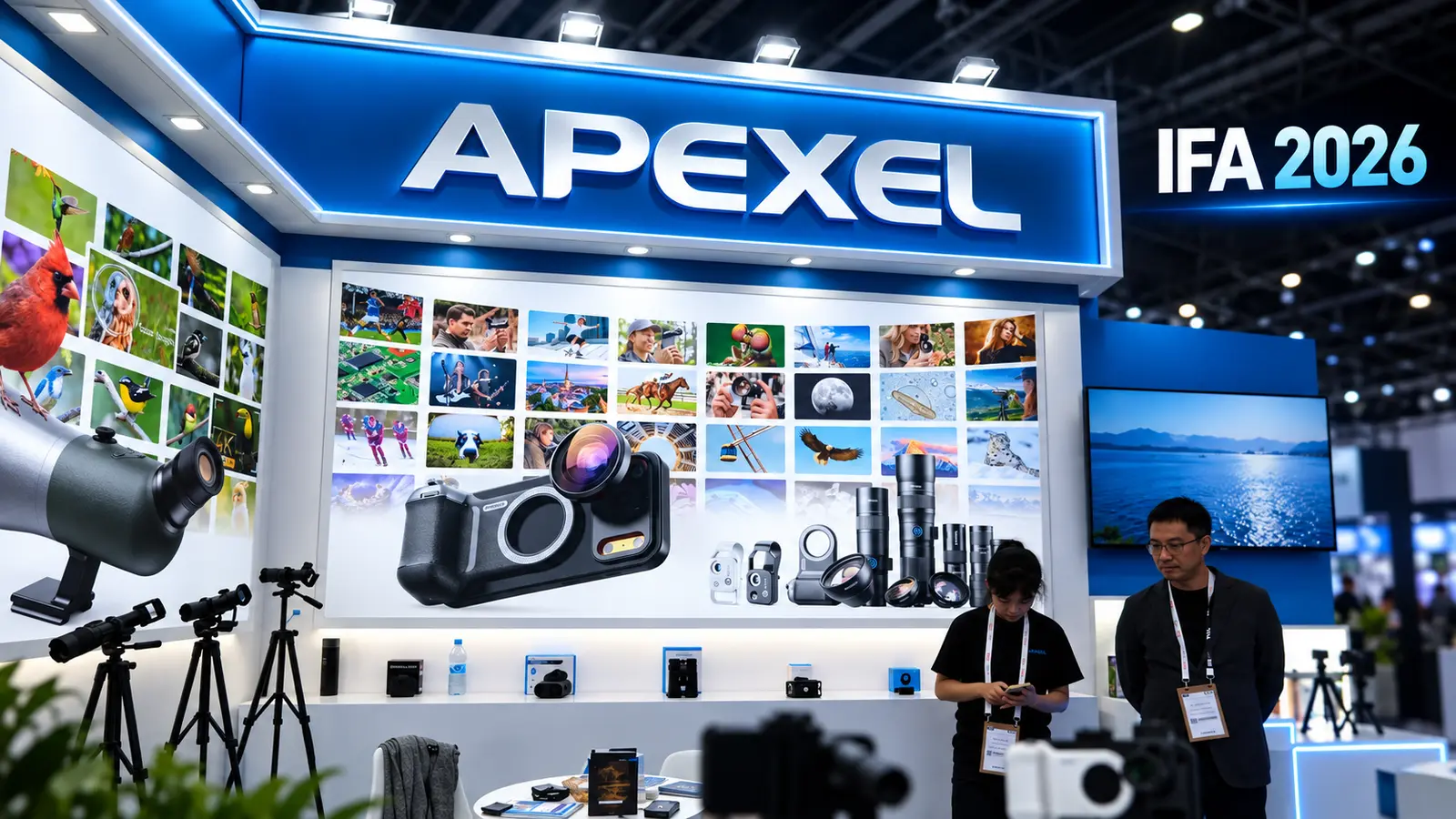
Apexel used IFA 2026 to showcase two sides of its mobile-optics business: traditional high-magnification smartphone telephoto lenses and a newer AI-powered smart optical device designed specifically for birdwatching.
During our booth visit, the company demonstrated how its telephoto lenses attach to a smartphone’s main camera and extend the phone’s reach for subjects such as wildlife, distant landscapes and even the Moon. Apexel also introduced a more advanced smart-optics concept capable of identifying bird species through an integrated display and companion app.
Apexel builds both the brand and the optics
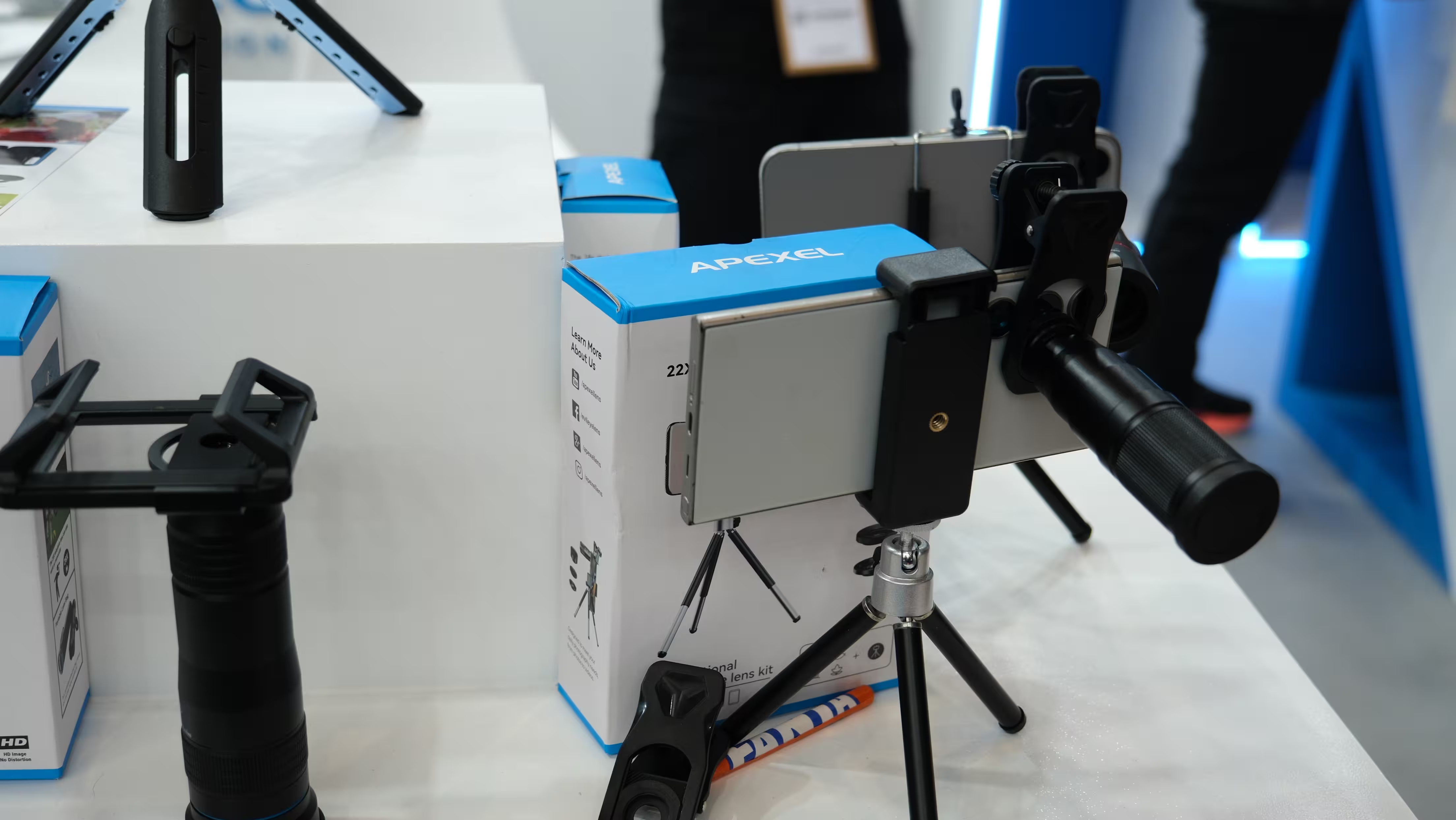
The representative emphasized that Apexel is both the brand owner and the manufacturer behind the products on display.
The company’s wider portfolio includes smartphone telephoto, macro, wide-angle and other clip-on lenses, alongside outdoor optics such as binoculars and telescopes. Apexel also offers OEM and ODM optical manufacturing services.
At IFA, however, the focus was clearly on long-distance mobile photography.
A 30X telephoto lens for smartphones
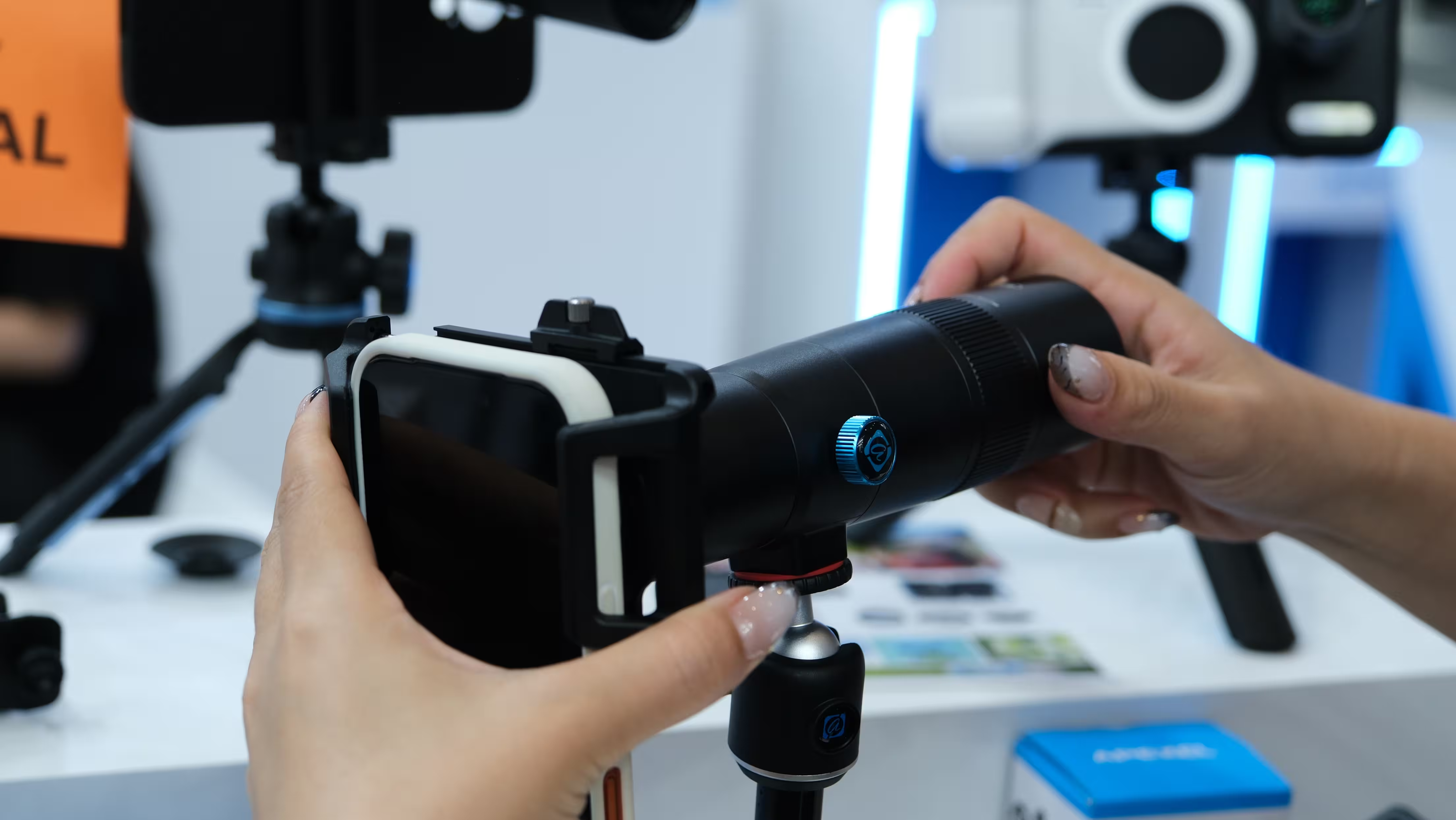
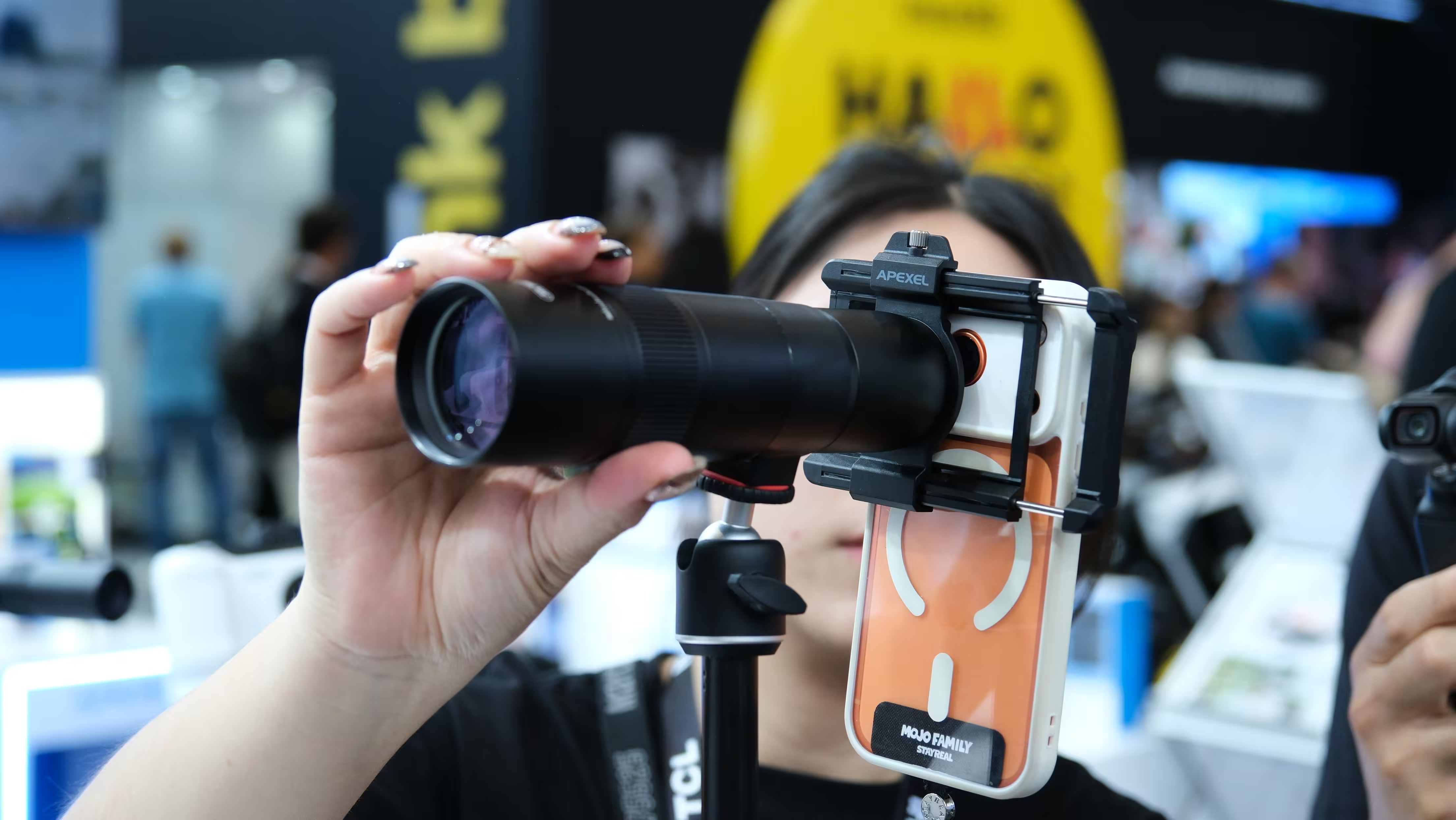
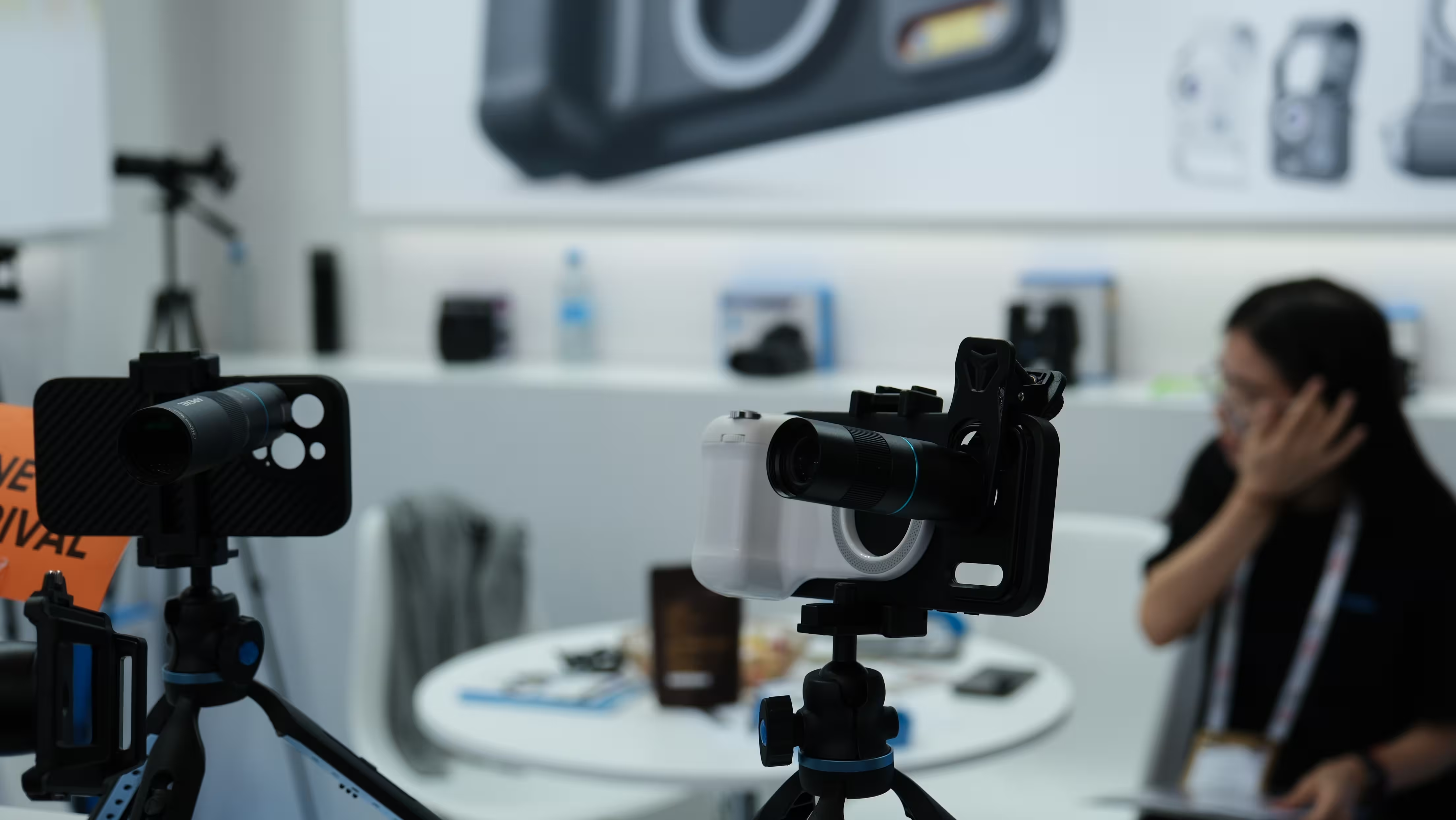
The first product demonstrated to us was a 30X telephoto lens designed to work with a smartphone’s main rear camera.
Installation involves aligning a mounting clip with the phone’s main camera, fixing the attachment in place and then screwing the telephoto lens onto the mount.
Once connected, the optical system provides substantial magnification before the phone’s own digital zoom is applied.
According to the Apexel representative, the lens itself provides 30X magnification, while users can then zoom further through the smartphone camera interface.
During the demonstration, the representative described this combined setup as reaching around 60X when additional phone zoom is used.
It is important to distinguish those two figures: the 30X figure refers to the optical accessory presented at the booth, while the higher figure involves additional magnification from the smartphone.
Tripod support becomes important at high magnification
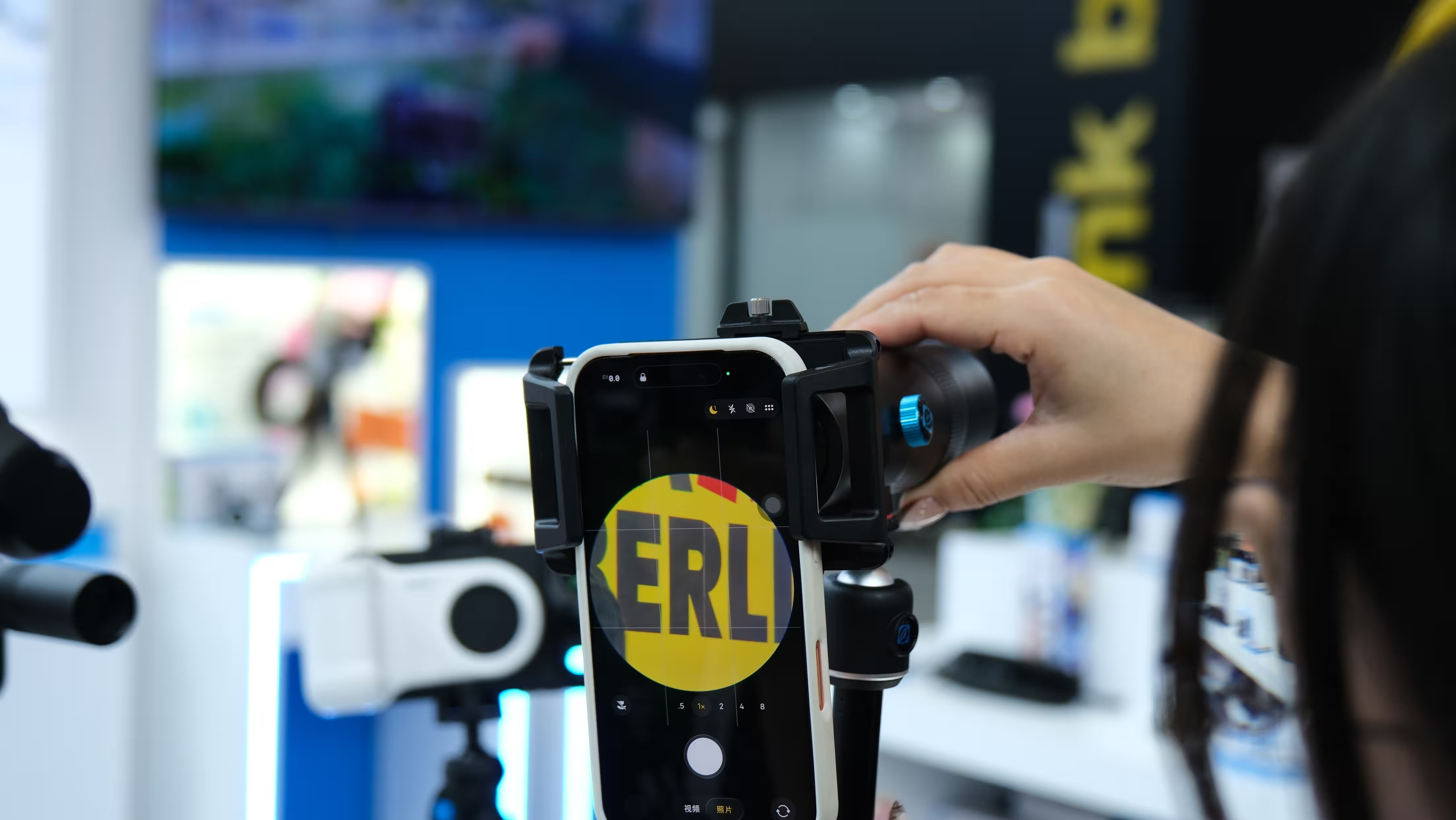
The kit shown to us also included a tripod.
At these focal lengths, even tiny hand movements become highly visible, so stabilization becomes increasingly important for both photos and video.
This is consistent with Apexel’s own guidance for telephoto photography, where the company recommends tripod support because small movements become much more noticeable as magnification increases.
The focus can also be adjusted directly on the lens.
Wildlife and Moon photography are obvious use cases
Apexel positioned the lens primarily for subjects that are difficult to approach physically.
The representative specifically highlighted wildlife photography and observing or photographing the Moon.
Those applications fit naturally with the company’s broader telephoto range. Apexel already markets long smartphone lenses for activities including wildlife observation, birdwatching, travel and Moon viewing.
The system works for both still photography and video.
The more interesting product is Apexel’s AI smart optics
The more unusual demonstration came afterward.
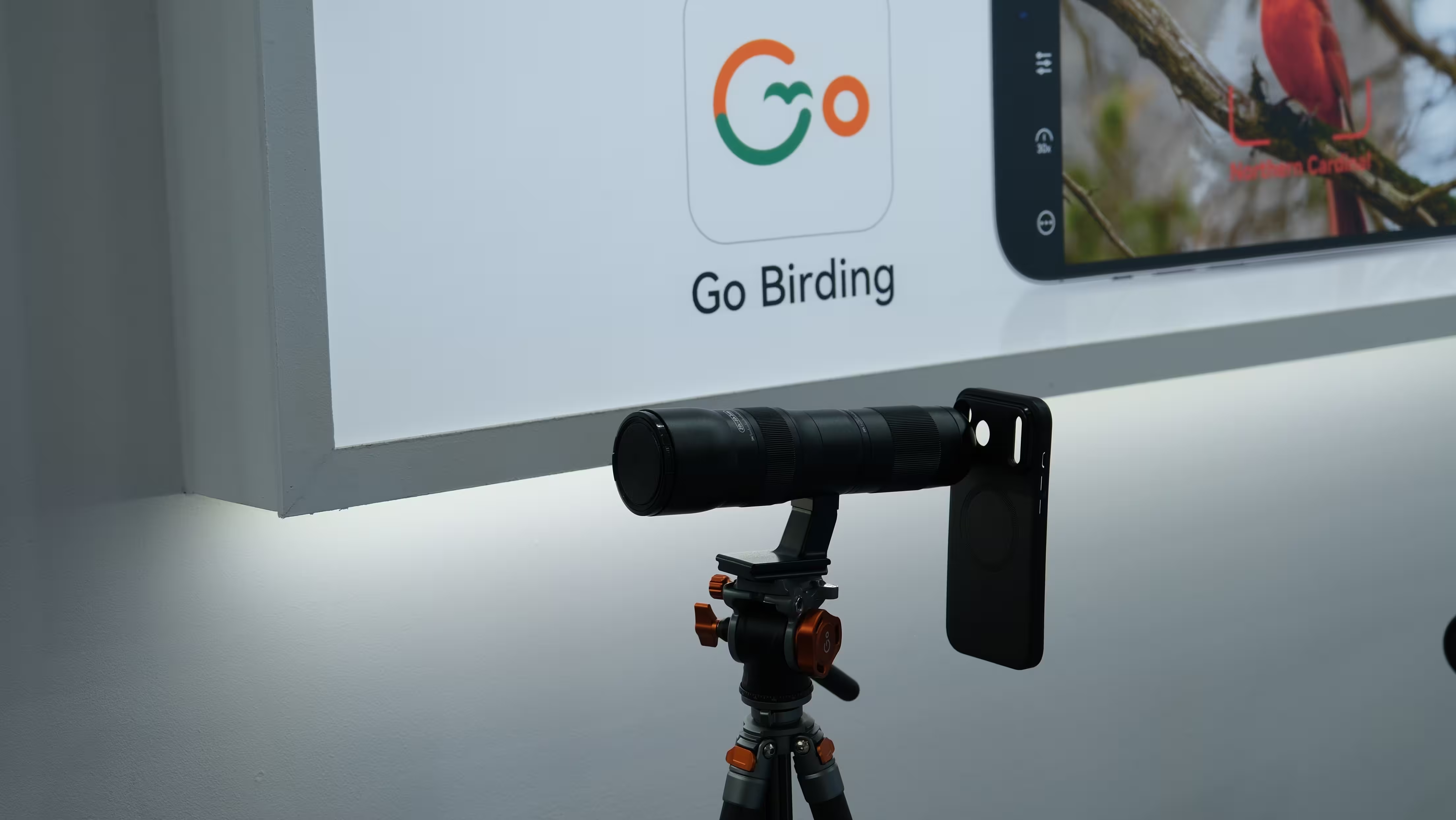
Apexel showed what the representative described as a new AI-powered smart optical device aimed particularly at birdwatchers.
Unlike a conventional telescope or smartphone lens, this product includes an integrated screen and onboard identification capability.
When a bird appears in view, the system can analyze it and display information about the species directly on the device.
This moves Apexel beyond simple magnification and into computer-assisted wildlife observation.
Bird recognition is built around a companion app and community
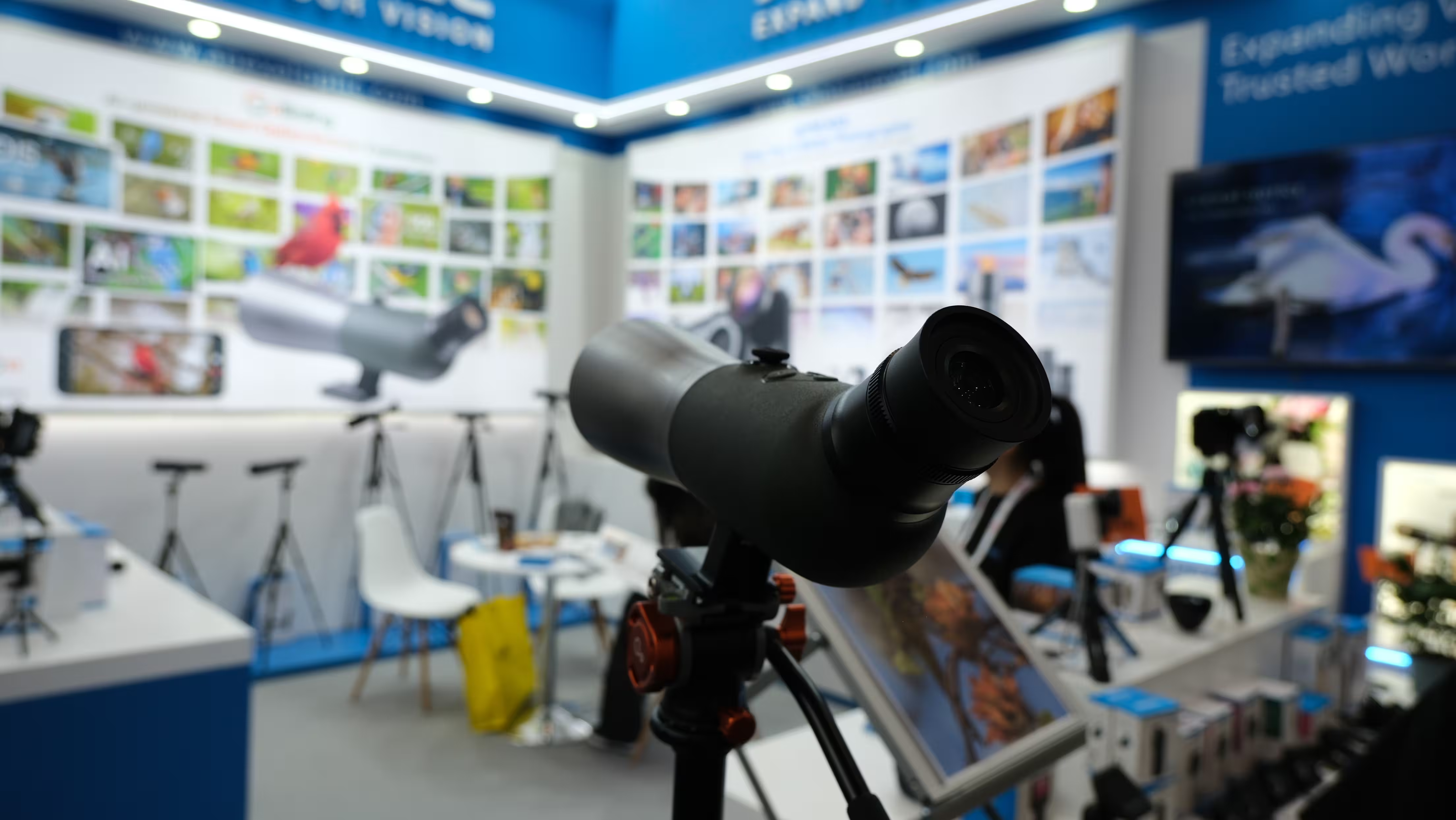
The representative said the system works alongside an Apexel app referred to during the demonstration as GoBirding.
According to the booth presentation, the platform can recognize more than 10,000 bird species worldwide.
Users can also capture photos and videos and share the results with a birdwatching community through the app.
Because the exact product name and full specification sheet were not provided during our demonstration, we are deliberately keeping those AI-recognition figures attributed to Apexel’s IFA presentation rather than extending them with unverified technical details.
From smartphone accessories to intelligent optics
What made Apexel’s IFA 2026 presentation interesting was the contrast between the two product categories.
The 30X smartphone telephoto lens represents the company’s more familiar business: extending the physical capabilities of a phone camera through external optics.
The AI smart-optics device, however, points toward a different future.
Instead of simply helping users see something far away, the system attempts to understand what they are looking at and identify it automatically.
For birdwatchers in particular, that combination of magnification, photography, species recognition and community sharing could make the experience significantly more interactive.
At IFA 2026, Apexel showed that its next step may be less about adding even more magnification and more about making optics smarter.

“Some times I write about breakthrough startups, digital ecosystems, and how innovation is changing the way we build businesses.”

Discussion
Leave a Comment
Comments (2)
10k species claim sounds bold. but how accurate is it in the field? offline support, updates, battery life? i need a hands-on demo, not just promo
wow didnt expect Apexel to go full AI with optics! 30X lens seems sweet but 60X with phone zoom? shaky hands lol. Tripod a must, curious about real world sharpness…