
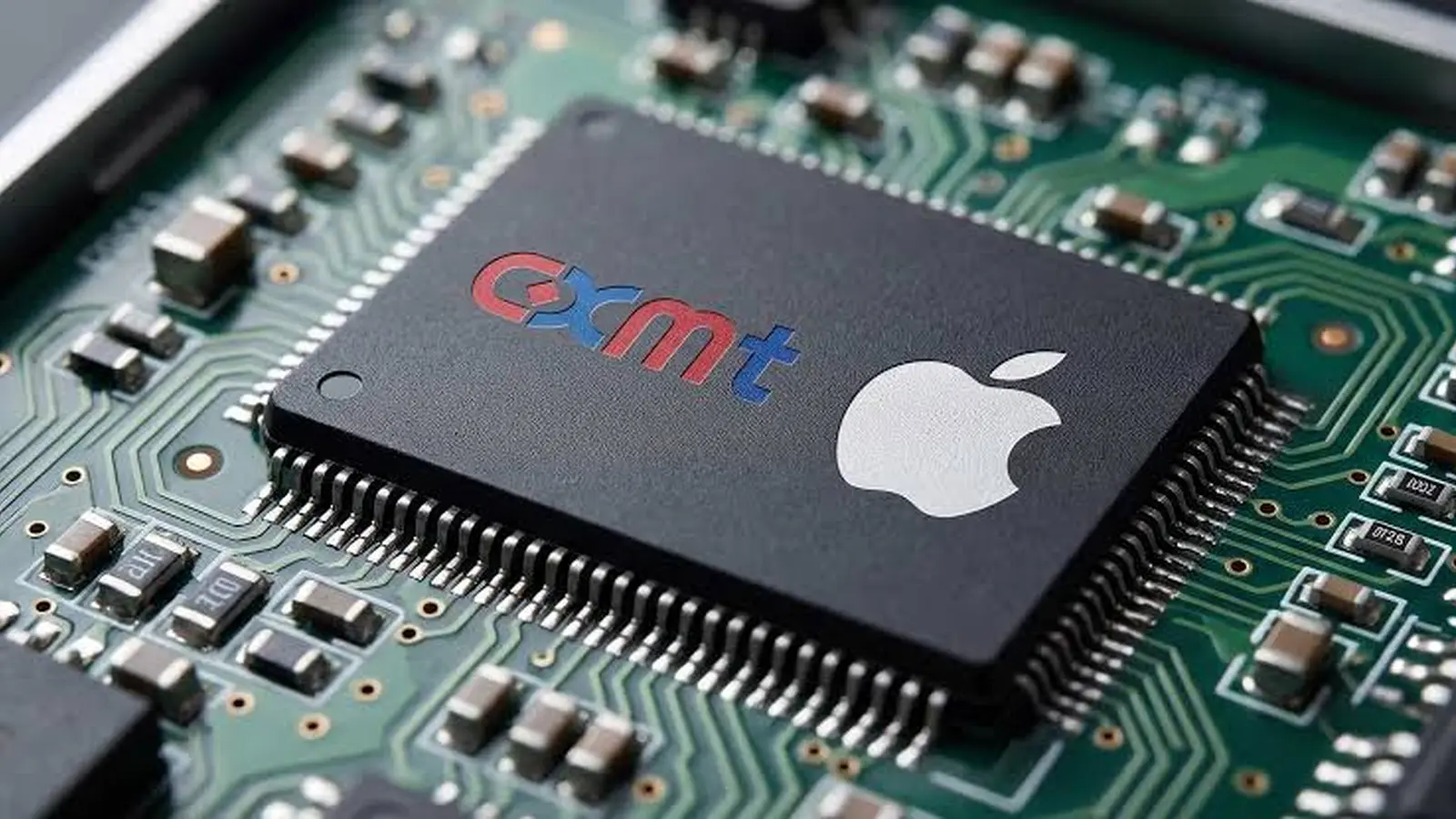
Days before the iPhone 18 unveiling, Apple found itself chasing something most consumers never notice: DRAM. Stocks were tight. Timelines were tight. Panic, if not public, was real behind the supply-chain doors.
When procurement runs into geopolitics
Apple reportedly reached out to CXMT, a Chinese memory maker, to fill immediate DRAM gaps. There was a catch. CXMT is on a US blacklist, which means Apple first needed explicit government permission to strike a deal. Bureaucracy before buying. Paperwork before production.
Then came the negotiating table. Apple asked for a discount. CXMT declined. Not out of spite, but strategy. The company quoted the same rates it charges major clients like Xiaomi and Huawei—rates aligned with global suppliers such as Micron, SK Hynix and Samsung. Why give Apple a break when long-term contracts and existing relationships already underpin pricing?

That stance flips the usual narrative. Apple is the buyer with clout, yet here the seller holds leverage. CXMT has capacity and agreed commitments. Apple has a looming launch and a need for volume. Who blinks first?
There’s another layer to this story: risk and reward. For CXMT, matching market prices protects margins and signals parity with industry leaders. For Apple, paying more is an ugly but feasible solution—if permission arrives in time. If not, the company must keep hunting for chips elsewhere, or scramble inventory plans for the iPhone 18 lineup, including the rumored folding model.
This is supply chain friction meeting geopolitically charged commerce: approval from regulators, then acceptance of the market price.
Whether Apple accepts CXMT’s terms or goes back to its usual suppliers, the episode underlines how hardware launches now hinge on diplomatic clearances and shrewd bargaining, not just design and software. In the months ahead, expect supply decisions to be as much about policy as they are about price.


“I cover emerging technologies, digital innovation, and the intersection of tech and everyday life. My goal is to make complex trends accessible and inspiring.”

Discussion
Leave a Comment
Comments
No comments yet. Be the first.