
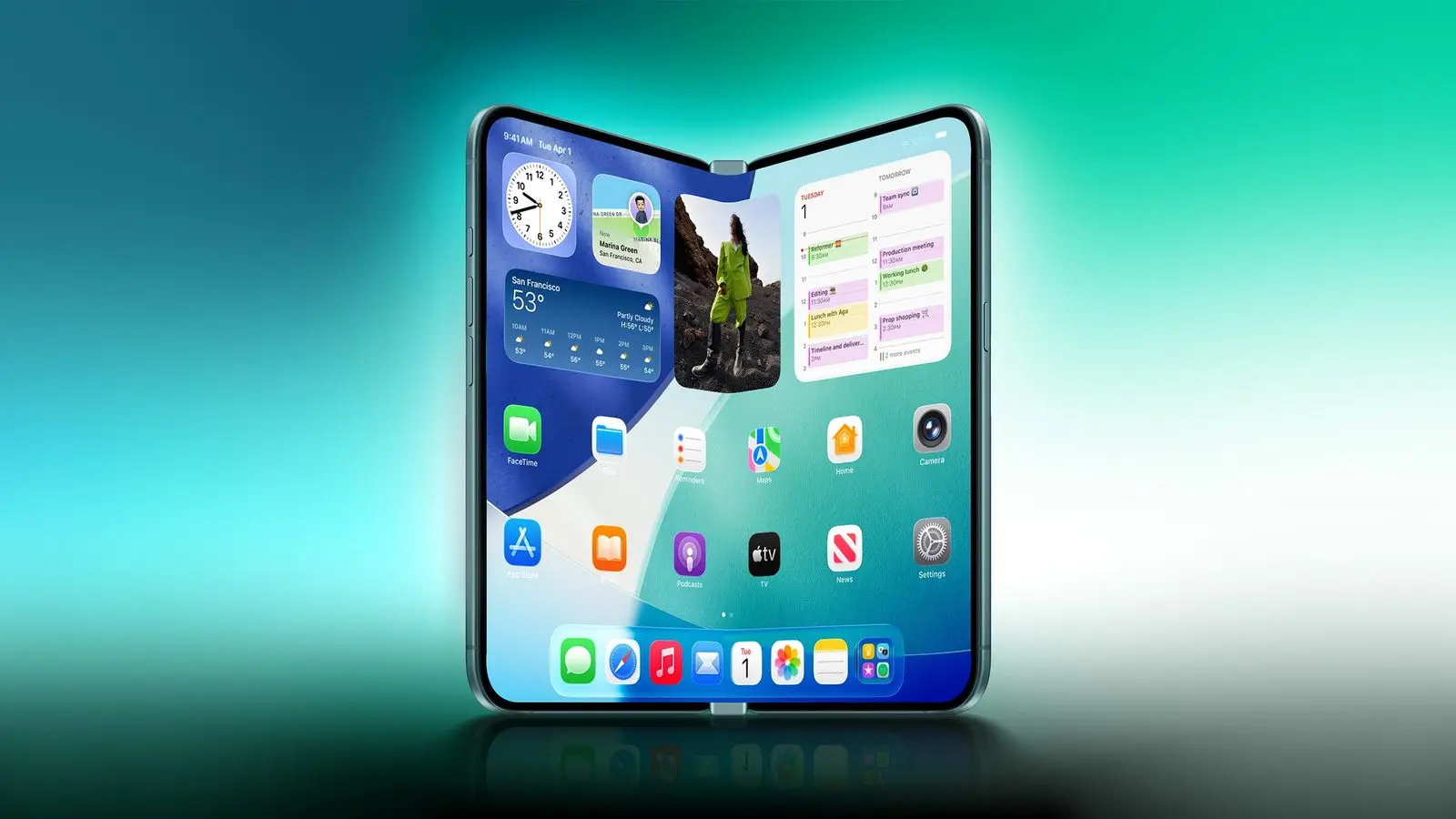
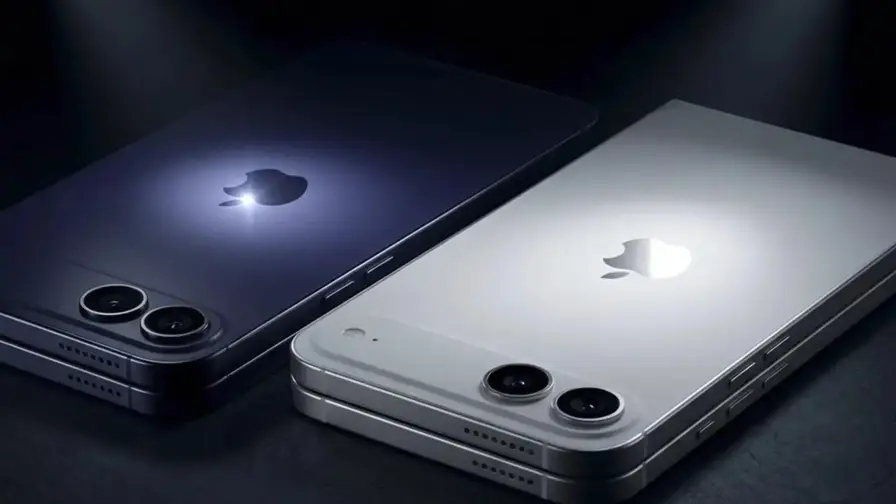
Imagine pulling a phone from your pocket that feels like a compact handset and, with a smooth snap, opens into a tablet-sized workspace. That image may land in stores sooner than you think. Apple is reportedly set to unveil its first foldable this September, commonly whispered about as the iPhone Ultra, with a 5.5-inch outer display and a 7.8-inch inner screen.
Why the next iterations matter
Bloomberg's Mark Gurman wrote in his Power On newsletter that Apple isn't stopping at one model. The company is said to be developing a second-generation foldable for 2027 and already sketching plans for a third-generation device that will lean into larger cover and internal displays. The second model, according to earlier tips, could keep the same basic design as the pioneer. The third will push the envelope.
Why would Apple do this? Simple: refinement. First attempts solve engineering puzzles. Later versions polish the user experience. Bigger cover screens make a folded phone feel less like a compromise and more like a full-featured device you can use without opening it. A larger interior screen expands multitasking, gaming, and media in ways that catch attention.
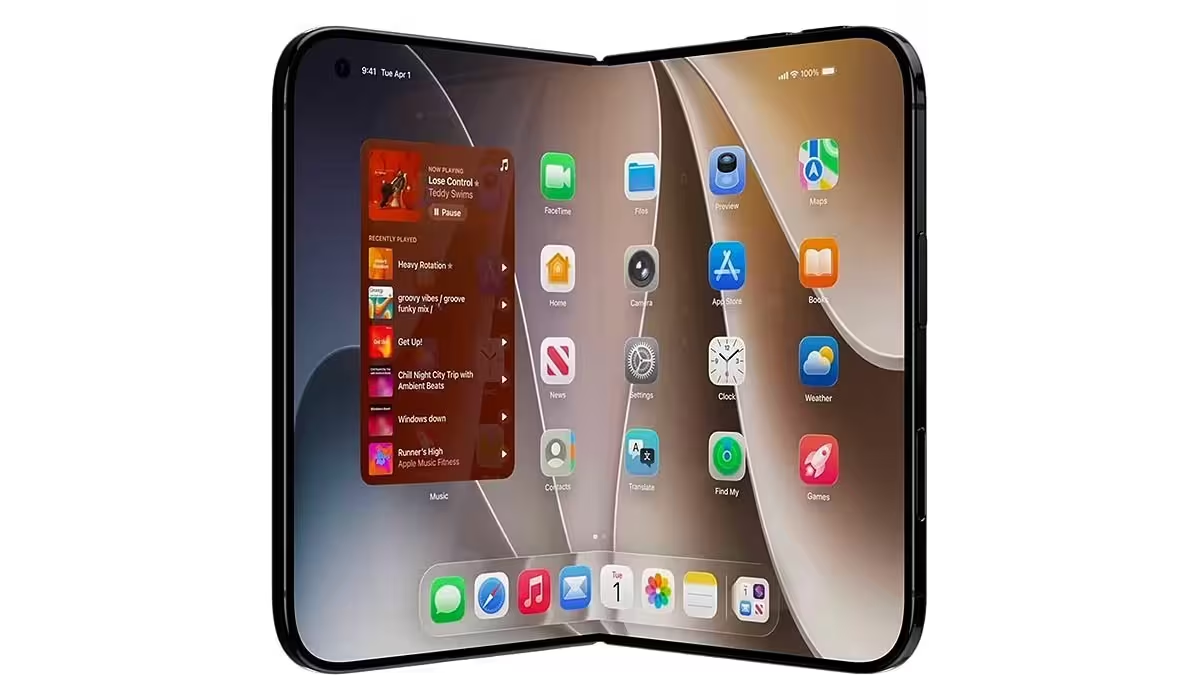
There are risks. Foldables demand tougher hinges, flexible glass that holds up to thousands of cycles, and a software layer that treats dual-screen layouts like native behavior rather than a novelty. Apple has the cash and the supply-chain heft to iterate, but competition from Android makers has already taught us that market momentum favors those who iterate quickly and cheaply.
So what can we expect from these future models? Steadier durability. Smoother hinge feel. Bigger cover displays that let you do more without unfolding. And, probably, software tweaks that make apps behave better across two screen states. It won't be a single leap; it'll be a series of small, practical improvements that add up.
Will customers bite? Many will. Early adopters will buy the first model for novelty and prestige. Mainstream users will wait for that second or third version when the hardware and software feel truly seamless. Apple’s cadence—one model this year, a refined one in 2027, then a larger third-gen—reads like a conservative, consumer-focused strategy rather than a sprint to headline specs.
If these reports are accurate, Apple's foldable journey will be about patient iteration: start stable, then gradually scale the displays to make folding an everyday option.

“I love exploring gadgets, apps, and trends that redefine how we connect, work, and play in a digital world.”

Discussion
Leave a Comment
Comments
No comments yet. Be the first.