
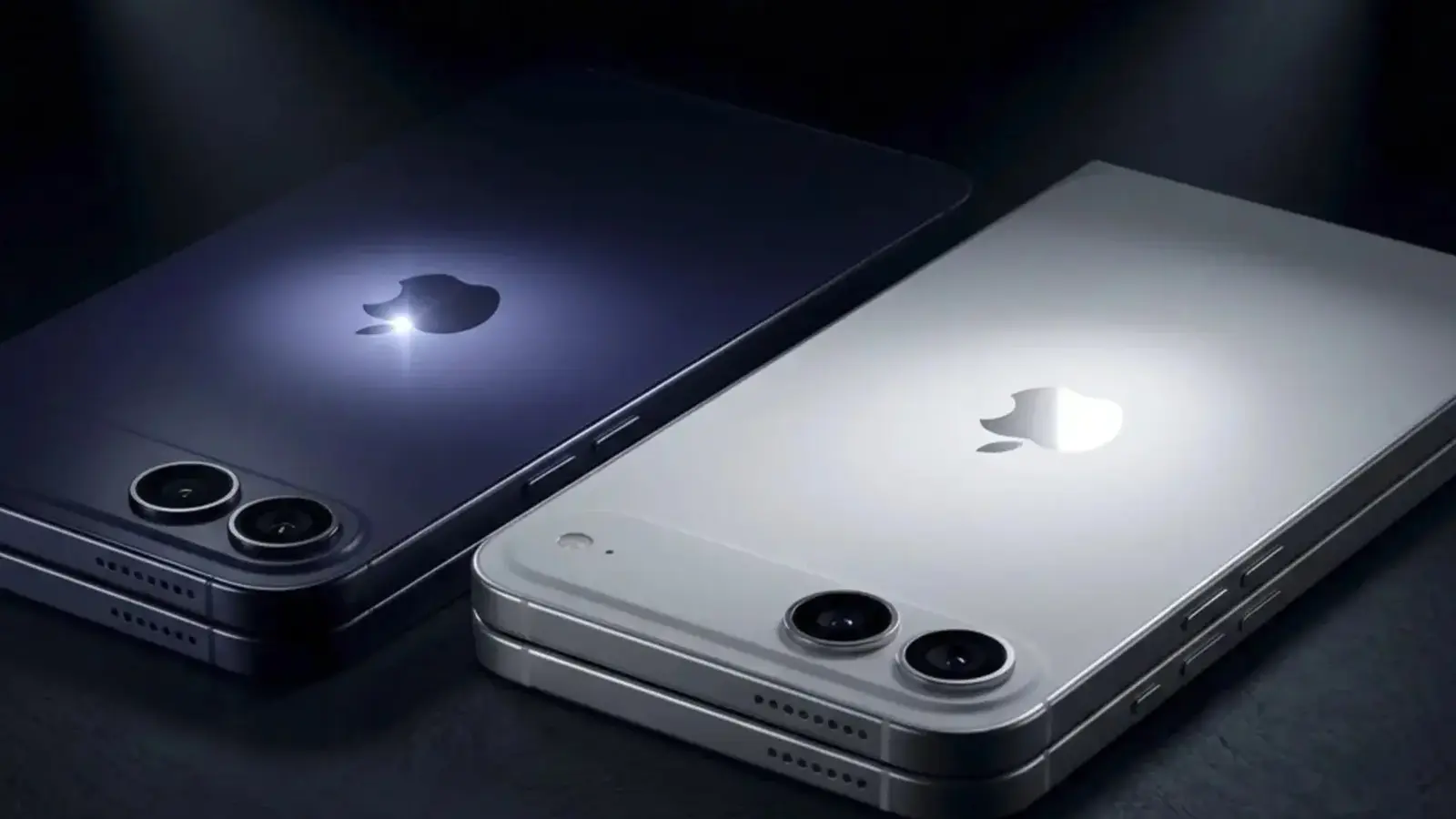
Picture this: you unfold a phone and the screen feels less like a compromise and more like a promise. That’s the image floating around the latest reports about Apple’s foldable roadmap—ambitious, quietly determined, and reaching at least two generations beyond the launch model.
Moving past a one-shot debut
Mark Gurman of Bloomberg dropped the details in his newsletter, and they read less like rumor and more like a project timeline. Apple isn’t treating the first foldable iPhone as a one-off experiment. The company reportedly has plans mapped out for a second generation arriving in 2027 and a third that could land in 2028. Each step looks built to refine the concept rather than merely repeat it.
The intriguing claim about the third generation: both the inner and outer displays will be slightly larger than on earlier models. That’s not fireworks. It’s deliberate. A slightly bigger canvas can change how apps behave and how people actually use a foldable day to day. Details on exact panel sizes are still missing, but the intent is clear—Apple wants more usable surface area without turning the device into a tablet masquerading as a phone.
The debut device itself is still said to be substantial: an internal 7.8-inch panel with a 5.5-inch external screen. Slim packaging. Touch ID rather than Face ID. An A20 chip and a C2 modem under the hood. And a name that signals premium pedigree—iPhone Ultra. Price? Around €1,850.
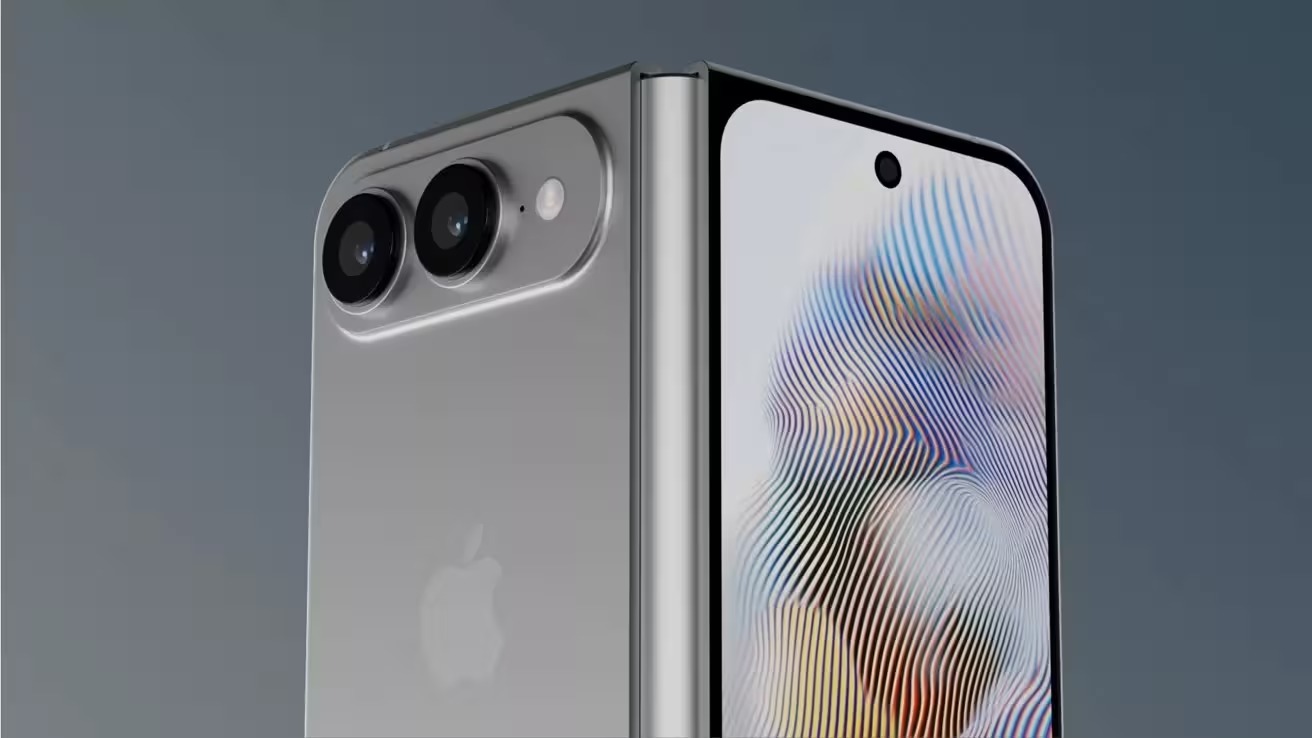
Why does Apple plan two future iterations already? Because foldables aren’t a single design problem. They are a sequence of engineering, software, and user-experience challenges. Hinges wear. Displays need calibration. Software must learn to scale and adapt. Planning multiple generations up front lets Apple stage improvements and avoid a costly pivot later.
Think of it as choreography. One step leads to the next. One hinge redesign makes room for a slightly thicker battery or a tougher screen. A larger outer display nudges app developers to rethink glanceable interactions. The gains won’t always be dramatic, but together they form a different product category than what ships the first year.
There are risks, of course. Pricing near €1,850 limits early adoption to enthusiasts and professionals. Manufacturing yields for foldable panels are still imperfect. And shifting from Face ID to Touch ID raises questions about how Apple balances familiarity with innovation.
Still, the very fact that Apple is sketching a multi-year strategy suggests confidence. If the company can deliver a first foldable that’s thin and enduring, then incremental improvements in 2027 and 2028 could turn a niche novelty into a mainstream option.
So what should you watch for next? Screen durability reports, hinge longevity tests, and early developer support for split-screen or adaptive interfaces. Those signals will tell a clearer story than any price tag or spec sheet.
Is Apple about to make the foldable iPhone not just a headline, but a daily companion? Time will tell. For now, the blueprint points toward steady, thoughtful evolution rather than a single dramatic leap.


“I cover emerging technologies, digital innovation, and the intersection of tech and everyday life. My goal is to make complex trends accessible and inspiring.”

Discussion
Leave a Comment
Comments (2)
Looks thoughtful, but €1,850 kills mass appeal. If hinges and softwre dont impress, it's just a pricey toy. we'll see.
Wait, are these leaks realy? Apple planning 3 generations already sounds bold, but yields and price... really? Touch ID over Face ID?? 🤔