

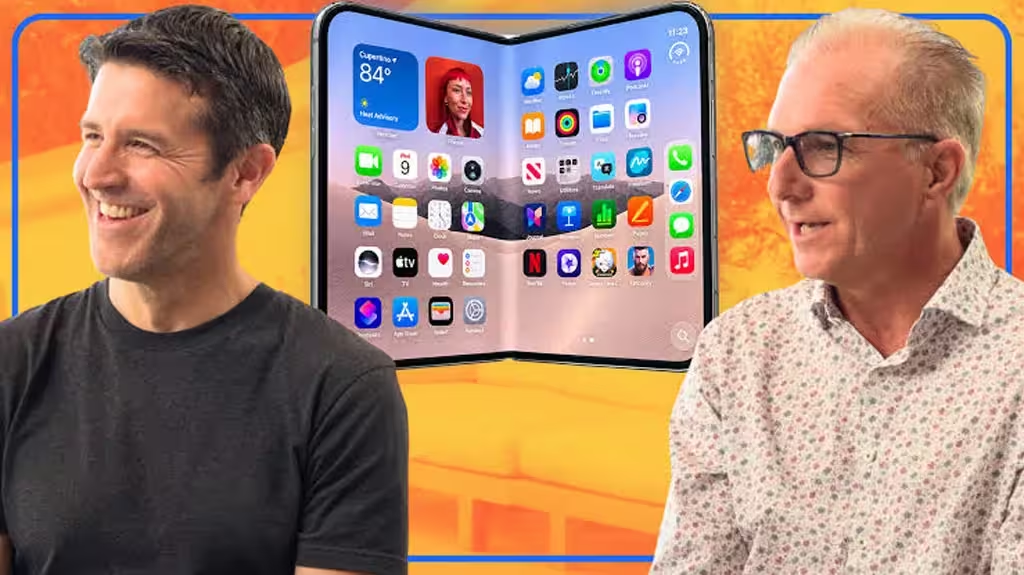
Imagine holding a device that feels both familiar and new, a handset that folds without drama and closes like it belongs in your pocket. That was the goal, according to Apple’s new CEO John Ternus, when the company finally decided the moment had come to enter the foldable phone arena.
Ternus and his senior vice president Greg Joswiak spoke with Tom's Guide and TechRadar about the iPhone Duo, and their message was simple: timing mattered more than trend-chasing. Apple did not rush because it wanted the hardware, the hinge, the software and the design to sing together. They tested many iterations until they could deliver a product that felt right.
Design that earns your trust
What sets the iPhone Duo apart is not a single flashy spec. It is the sum of a dozen small decisions. The device uses a variable-torque hinge, engineered to feel precise at every angle. A magnet helps keep the screen closed. The frame is titanium for long-term durability, and Apple says the internal skeleton uses a ceramic fiber claimed to be three times stronger than grade 5 titanium. Those are not marketing soundbites. They are answers to a basic question: will this thing survive daily life?
Touch ID lives in a side button now. The software has been retooled so two app windows can run side by side without feeling like a compromise. In short: Apple aimed for an experience that behaves like an iPhone, not a clumsy experiment.
Joswiak was blunt about the competition. He said many foldables from other brands haven't impressed Apple, and that some feel like cheap plastic. Ternus echoed that. Feeling matters. Smoothness matters. The company didn’t want to ship something that felt flimsy.
When asked about becoming CEO, Ternus laughed with something close to awe. It was, he said, an incredible feeling. He called Apple part of his life—half of it, in fact—and spoke warmly about the people he works with and the products they build together. There was pride. There was urgency. There was readiness.
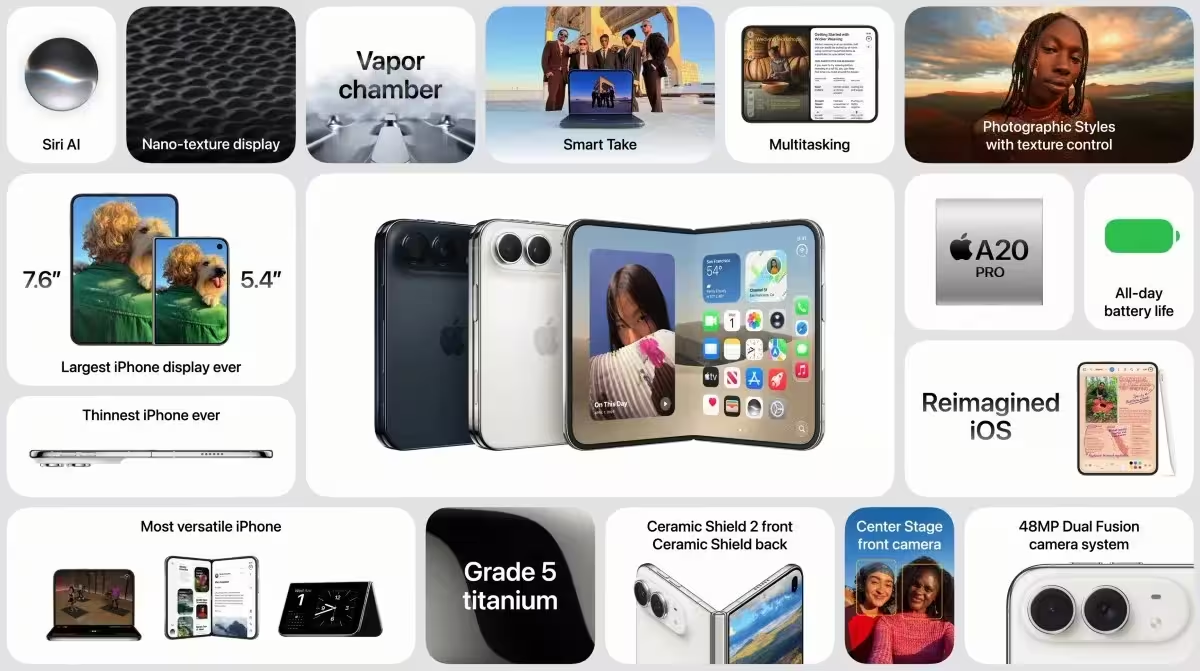
The iPhone Duo also pushes screen real estate. Its Super Retina XDR inner panel is 7.6 inches, which Apple says offers roughly 80 percent more area than the iPhone 18 Pro. That’s a significant jump for users who want a tablet-like canvas in a phone-sized package. IP68 certification and a claimed durability edge over some Samsung foldables round out the robustness story.
Apple waited until engineering, materials and software aligned before launching its foldable.
Will critics accept the delay as wisdom or as caution? Time will tell. For now, Apple’s entry reads like a carefully staged debut rather than a reactionary sprint to follow a trend. The company bet its reputation on getting the tactile and technical details right—so the first foldable iPhone feels like an iPhone first, and an innovation second.

“I cover emerging technologies, digital innovation, and the intersection of tech and everyday life. My goal is to make complex trends accessible and inspiring.”

Discussion
Leave a Comment
Comments (2)
Nice they focused on feel and build, but 80% more screen area = battery toll? Hope they didn't skimp on battery life. curious..
Is this even true? Waiting years for a 'perfect' hinge sounds like marketing, not engineering. Ceramic fiber 3x stronger? show me tests.