
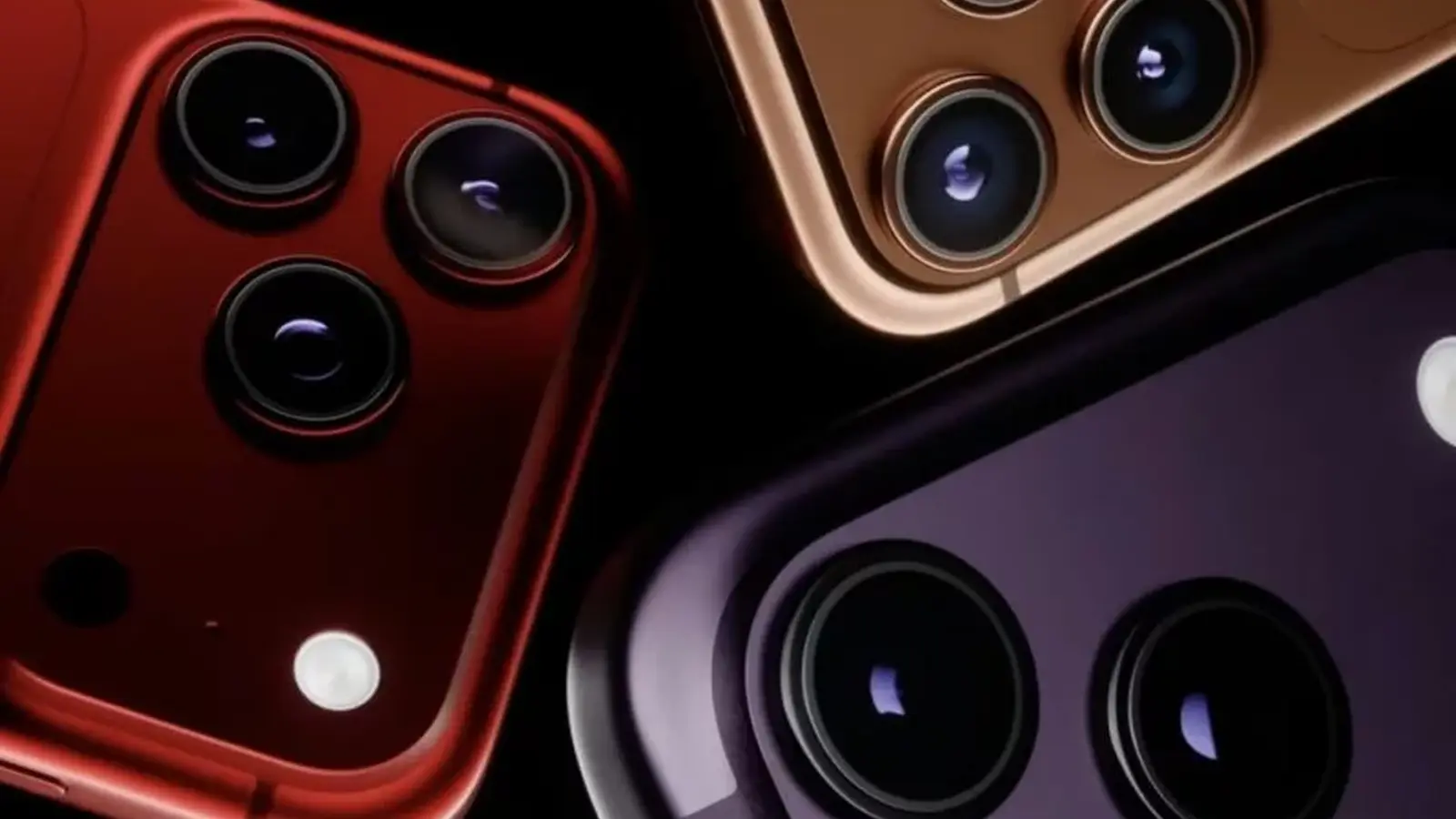
A sudden spill of files on the dark web turned engineers' blueprints into tabloid fodder overnight. Videos, drop tests and detailed schematics didn’t just hint at what’s next for Apple's flagship; they laid out the machine, layer by layer.
Reports link the breach to a cyberattack on Tata Electronics, and the haul is extensive: mainboard schematics, a full bill of materials, and internal layer maps for both iPhone 18 Pro and 18 Pro Max. Among the most consequential documents are technical briefs for Apple’s next system-on-chip, the A20 Pro, codenamed Borneo. The files sketch a faster CPU core, an upgraded image signal processor and beefed-up display security—features that sound like incremental upgrades until you see how they fit together on the board.

Clues you can actually read
The leak also confirms what industry whispers have long suggested about Apple’s modem strategy. Documents for the C2 modem, codenamed Ganymede, indicate Apple will deploy its own 5G modem in iPhone 18 Pro models instead of relying on Qualcomm. That’s a major strategic shift with ripple effects across suppliers and carriers. Buried in the repository is a terse reference to a device labeled V68, which appears to be an early foldable iPhone prototype—a hint, not a promise, but one worth watching.

Physical images from internal radiography and teardown shots reveal tangible changes. The infrared transmitter used for Face ID has been moved off the camera module to the upper-left area of the device. The result is a noticeably smaller notch, the Dynamic Island reduced in footprint. Thermal management has been improved too: the vapor chamber pictured is larger than the previous generation, suggesting higher sustained performance or better heat dissipation under load.
Apple’s secrecy playbook shows up in the files too. Engineers ship test units in decoy boxes that display a fake iPhone artwork—sometimes resembling an iPad Pro camera module—and omit branding, a simple but effective ruse to keep prototypes anonymous during development.
Then came the cleanup. Apple launched an aggressive legal response, filing sweeping takedown requests under DMCA to scrub leaked videos and images from social platforms. Clips that showed the silver iPhone 18 Pro falling from heights vanished from X within hours, and accounts that shared them faced suspensions or content removal notices. One suspended handle carried the @EVLeaks label, though platform operators say it may not have been linked to the well-known leaker Evan Blass.

This purge hasn’t been limited to western platforms. Chinese social networks, including Weibo, showed signs of coordinated removals, and local influencers confirmed that screenshots and posts were being erased. The reason for the heavy-handed defense is straightforward: these aren’t wild guesses or second-hand rumors. They are allegedly stolen engineering assets taken from a commercial partner and published wholesale—trade secrets, not teasers.
What does this mean for Apple and the industry? For Apple, it’s a reputational and commercial emergency. For the supply chain, it’s a reminder that one compromised partner can expose a company to global leaks and costly legal cascades. For consumers, the leak accelerates the rumor mill but also gives a clearer picture of the hardware changes likely arriving in the next iPhone generation.
If these files are authentic, the breach represents stolen intellectual property, and Apple is treating it as such.

“I cover emerging technologies, digital innovation, and the intersection of tech and everyday life. My goal is to make complex trends accessible and inspiring.”

Discussion
Leave a Comment
Comments (2)
is this even true? sounds legit but could be staged or partial misinfo. C2 modem claim is huge if real, i'm skeptical tho.
wow, whole motherboard pics leaked? insane. Apple freaking out makes sense but the foldable V68 tease… if real, game changer. messy.