Read MoreNora Schmidt2026-02-20Almost Everyone Over 40 Has Shoulder AbnormalitiesA Finnish MRI study found rotator cuff abnormalities in nearly all adults over 40, even without pain. Experts urge cautious use of MRI and favor conservative care before surgery.
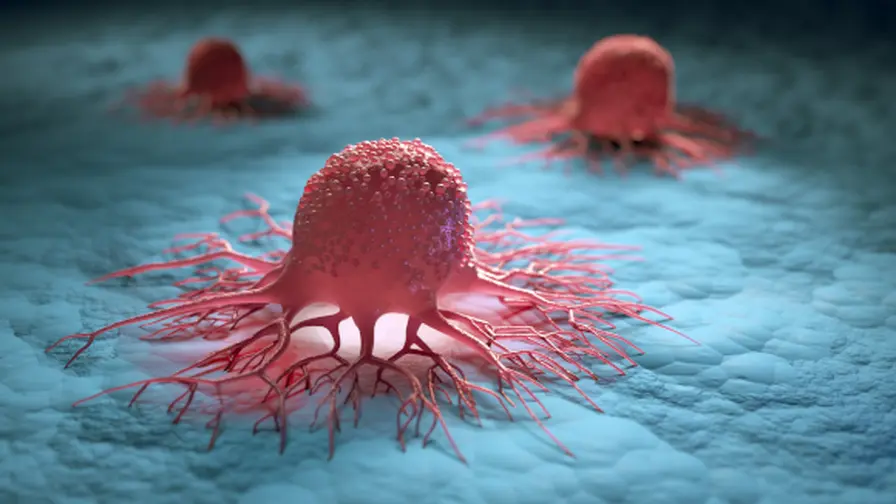
Read MoreOliver Hayes2026-02-192Heart Drug Dronedarone Reveals New Lymphoma WeaknessVCU researchers discovered that dronedarone, an antiarrhythmic drug, targets USP11's non-catalytic UBL domain to selectively impair lymphoma cells. Preclinical tests show tumor suppression with minimal toxicity, suggesting a promising drug-repurposing path for precision oncology.
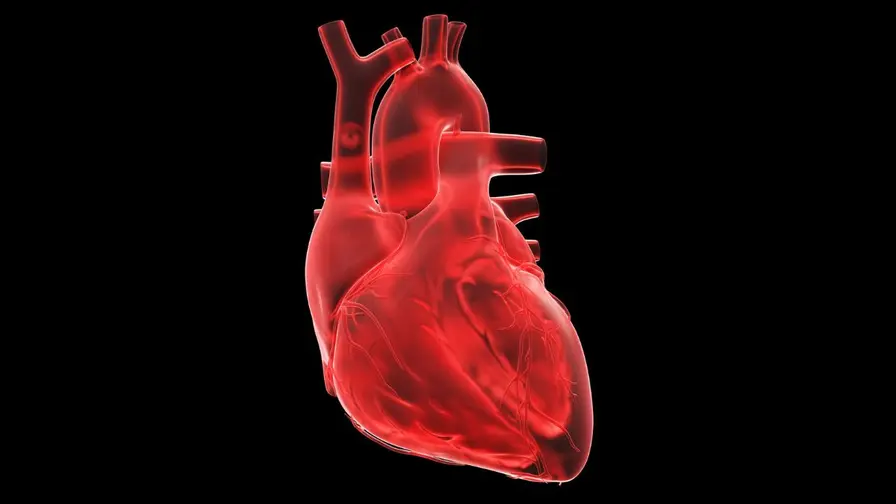
Read MoreOliver Hayes2026-02-182A Heart-on-a-Chip That Maps Cardiac Cells in Real TimeA new heart-on-a-chip platform merges whole-tissue and cellular-level sensors to monitor contractile force and local stresses, promising improved drug testing and patient-specific cardiac models.
Read MoreNora Schmidt2026-02-182Common Diabetes Drug Linked to Longer Lives in WomenA long-term analysis suggests metformin, a common diabetes drug, is associated with a 30% reduced risk of death before age 90 among postmenopausal women, highlighting potential geroprotective effects and the need for randomized trials.
Read MoreOliver Hayes2026-02-182Lifelong Language Habits Reduce Alzheimer's Risk by 38%A Rush University study links lifelong engagement with reading, writing and languages to a 38% lower Alzheimer's risk and delayed onset. Lifelong cognitive enrichment may build resilience against dementia.
Read MoreNora Schmidt2026-02-172Pink Noise and Sleep: New Study Reveals Harmful EffectsA lab study finds that pink noise—a popular sleep aid—can reduce REM and deep sleep. Researchers compare pink noise with environmental noise, showing earplugs may protect sleep quality.
Read MoreOliver Hayes2026-02-162Pregnancy Deaths Shift: Overdose and Violence LeadA national review finds that accidental overdose, homicide and suicide now lead pregnancy-associated deaths in the U.S., calling for improved screening, data collection and integrated care during pregnancy and postpartum.
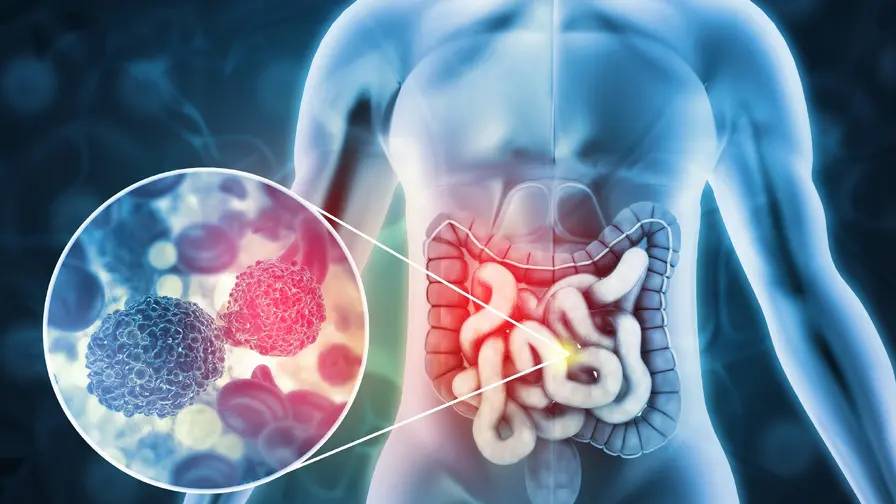
Read MoreOliver Hayes2026-02-162Why Colorectal Cancer Is Rising in Young Adults — What to KnowColorectal cancer diagnoses are rising among younger adults. This article explains emerging causes, symptoms to watch for, screening options, and practical steps to reduce risk.
Read MoreNora Schmidt2026-02-15Unexpected Molecular Shifts in Midlife and Early SixtiesA metabolomics study found sharp molecular shifts in both men and women around the mid-40s and again in the early 60s. Researchers urge larger, more detailed studies to identify causes and health implications.
Read MoreNora Schmidt2026-02-152One Third of Dementia Cases Linked to Peripheral IllnessA global review links about one-third of dementia cases to diseases outside the brain—gum disease, liver disease, hearing and vision loss, and type 2 diabetes—suggesting new prevention pathways.
Read MoreOliver Hayes2026-02-142Eating Within Eight Hours Reduces Crohn's Symptoms 40%A University of Calgary trial found that 16:8 time-restricted eating reduced Crohn's disease activity by about 40%, improved abdominal pain and lowered inflammatory markers—without changing calories or diet type.
Read MoreOliver Hayes2026-02-142Piezo1: The Protein That Could Mimic Exercise for BonesScientists identify Piezo1, a mechanosensitive protein in bone marrow stem cells, as a key mediator of exercise-driven bone growth; this insight points to potential therapies that mimic exercise for osteoporosis patients.
Read MoreOliver Hayes2026-02-142Why the Brain, Not Just Muscles, Boosts Exercise EnduranceNew research shows neurons in the ventromedial hypothalamus (VMH) drive endurance gains after repeated exercise in mice. SF1 neuron activity and synaptic growth correlate with improved stamina and metabolic adaptation.
Read MoreNora Schmidt2026-02-132mRNA COVID Vaccines in Pregnancy Not Linked to AutismA prospective multi-center study of 434 toddlers finds no link between maternal mRNA COVID-19 vaccination before or during pregnancy and early autism or developmental delays, offering reassurance for parents and clinicians.
Read MoreNora Schmidt2026-02-122Sleepless Nights Could Drive Half a Million Dementia CasesA reanalysis of older adults suggests insomnia could account for about 12.5% of dementia cases in the US — roughly 449,000 people in 2022 — highlighting sleep health as a potentially modifiable risk factor.
Read MoreNora Schmidt2026-02-122Five Sleep Subtypes Reveal Hidden Links to HealthA large study identifies five reproducible sleep subtypes—two morning types and three evening types—each tied to distinct health, behavior, and brain-imaging signatures, suggesting personalized sleep and health strategies.
Read MoreNora Schmidt2026-02-11When Ancient 'Poop Medicine' Meets Modern Microbiome ScienceOnce dismissed, fecal transplants are being reexamined with modern science. Properly screened stool can reshape the gut microbiome and shows promise for infections, metabolic and neuropsychiatric conditions—yet risks and time-limited effects demand caution.
Read MoreNora Schmidt2026-02-102Moderate Caffeine Intake Linked to Lower Dementia RiskA long-term study of nearly 132,000 people finds moderate caffeinated coffee or tea intake linked to an 18% lower dementia risk. Results are associative, not causal, and benefits plateau beyond moderate consumption.
Read MoreOliver Hayes2026-02-102When You Eat Matters: Fasting Eases Crohn’s SymptomsA 12-week randomized trial found that time-restricted feeding — eating within an 8-hour daily window — reduced Crohn’s disease activity by 40%, cut abdominal pain, and improved inflammatory markers without changing calorie intake.
Read MoreNora Schmidt2026-02-092New Oral Drug Slashes Remnant Cholesterol by 60% in TrialTLC-2716, an oral liver- and gut-targeted LXRα modulator, reduced triglycerides by ~38% and remnant cholesterol by up to 61% in a 14-day phase 1 trial. Early results support further testing for hypertriglyceridemia and MASLD.