
Picture a phone where the default AI assistant is no longer a fait accompli. Small choice, big ripple. Brussels has just told Google to loosen the locks on two of its most valuable assets: Android and Google Search.
What Brussels wants from Google
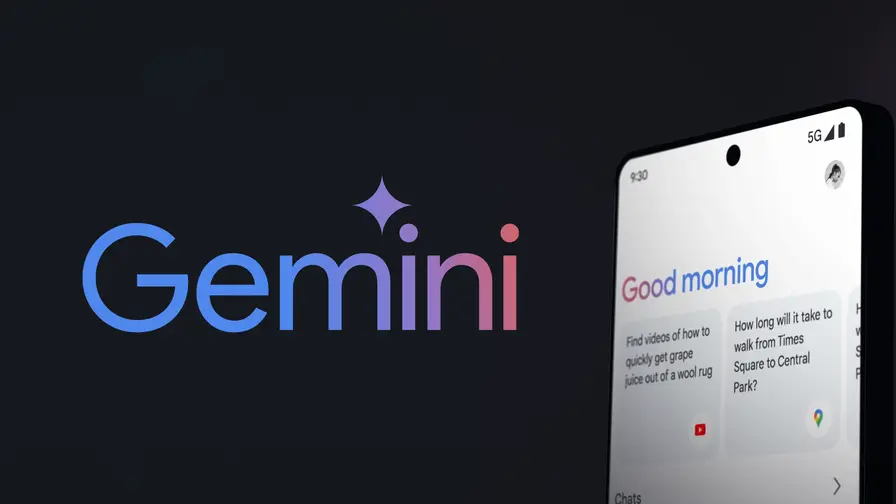
The European Commission has invoked the Digital Markets Act to require Google to grant rival search engines and AI assistants greater access to core Android features and to certain search-generated data. In plain terms: third-party assistants should be able to interact with Android much like Google’s own Gemini does — launching apps, responding to voice prompts similar to "Hey Google," and tapping into phone hardware in deeper ways.
And it does not stop at the OS. The EU also set rules for how competing search engines and chatbot-style AI can access data produced by Google Search. Those chatbots, in some markets, already double as search engines. Brussels wants them to have fair access so innovation can actually compete with Google’s entrenched services.
Google pushed back immediately. The company argues these measures could undermine user privacy and security and damage its products. The Commission answered with guardrails: access will come with limits and checks, and Google may vet services that request especially deep integration to protect users.
Why does any of this matter? Because access is power. When a handful of companies control the interface that users open every day, they shape which services rise and which never get a chance. The DMA flips that dynamic toward openness, nudging the market toward more choice and less gatekeeping.
Apple is already part of the conversation. Reports point out that Apple is a major customer of Google Cloud for iCloud storage, holding enormous volumes of user data. That link illustrates how entangled big tech platforms are, and why any rule that pries one door open can reverberate across many services.
Hanna Virkunen, the European Commission’s executive voice on technology, security and democracy, framed the move as a push for more diversity and innovation. The goal is straightforward: let alternatives to Google Search and Google’s AI services emerge in Europe, and give users broader choices when it comes to their digital assistants.
This is not a fine. It is a redesign mandate. Google must change how its services behave, not just pay a penalty and carry on. For developers and rival AI platforms, that opens a window to build deeper integrations with Android, rather than being confined to superficial compatibility.
Expect friction. Security concerns will be raised. Lobbying will intensify. But the broader effect could be significant: more competitive AI assistants, richer third-party search experiences, and a smartphone ecosystem where default choices are truly elective rather than locked down.
Users in Europe may soon be able to choose their AI assistant as easily as they choose a browser.

“I love exploring gadgets, apps, and trends that redefine how we connect, work, and play in a digital world.”

Discussion
Leave a Comment
Comments (2)
Is this even true? Sounds great on paper but privacy and security tradeoffs worry me. Who vets the third party assistants anyway? idk...
wow, actual choice for assistants? If phones let rivals run deep, that could shake things up… but will Google fight it hard, or will we get a messy rollout?