
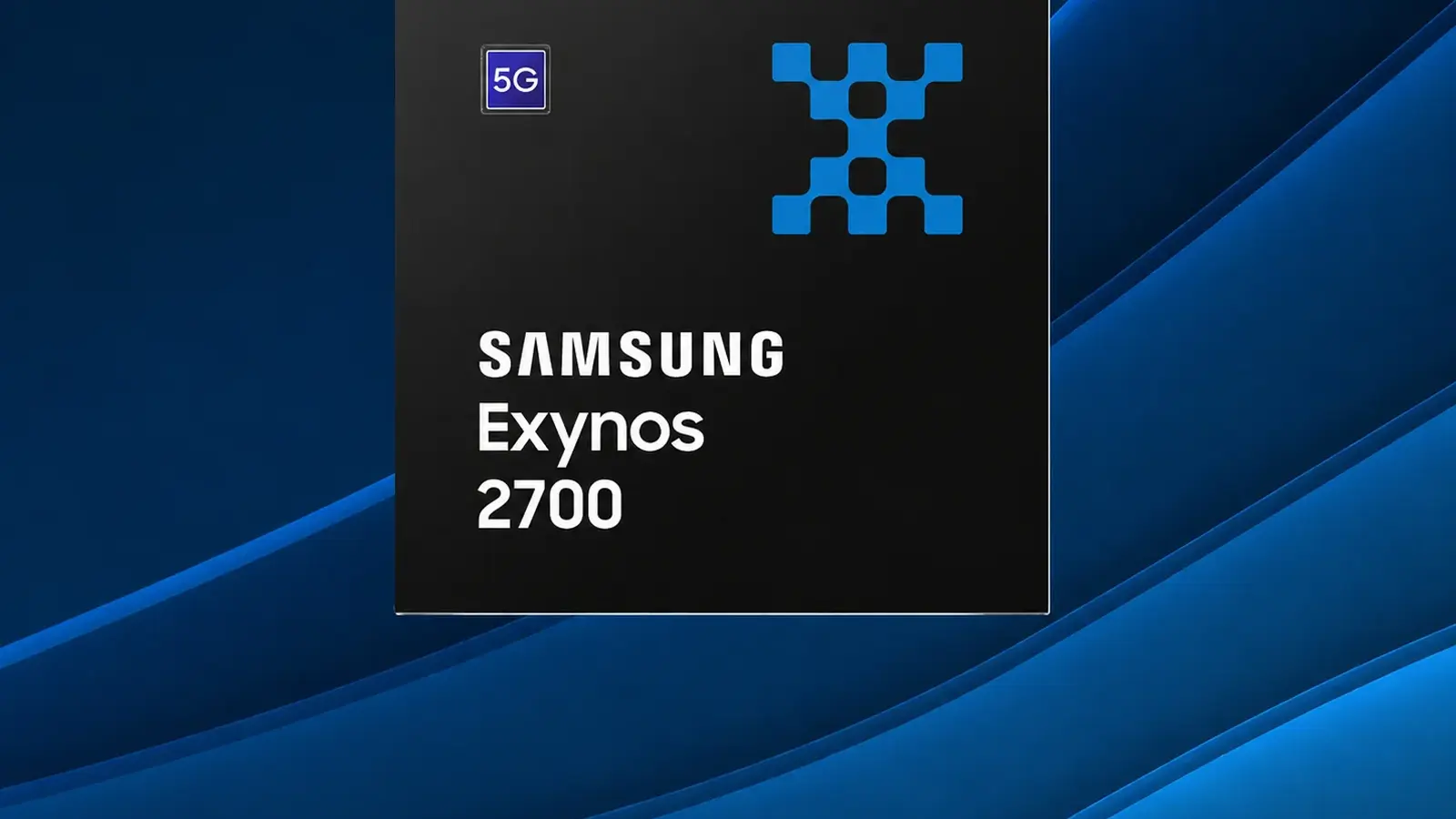
A leaked Geekbench listing has pulled back the curtain on Samsung's next in-house flagship chip, and the first impressions are more than just numbers. The Exynos 2700 posted 4,328 in single-core and 14,700 in multi-core on Geekbench 6.7.1, a notable uptick from earlier public entries. Those older figures were lower, but different software builds and early silicon samples make direct comparisons messy.
So what changed? Samsung appears to be experimenting with a hybrid core layout that reads like a chessboard of performance and efficiency. The die-shot leaks describe a 10-core arrangement: 1+4+1+4. One cluster pairs a single Arm C1-Ultra with four C1-Pro cores. The mirror cluster mixes a C2-Ultra with four C2-Pro cores. It’s a subtle remix of established Arm designs, aiming to spike peak speed without tanking sustained power draw.
Why the architecture matters more than the headline scores
Raw benchmark numbers grab headlines, but architecture dictates experience. Short bursts matter for snappy animations and app launches. Long, steady loads define gaming and pro workloads. By mixing older and newer Arm cores, Samsung looks to tune that balance. Throw in LPDDR6 memory support and a modern process node, and the chip gains the bandwidth and efficiency to push heavier tasks without throttling too hard.

Graphics are expected to land on an Xclipse 970 GPU, and rumors point to a dedicated NPU for on-device AI. That combination is telling: Samsung isn’t just chasing framerate. It’s preparing for on-device AI features and the kind of sustained throughput apps will demand a year from now.
And yes, the foundry story matters. The Exynos 2700 is reportedly built on Samsung Foundry’s improved SF2P 2 nm process. Shrinking transistors helps both speed and battery life, but real-world gains depend on how Samsung tunes power delivery and thermal limits in shipping phones.
These benchmark snapshots came from internal test listings, not final retail devices. So take the figures with a grain of skepticism. Still, the layout and the modern memory and NPU support are the clearest signs yet that Samsung is trying to close the gap with rival flagship silicon.
Expect the Exynos 2700 to appear across the Galaxy S27 family: S27, S27 Plus, and S27 Pro. When the devices land, real-world tests will tell whether those mixed-core choices and faster memory translate into meaningful gains for users.
This is early, but the Exynos 2700 looks less like incremental tuning and more like a deliberate architectural push.


“I cover emerging technologies, digital innovation, and the intersection of tech and everyday life. My goal is to make complex trends accessible and inspiring.”

Discussion
Leave a Comment
Comments
No comments yet. Be the first.