
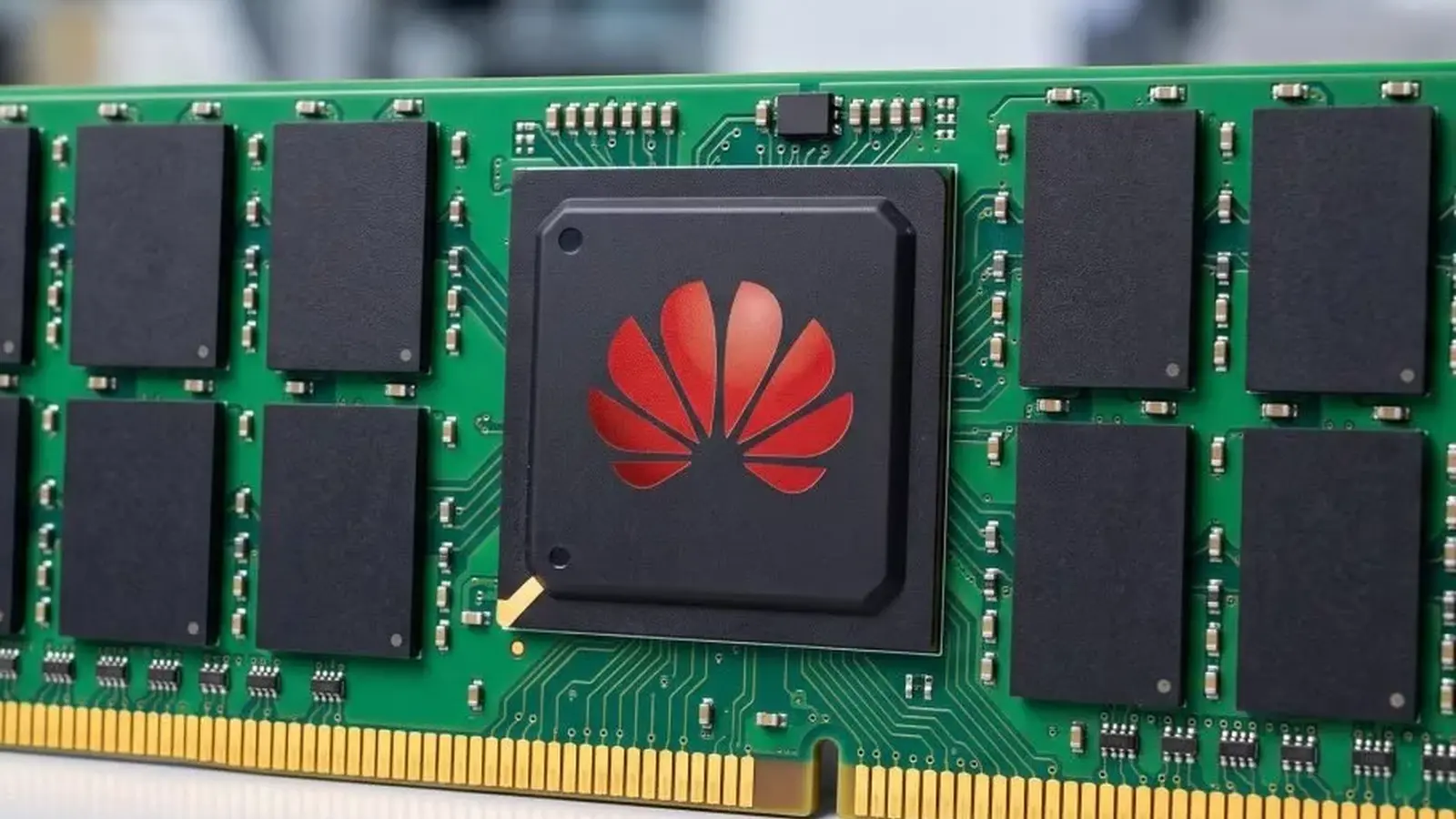
Imagine a telecom giant quietly turning into a memory maker. No fanfare. Just plans, permits and wafer carts in silence. That’s the picture emerging as Huawei moves to insulate itself from the global DRAM squeeze and any future supply blackouts from overseas suppliers.
A strategic pivot, not a publicity stunt
Huawei is not trying to reinvent silicon design overnight. It’s buying resilience. Sources tracking the chip industry report a three-way alliance between the Chinese government, a memory-maker called Swaysure, and Huawei to build a 12-inch DRAM fab aimed at chipping away at the supply risk posed by a market dominated by Samsung, SK hynix and Micron.
Why now? Two reasons. First, those three firms control roughly 95 percent of global DRAM capacity. Second, the boom in AI and persistent component shortages have driven memory prices and strategic exposure through the roof. The new plant will start with mass production of 28-nanometer DRAM and a target capacity of 140,000 wafers per month — enough to change Huawei’s procurement calculus.
Leadership choices underscore seriousness. A former TSMC executive has been tapped to run the site, while a strategist from Elpida has joined the management team. Those hires signal a project that expects real technical and operational hurdles and aims to clear them quickly.

Huawei knows its limits. The company has deep experience as a fabless designer, but direct DRAM fabrication is a different discipline. That’s where Swaysure’s manufacturing know-how and explicit government backing become crucial. Regulatory approvals can be fast-tracked and capital constraints eased when Beijing is at the table.
So what’s in it for Huawei beyond security of supply? Lower costs, potentially. If the plant runs smoothly, Huawei could source DRAM internally or through close partners at competitive prices, easing production costs for future phones and networking gear. That would blunt one of the key channels through which shortages raise consumer prices and slow product rollouts.
There are caveats. Building a reliable DRAM supply chain takes time and precision equipment. Tool sourcing, process maturity and ecosystem suppliers all matter. A single small break in the chain could undercut the whole plan. Yet with state support and industry veterans on board, the initiative has legs.
In short: this is a hedge against geopolitical shocks and market tightness alike. If it succeeds, Huawei could shift from dependent buyer to influential supplier within parts of the memory market. If it stumbles, the company will still have learned lessons few Western rivals needed to confront so directly.


“I love exploring gadgets, apps, and trends that redefine how we connect, work, and play in a digital world.”

Discussion
Leave a Comment
Comments
No comments yet. Be the first.