
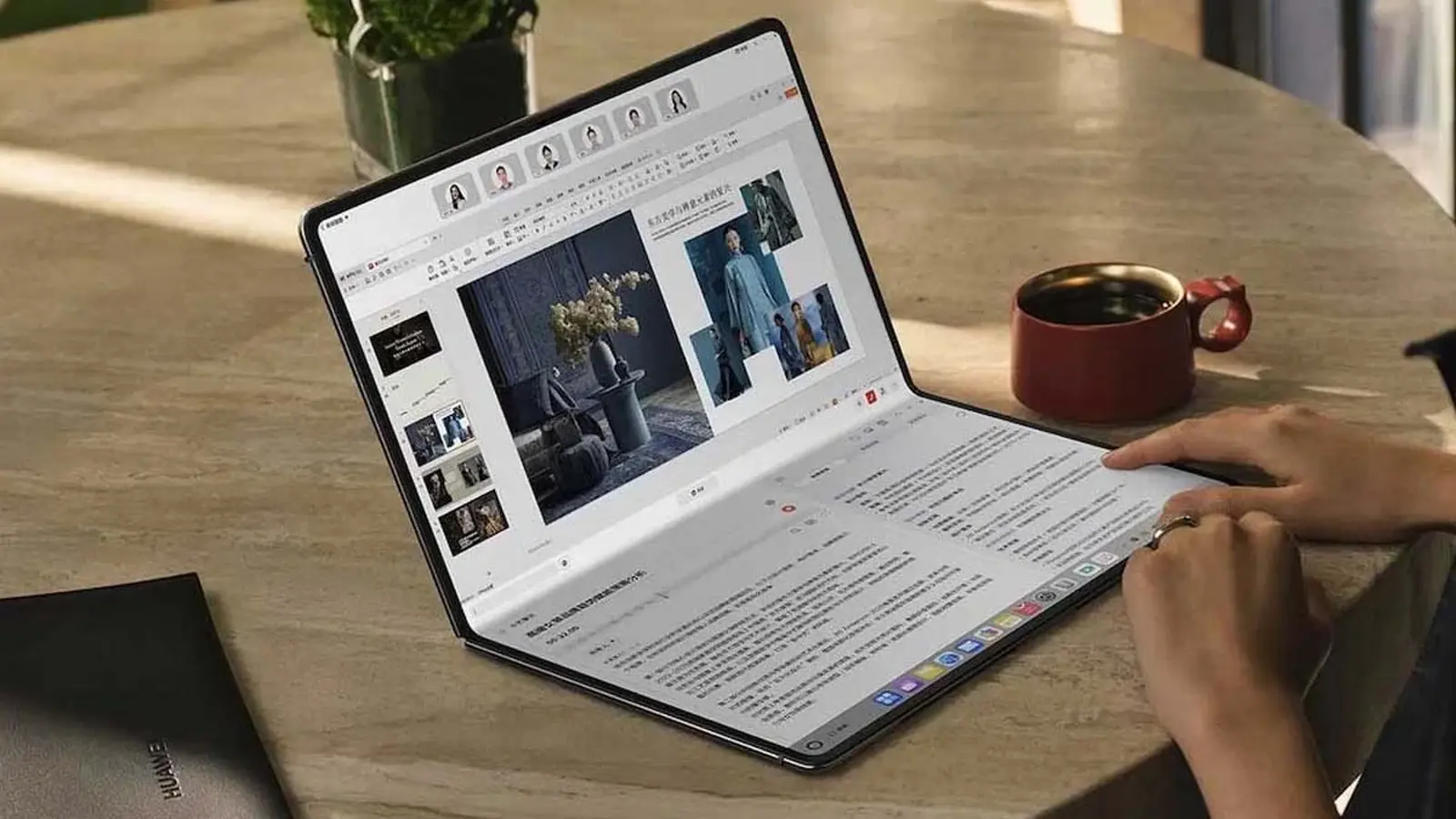
Imagine enterprise PCs that start their lives without Windows. That is the image Huawei is pushing as it prepares a commercial launch of HarmonyOS-powered desktops this September. The move is not a gentle side step. It is a calculated push into corporate IT, where control, security, and supply-chain independence matter more than glossy consumer features.
First impressions: what to expect
At HDC 2026, Zhu Dongdong, who heads Huawei's Terminal Tablet and PC product line, confirmed the timeline. Trials for business customers should begin in July and August, with a formal release set for September. Two initial models were revealed: the HM740 and HM940. These are not rebadged consumer laptops. They have been reworked for enterprise requirements, with added security hardware and software separation to meet corporate compliance and data-protection policies.
The HM740 is already notable on paper. Thin and light, it tips the scales at 1.32 kilograms and measures about 14.5 millimeters thick. Yet Huawei claims up to 21 hours of battery life. The spec sheet also includes a 14.2-inch OLED panel with a 120 hertz refresh rate. And because this is aimed at business, Huawei has baked in features such as digital dual-space separation so personal apps and corporate environments don’t bleed into each other.

Security is front and center. Both models are reported to include a dedicated security chip and enterprise-grade protections that go beyond typical consumer setups. That translates to hardware-rooted trust, device attestation, and presumably management hooks that IT departments expect. In short, Huawei is not selling laptops; it is selling a secure computing posture built around HarmonyOS.
Can HarmonyOS scale from phones and tablets to full desktop workstations? The quick answer is maybe. Ecosystem maturity will be the real test. Apps matter. Management tools matter. Integration with existing enterprise services matters. Huawei’s advantage is a growing stack that spans handset hardware, tablets, and now desktops, so the potential for a coherent, unified experience is strong.
There is also a geopolitical and strategic angle. For businesses in China—and potentially in other markets where Huawei can operate—HarmonyOS desktops offer a path to reduce reliance on Western operating systems. That appeals to organizations focused on supply-chain resilience or tighter control over hardware and software interactions.
Details are still sparse. Full specifications and pricing have not been released. Shipments of HarmonyOS PCs are expected to grow through 2026 as Huawei rounds out its platform and certifies enterprise features. Early adopters will get a chance to test the devices this summer. The rest of the market will watch how well HarmonyOS handles the demands of enterprise workloads and IT management.
Huawei’s launch is a statement of intent. Turning an OS designed for mobile into a serious alternative for business desktops will require more than competent hardware. It needs developer buy-in, management tooling, and time. But Huawei seems ready to bet on that long game.


“I love exploring gadgets, apps, and trends that redefine how we connect, work, and play in a digital world.”

Discussion
Leave a Comment
Comments (2)
Feels overhyped but I get the strategy. 21hrs battery? lol. If devs dont bite, it's just shiny hardware. Early test will tell
Is this even true? HarmonyOS on desktops sounds bold, but app parity and mgmt tools matter. Security chips ok, but will IT trust the stack, or is this just national pride flex? curious…