
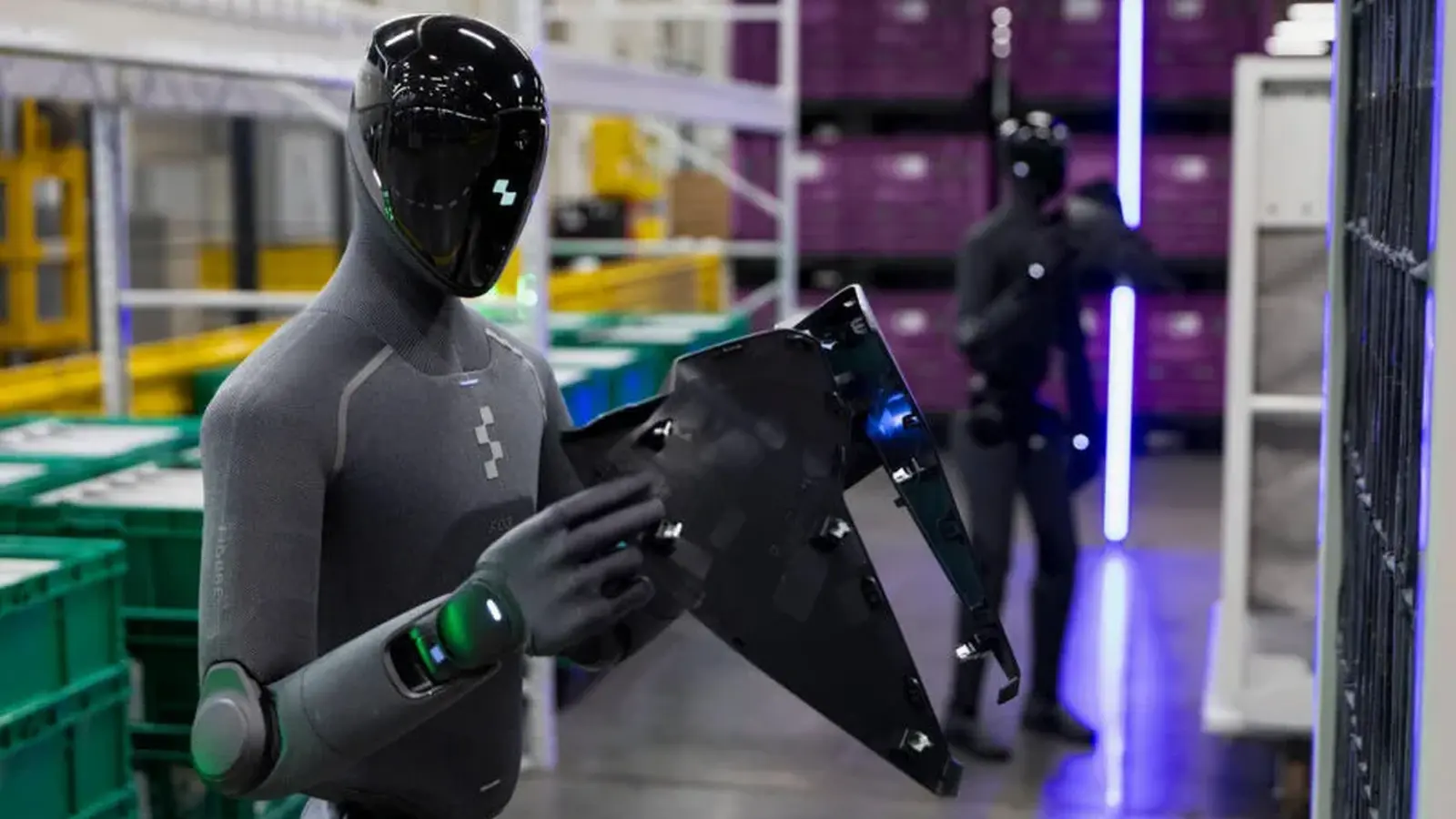
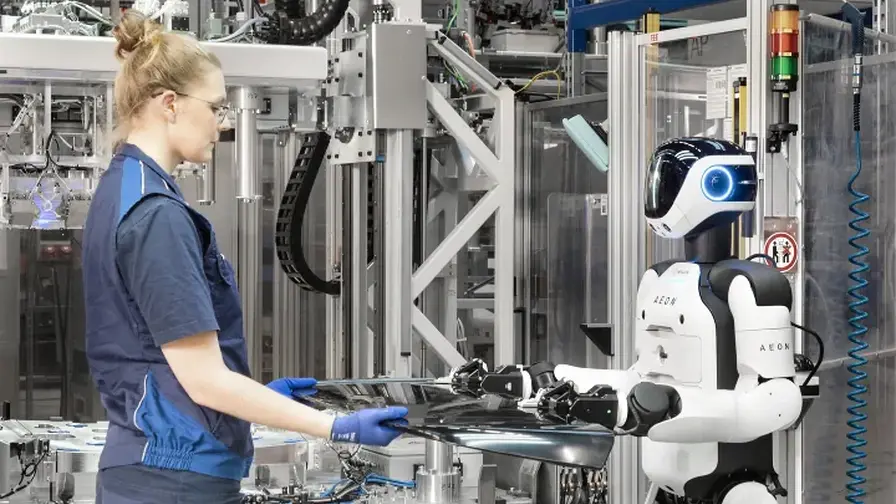
Automakers are moving humanoid robots out of research labs and onto the factory floor. The development is already tangible: BMW last year deployed a humanoid unit called Figure 02 in its Spartanburg, South Carolina body shop to support production of more than 30,000 X3s over a ten-month period.
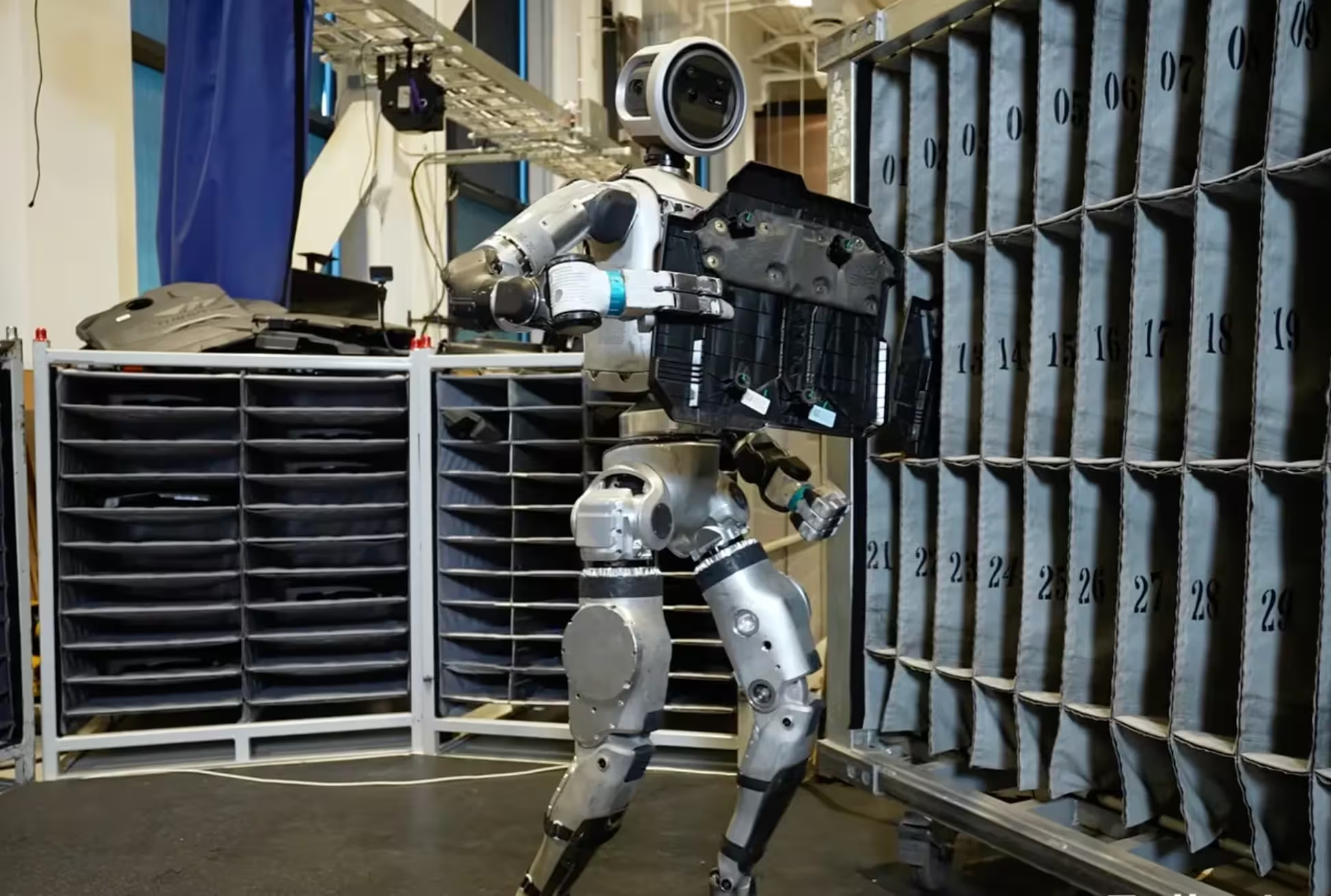
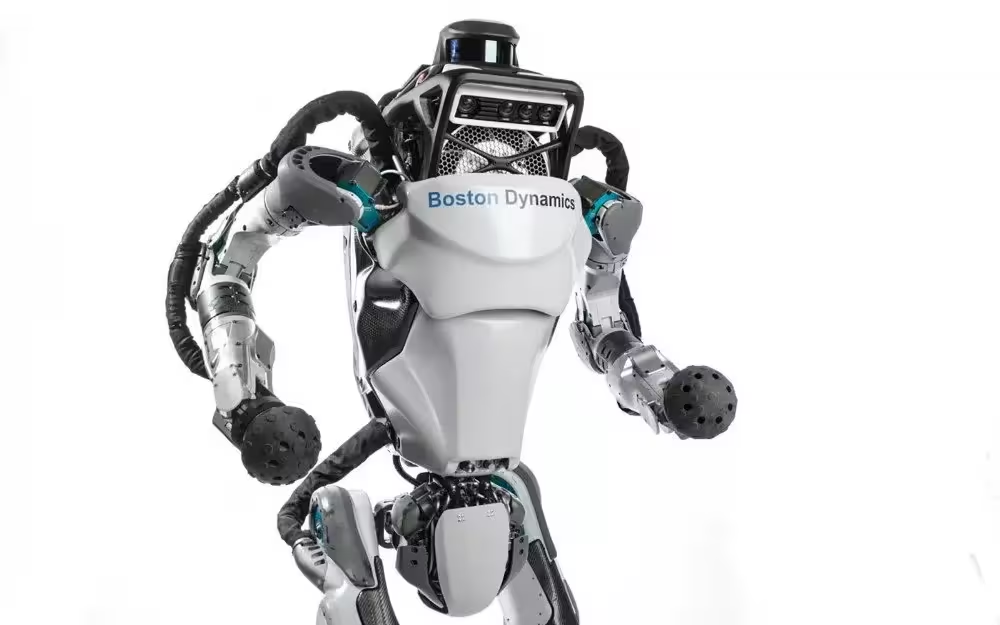
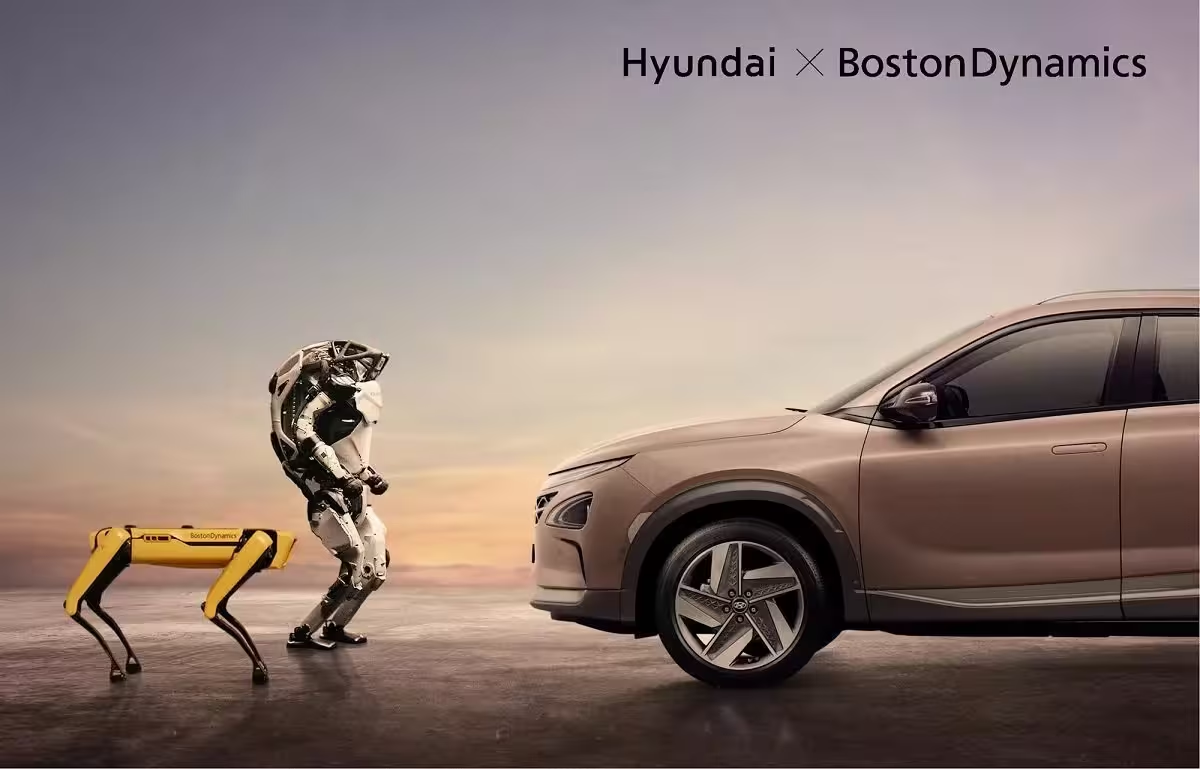
At the same time, Hyundai Motor Group has taken the strategic step of acquiring Boston Dynamics and plans to scale production of that firm's Atlas humanoid. Ford is also using Boston Dynamics Spot at its Halewood plant under operator supervision; the quadruped is fitted with thermal cameras and microphones to spot temperature changes and air leaks, uses Lidar for navigation, and is programmed to yield to people and stop if someone comes within two meters.
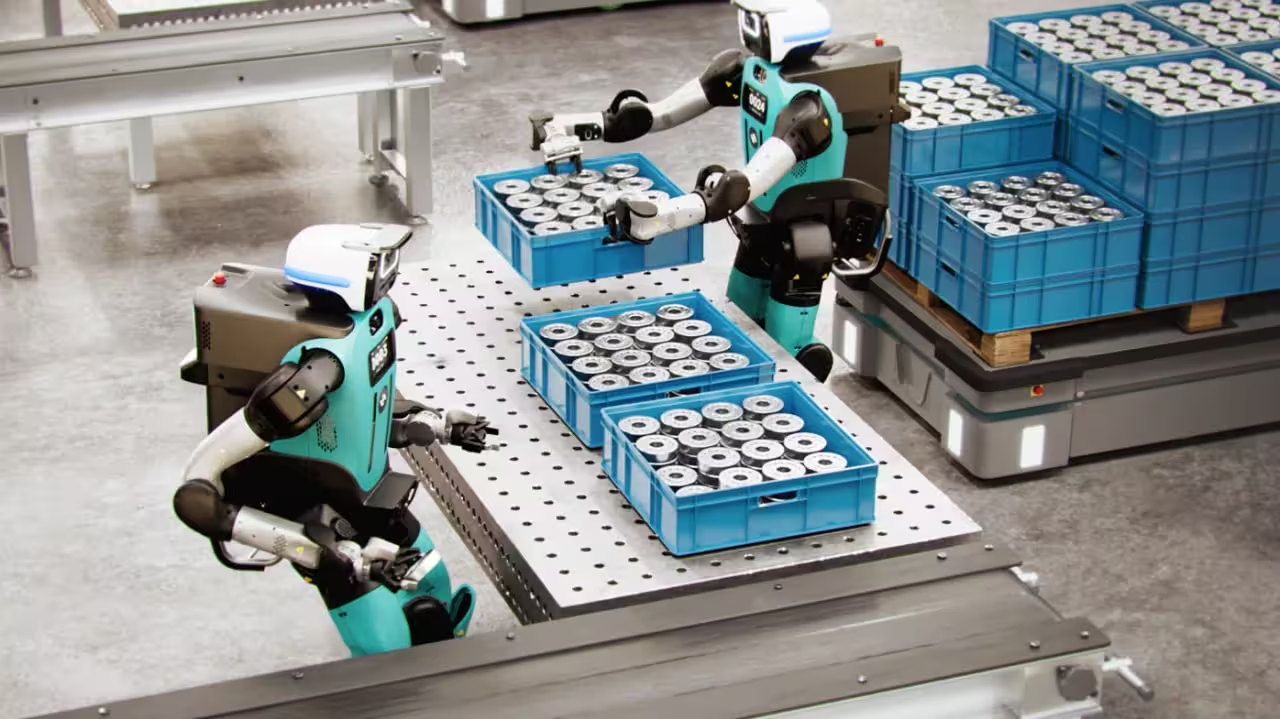
Humans and humanoids on the line
Hyundai says Atlas is a 1.86-meter, 90-kilogram humanoid designed for versatile industrial tasks and that the group intends to prepare it for mass production. Hyundai plans to use Atlas at its Metaplant USA site and says the robots will help build a new factory for the Ioniq 5, the Ioniq 9 and the hybrid Sportage by 2028. The company plans to program the robot's AI-based brain to perform sequencing tasks, meaning it will select parts and deliver them to the line in a precise order and timing.
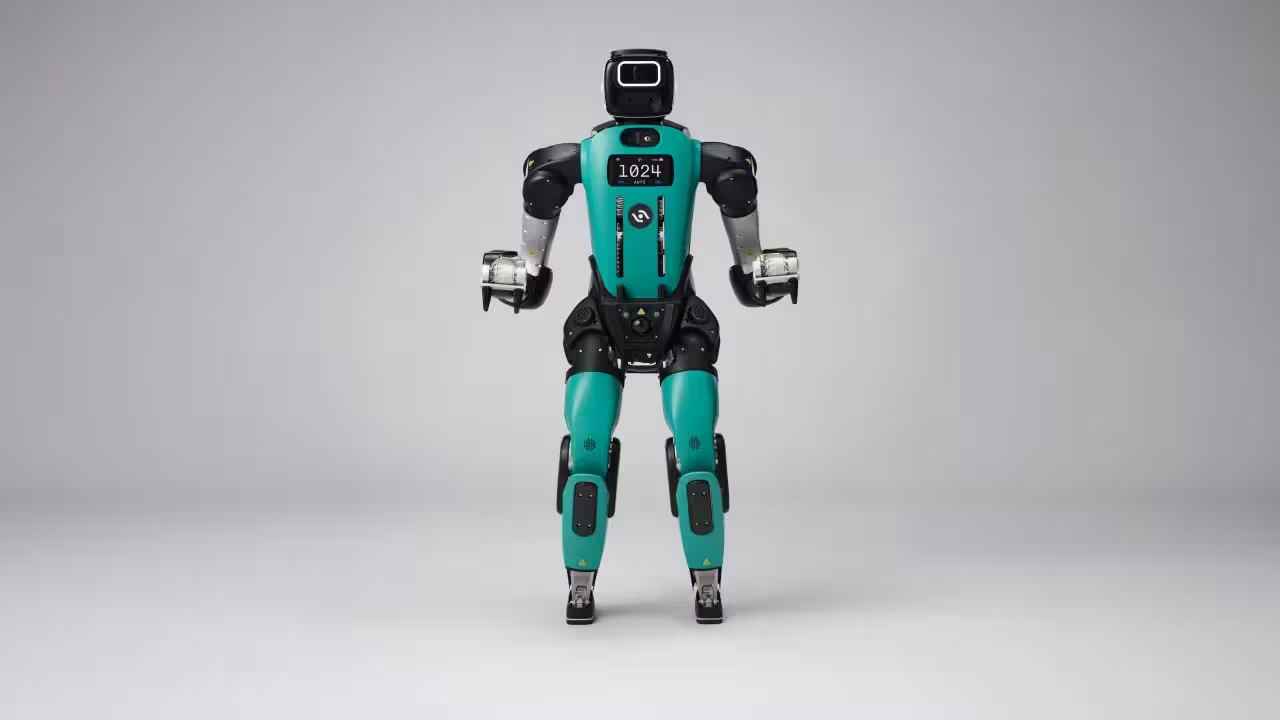
BMW's work with Figure 02 was a practical test of similar ideas. Built in collaboration with Figure AI, the humanoid assisted by placing sheet-metal parts for welding in the Spartanburg body shop. BMW says the project ran for ten months and the company is now moving toward a successor, Figure 03, which it describes as having wireless charging, soft components for safety, speech-to-speech communication, and more humanlike hands equipped with tactile sensors and cameras to improve accuracy and agility.
Separately, researchers at Queen Mary University of London have developed a fingertip sensor that generates a spectrum of colors when pressure is applied. Embedding that sensor in robotic fingertips, together with a small camera inside each finger, lets robotic hands literally see touch and respond with finer sensitivity. The team highlights potential applications ranging from prosthetics and microsurgery to high-precision industrial assembly.
Together these moves reflect a practical shift: autonomy is changing vehicles, while advances in humanoid robotics and tactile sensing are changing how vehicles are built. Each development is rooted in company and research announcements, and manufacturers are already testing the technologies on production lines.

“I cover automotive innovation, electric vehicles, and the future of mobility — where technology meets sustainability.”

Discussion
Leave a Comment
Comments
No comments yet. Be the first.