
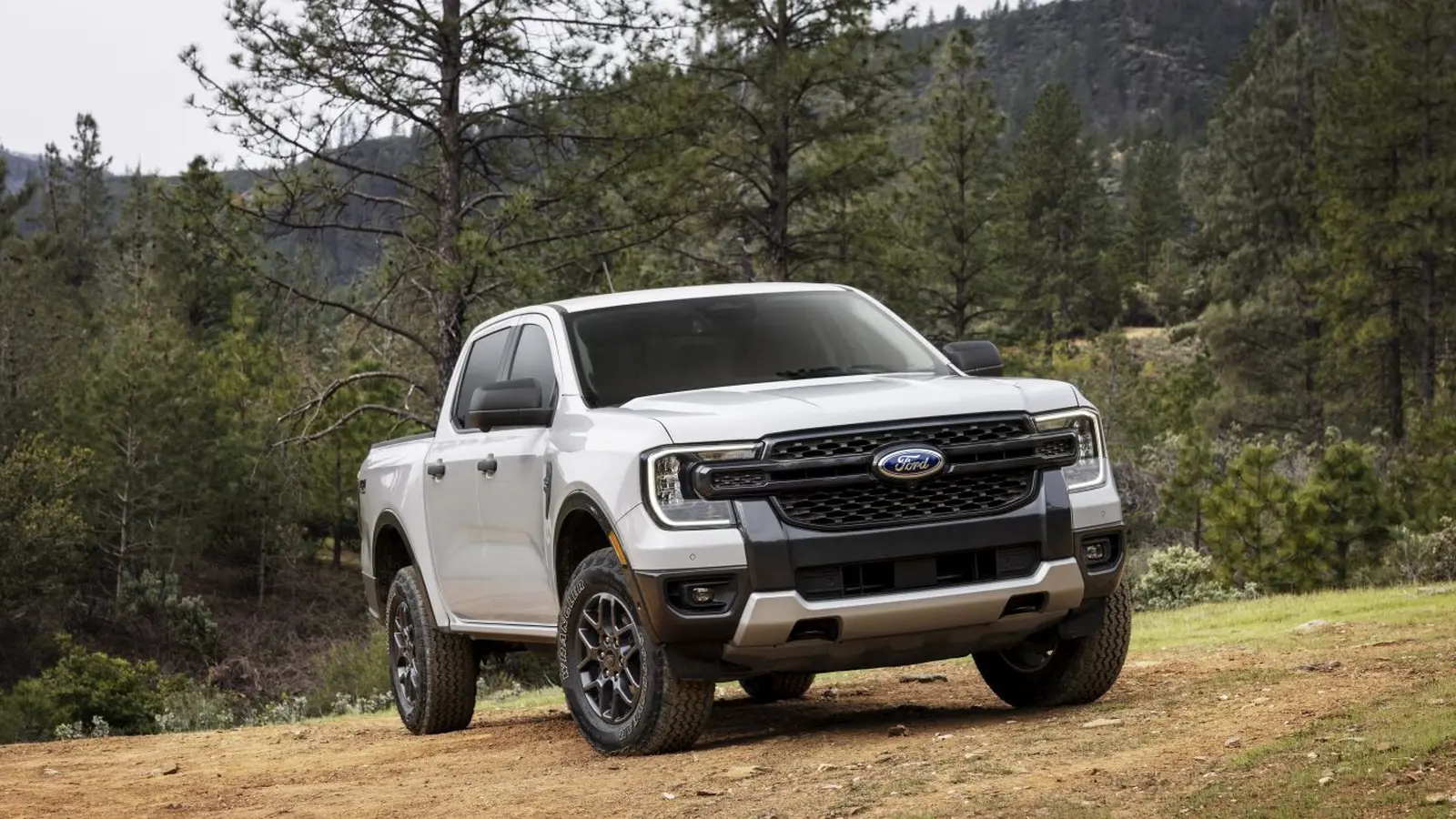
Ford has confirmed early development of the next-generation Ranger is underway in Melbourne, but the new pickup is not expected to reach markets before 2030. The work is being led from Ford Australia’s Center of Excellence for midsize trucks and involves an engineering team of roughly 1,500 people.
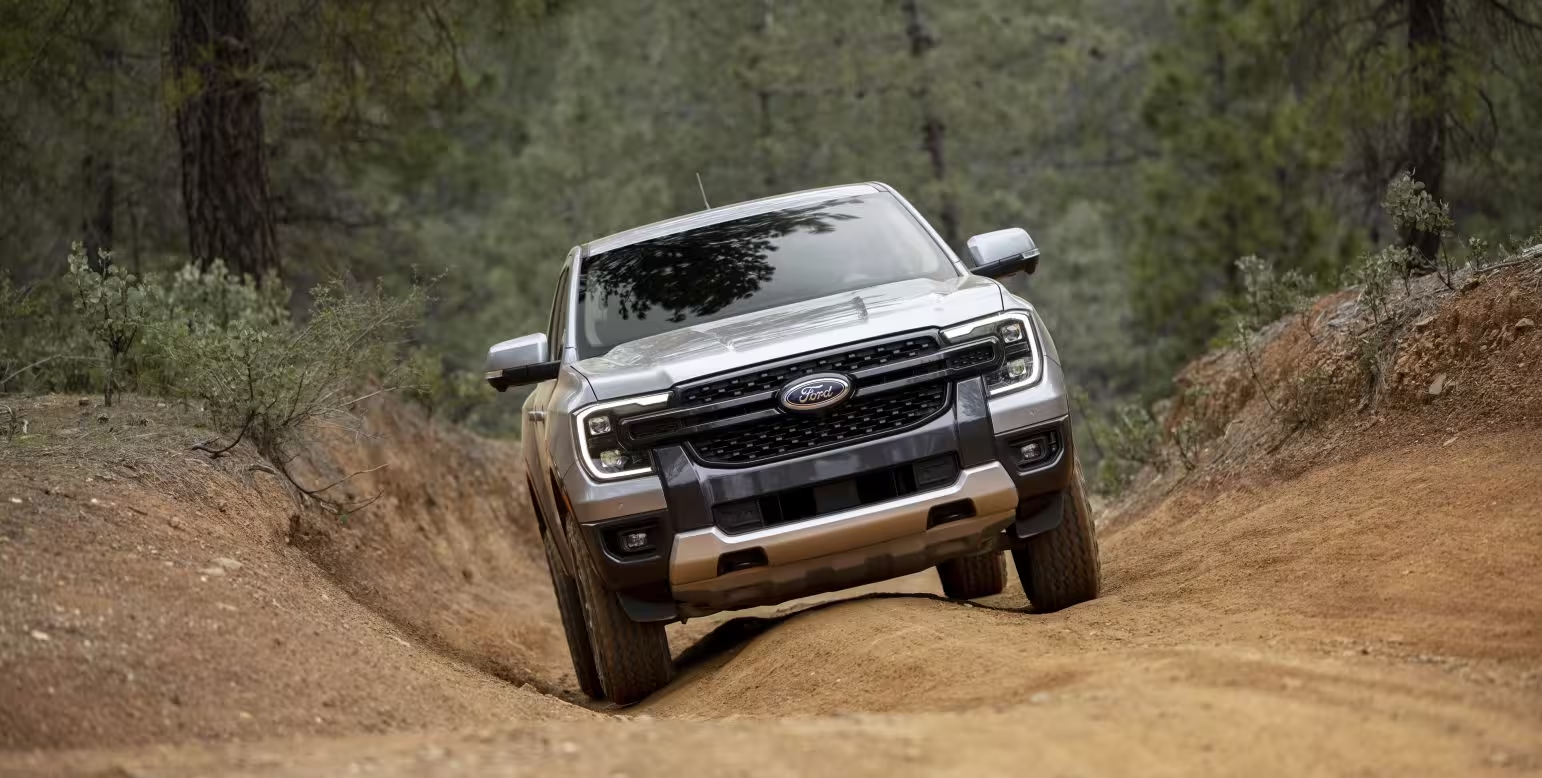
Development base and production context
The program is based at Ford’s Australian headquarters in Melbourne, where the current generation was engineered. The fifth-generation Ranger entered the market in 2024 and remains in production; Ford says the successor will not debut before 2030. The Ranger returned to North America for the 2019 model year after a hiatus from 2012 through 2018.
Historically, Ford paused the Ranger nameplate in North America partly after the permanent closure of the Twin Cities Assembly Plant in St. Paul, Minnesota, which shut in December 2011. U.S. and Canadian Rangers are currently built at the Michigan Assembly Plant in Wayne, Michigan. Ford also reported a temporary halt to production crews at its Dearborn Truck Plant in Dearborn, Michigan, due to an undisclosed supply chain issue.
Platform direction and powertrain support
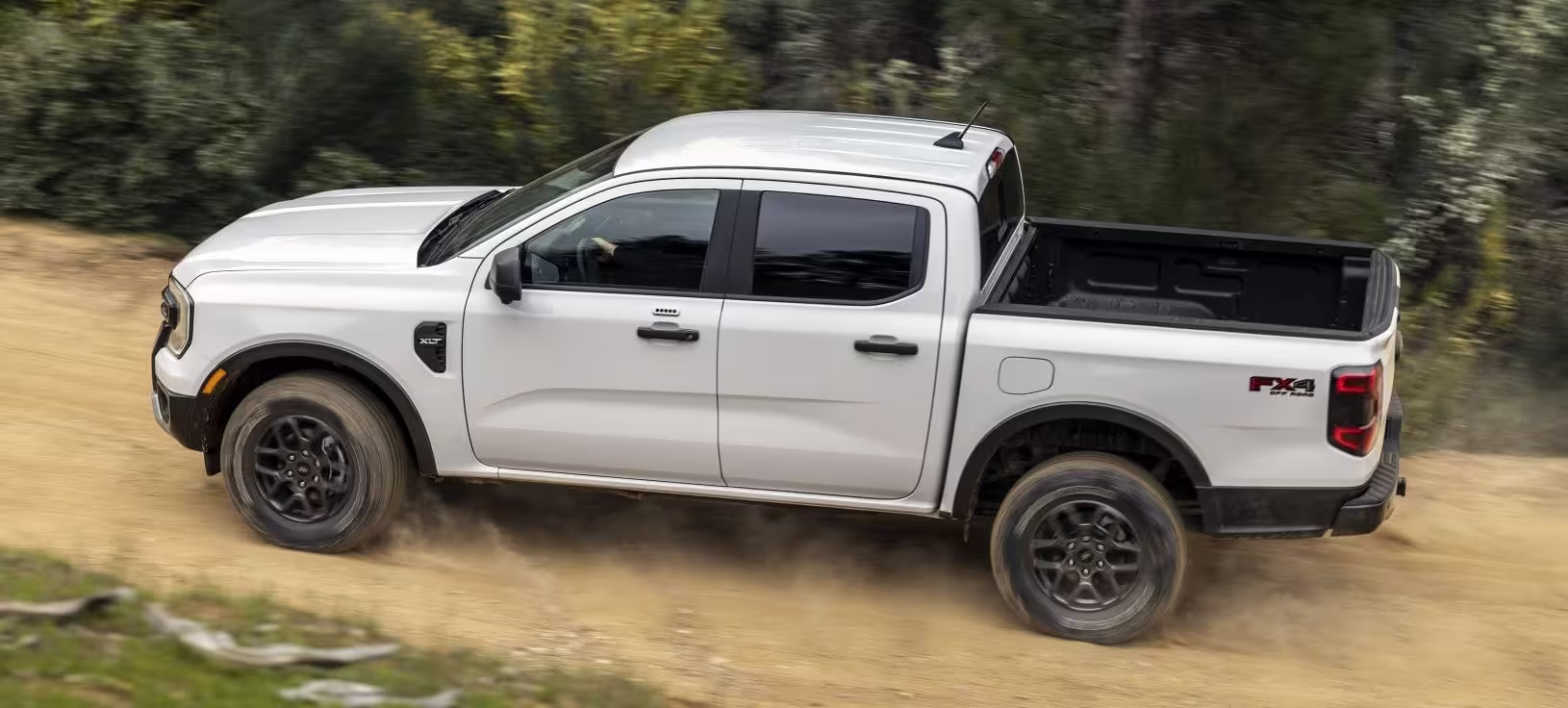
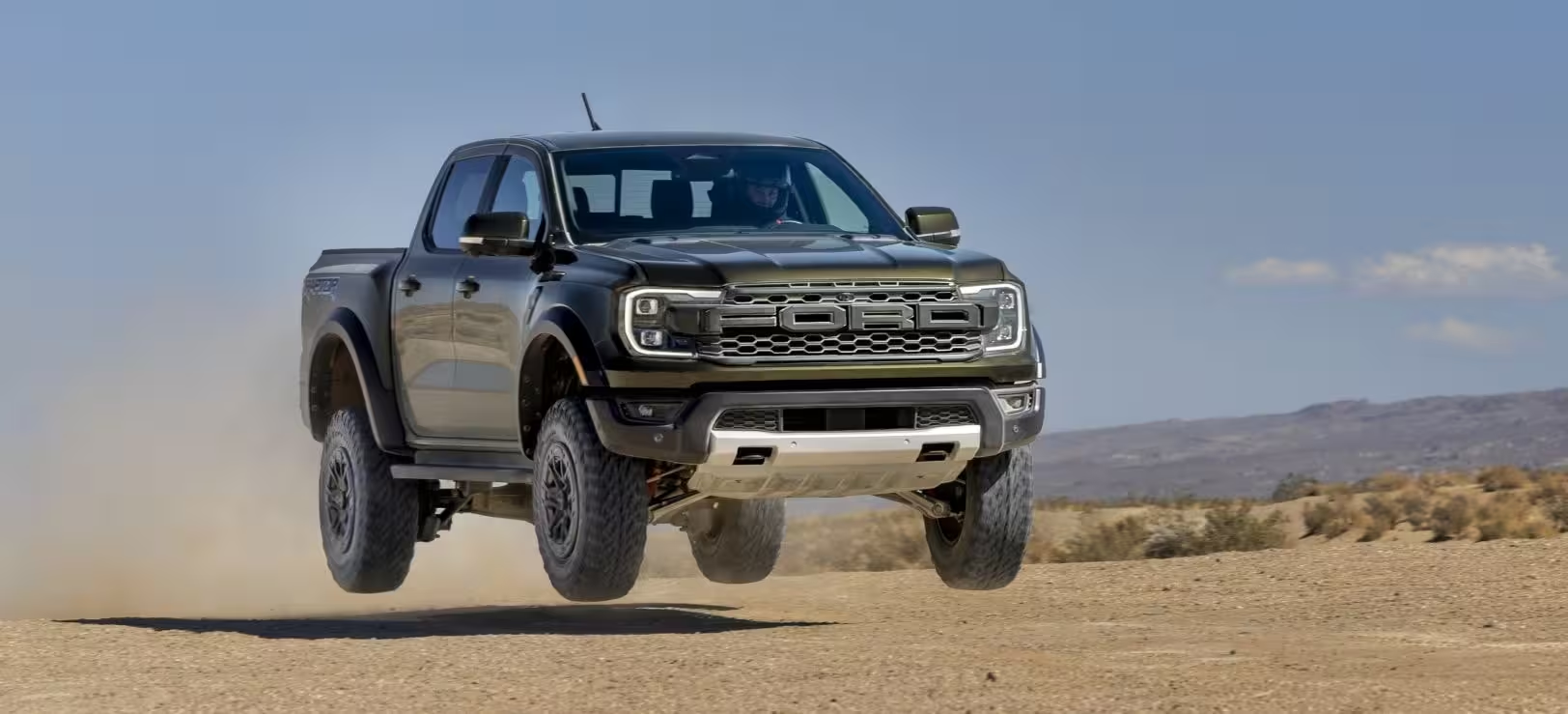
The current Ranger uses the T6.2 platform, an evolution of the global midsize truck architecture originally engineered in Australia. When the current generation reached the U.S. market two years ago, it introduced a wider stance, an extensively redesigned front end, upgraded onboard technology, and the long-awaited Ranger Raptor for America.
- Wider stance
- Extensively redesigned front end
- Upgraded onboard technology
- Introduction of the Ranger Raptor in the U.S.
Early reporting indicates the next-generation Ranger will move to a new global body-on-frame architecture shared with the next-generation F-150, aligning the midsize pickup more closely with Ford’s full-size truck program. Ford additionally says the architecture is being designed to accommodate a significantly larger mix of hybrid and fully electric powertrains in response to tightening global emissions regulations, while continuing to support diesel (not offered in the U.S.) and EcoBoost options where applicable.
Australian engineering and investment
Ford Australia’s Melbourne facility serves as the company’s global Center of Excellence for midsize trucks. The site employs about 1,500 engineers who led development of the current Ranger generation. Ford CEO Jim Farley has questioned the financial viability of full-scale engineering in Australia because of rising labor costs. Ford Australia’s president, Fadi Mawal, said the team will continue work "until someone says otherwise." He added, "Our plan is to continue to lead development of Ranger and Everest into the future," in a conversation with Drive.
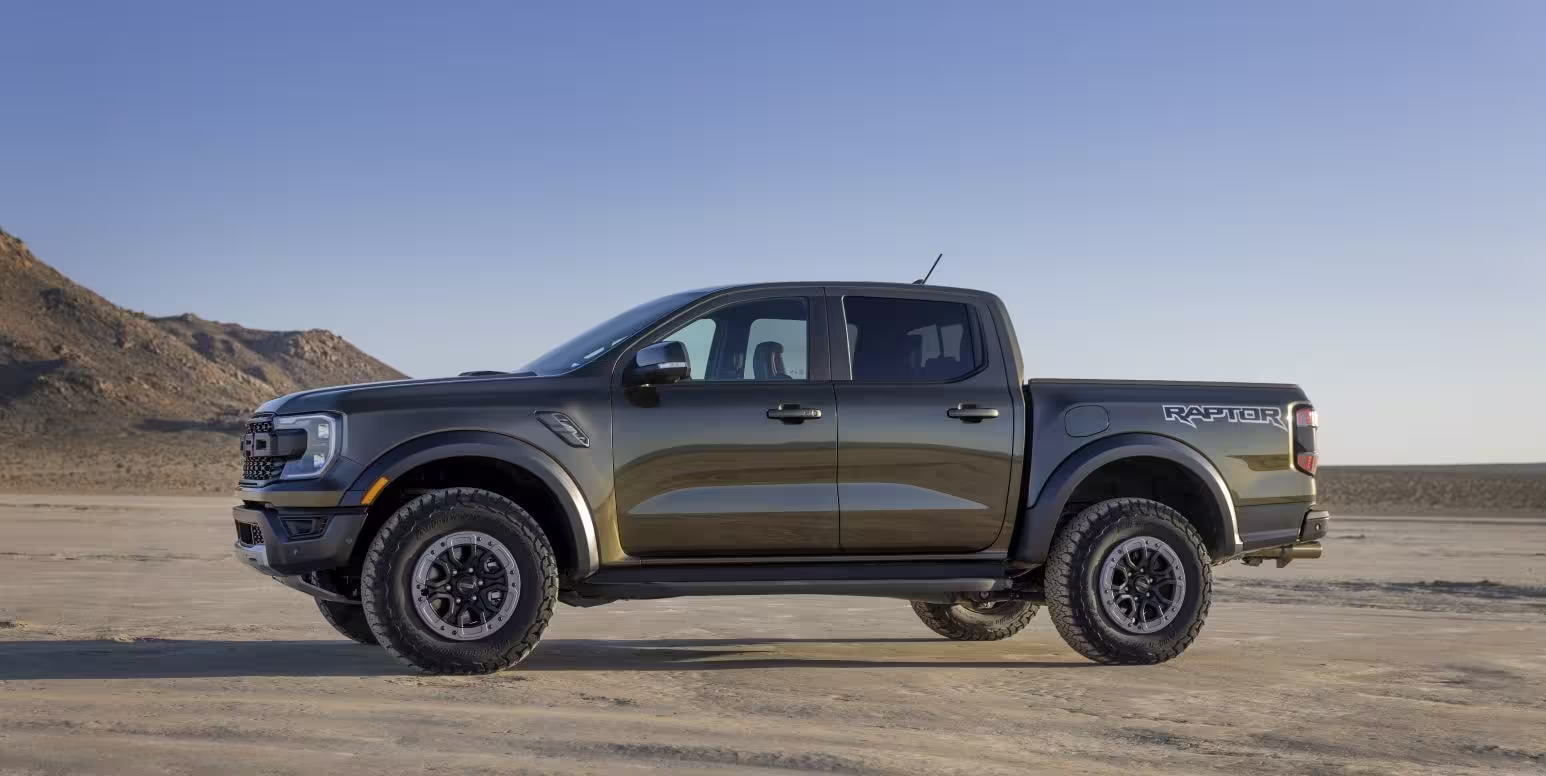
Ford maintains an ongoing investment in its Australian research infrastructure, spending roughly 500 million AUD (approximately 352 million USD) per year, and the company is in talks with the Australian government about a partnership to secure the facility’s future.

“Cars are evolving faster than ever. I cover electric vehicles, smart mobility, and the future of transportation worldwide.”

Discussion
Leave a Comment
Comments
No comments yet. Be the first.