
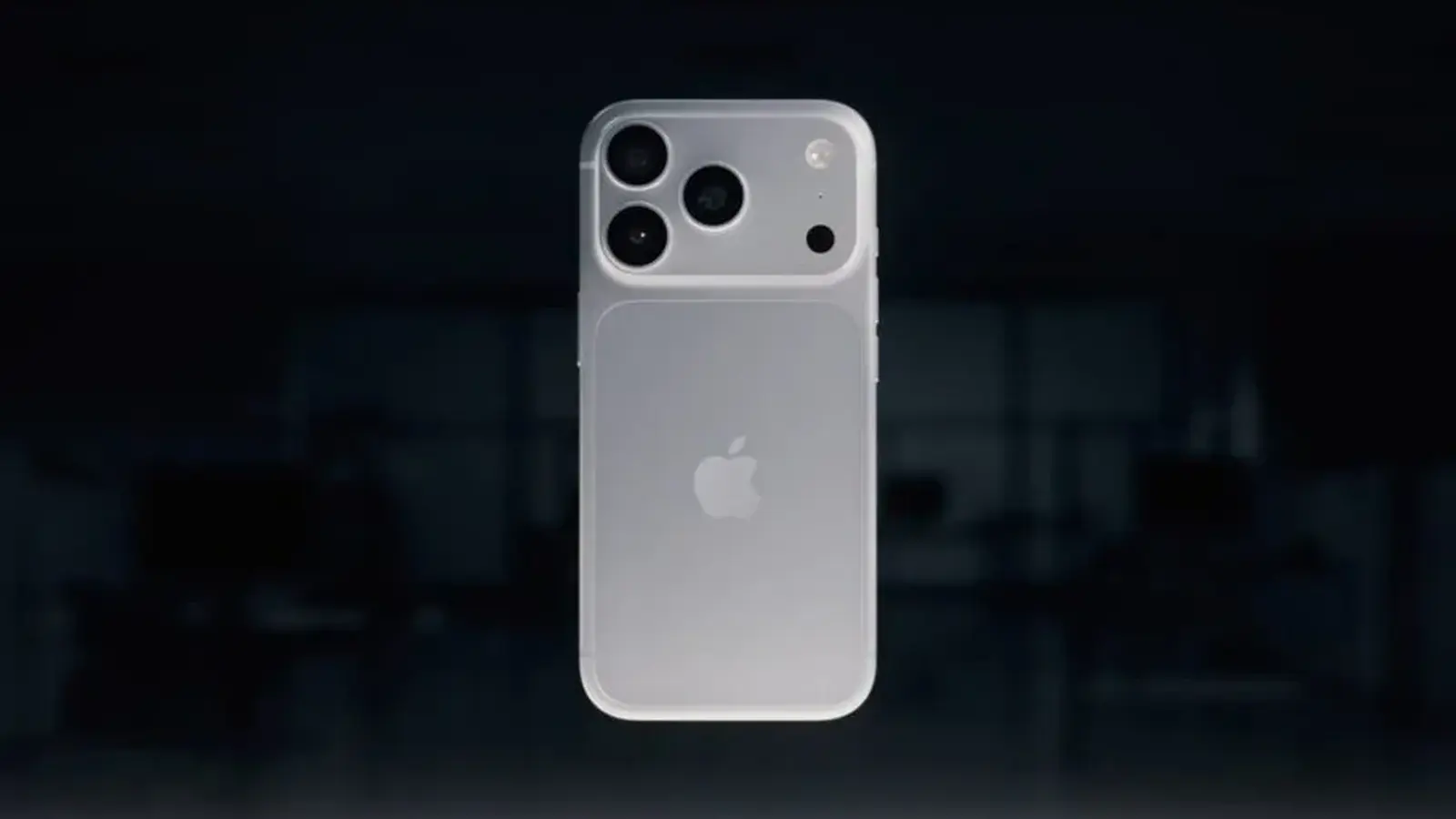
Imagine watching a 4K movie on a phone that claims up to 45 hours of continuous playback. It sounds like bragging. Yet the iPhone 18 Pro Max arrives with specs and features that force you to pay attention.
How Apple changed the conversation
Apple did not just iterate. It leaned into a few big bets: a 6.9-inch Super Retina XDR OLED, a 2-nanometer A20 Pro chip, and a 48MP Fusion sensor with a mechanical variable aperture. Throw in a major jump in battery life and a redesigned, smaller Dynamic Island, and you have a device that challenges the usual strengths of premium Android rivals.
Competitors have not been idle. The Galaxy S26 Ultra, Xiaomi 17 Ultra, and Pixel 11 Pro XL each bring their signature strengths: extreme zoom ranges, blistering charging speeds, or AI-driven software smarts. The fight is less about raw numbers and more about how those numbers translate into day-to-day use.
So where does Apple actually win? And where do Android phones still hold the edge?
Design, display, and everyday ergonomics
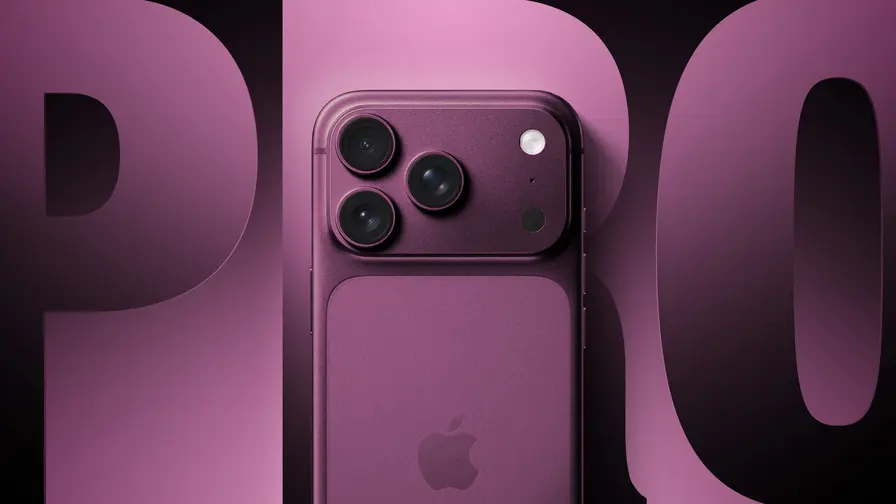
Apple kept the premium feel: four finishes, a smaller Dynamic Island for a cleaner front face, and 40 percent recycled materials in the chassis. Samsung focused on shaving the frame and balancing weight. Xiaomi doubled down on an imposing camera island. Google preserved the Pixel's horizontal camera bar for identity and practicality.
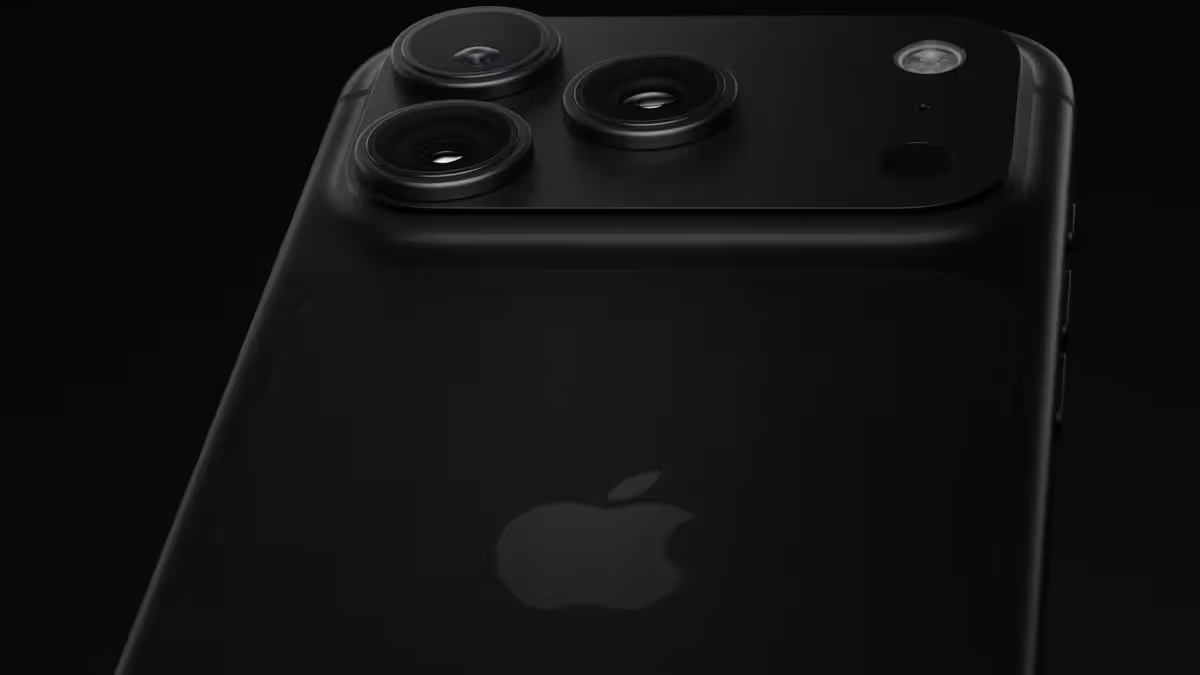
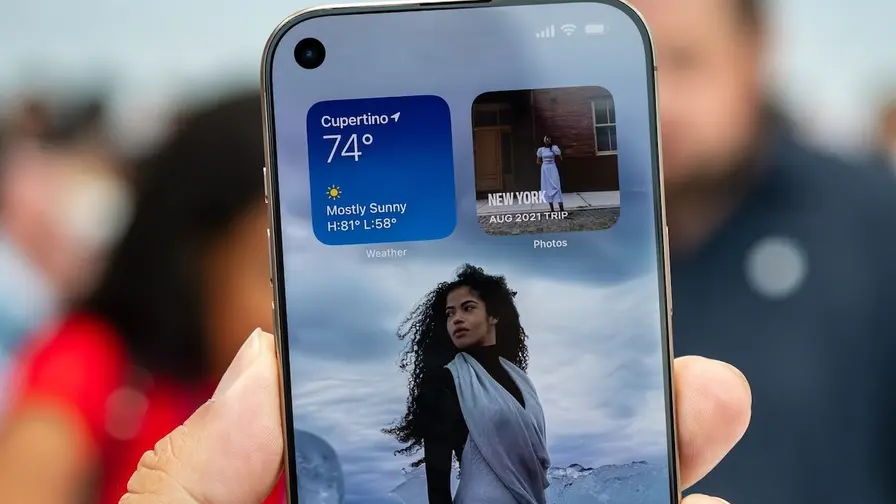
The iPhone's 6.9-inch panel is tuned for color accuracy and energy efficiency. Its Dynamic Island now surfaces up to three live activities simultaneously. Samsung counters with a Dynamic AMOLED 2X that adds a privacy mode, while Xiaomi and Google push high peak brightness for outdoor legibility. In sunlight, Android panels can look dazzling. In color fidelity and smooth UI ergonomics, Apple has closed the gap and in some scenes taken the lead.
Under the hood: performance and thermals
The A20 Pro is a statement chip. Built on a 2nm node, it pairs a six-core CPU and a seven-core GPU with a 32-core dual neural engine. Apple also extended the vapor chamber to triple the previous surface area, which helps sustain performance during long gaming or video-encoding sessions. Benchmarks matter, but sustained thermal stability is where users feel the difference.
Android flagships answer with Qualcomm's Snapdragon 8 Elite Gen 5 in Samsung and Xiaomi, and Google ships the Tensor G6 in the Pixel. Some rivals offer up to 16GB of RAM, which looks great on paper and helps with app switching and heavy multitasking. In real-world tasks, the A20 Pro's efficiency and the iPhone's system-level optimizations translate to a notably fluid experience.
Photography: a different kind of engineering
Apple introduced a physical variable aperture for the main 48MP sensor, controlled across four discrete settings by a six-blade laser-cut mechanism. That gives photographers manual-like control over depth of field and low-light performance without resorting to computational tricks alone. Add Pro Controls, 4K time-lapse in Dolby Vision, and the Apple Reference Image system to detect AI-generated fakes, and Apple is making a strong editorial case for creators.
Still, Android counters where it matters: Samsung and Xiaomi stretch optical zoom farther, and Xiaomi packs a three-dimensional ToF module for extra depth data. The Pixel leans on software and scene understanding to extract detail in tricky lighting. Result? The iPhone excels at consistent video and natural exposure, while Android devices often win on telephoto reach and certain still-photo scenarios.
Battery, charging, and real-world endurance
This is the headline-grabber. Apple reports that eSIM-only iPhone 18 Pro Max models can reach up to 45 hours of continuous video playback and about 30 hours of mixed usage on a single charge. Apple also claims a five-minute wired charge yields roughly seven hours of video playback. Xiaomi may advertise 90W wired charging and larger capacity cells on paper, but Apple's system-level power management and component efficiency push the real-world balance toward the iPhone.
Numbers from rivals: Galaxy S26 Ultra is listed with a 5000 mAh cell, Xiaomi 17 Ultra around 6000 mAh, and Pixel 11 Pro XL about 5115 mAh. Charging wattages vary, and the fastest charge speed does not always equal the best battery longevity.
Software, AI, and ecosystem play
iOS 27 brings Siri AI and deeper on-device intelligence that reads context, manages content, and ties into Apple Intelligence tools. New features like expanded satellite messaging and the ability to hand off a phone number between two iPhones tighten Apple's ecosystem moat.
Samsung counters with S-Pen utility and its own service stack, while Google pairs the Pixel with Gemini-level assistant features. Which approach matters most depends on how tied you are to an ecosystem and whether you prioritize tight hardware-software integration or cross-vendor flexibility.
The bottom line: Apple built a phone that is more about practical gains than headline specs. For users who want video stability, long battery life, and a camera system that prioritizes natural output and creative control, the iPhone 18 Pro Max is a compelling choice. Android flagships still win in zoom capabilities, charge speed, and raw hardware variety.

“I love exploring gadgets, apps, and trends that redefine how we connect, work, and play in a digital world.”

Discussion
Leave a Comment
Comments (2)
Is that 45h claim real for normal use? Sounds like lab numbers. Also curious how much the variable aperture helps handheld low light shots, not just studio pics
Wow ok Apple actually went big, 45 hours?? skeptical but that variable aperture sounds wild. If battery + video hold up i'm sold, maybe time to switch