
Beneath a clear Tahoe sky, an avalanche swept through a backcountry group and left six skiers stranded with no cellular signal. Cold and buried, they had minutes to spare.
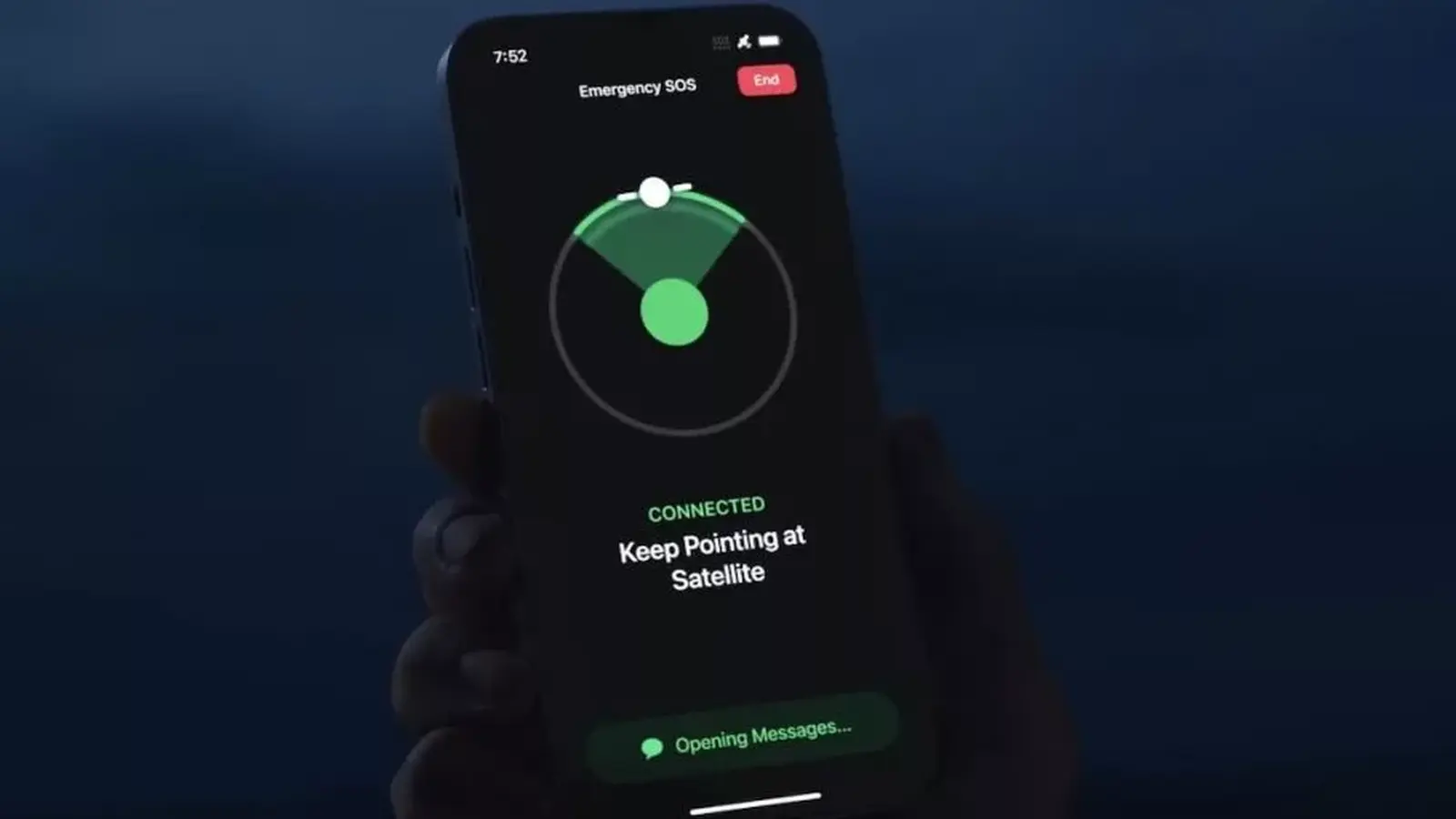
They turned to a feature many still treat like a novelty: iPhone's emergency satellite messaging. Using the satellite link, the group established contact with the Nevada County sheriff's office. Don O'Keefe, head of California's emergency services, recounted that a deputy stayed in touch with one of the guides for roughly four hours, relaying real-time location updates and logistical details that let rescuers pinpoint the scene and dispatch the right equipment quickly.
The satellite SOS capability is building a quiet track record: it has rescued people from remote car wrecks, helped coordinate responses to wildfires, and now played a crucial role in this Tahoe incident. When a phone finds a satellite, it bundles precise GPS coordinates, emergency contacts and battery status and sends that package to first responders so they can make faster, better-informed decisions.

Apple has rolled the service out across multiple countries and keeps expanding coverage. Compatible devices include the iPhone 14, 15, 16 and 17 series running iOS 16.1 or later, plus the Apple Watch Ultra 3. Apple offers the service free for two years after device activation, and recent updates now allow users to message friends and family via satellite as well. For the best chance of connecting, stay outdoors with a clear view of sky and horizon; even a small gap between trees can turn a dropped link into a stable one.
Backcountry travel is a wager with weather and terrain. Preparation and knowing your tools matter. Do you know how to reach help when cell towers are silent? If you own a compatible iPhone, enable Emergency SOS via satellite and practice the process before your next wilderness trip.

“I cover emerging technologies, digital innovation, and the intersection of tech and everyday life. My goal is to make complex trends accessible and inspiring.”

Discussion
Leave a Comment
Comments
No comments yet. Be the first.