
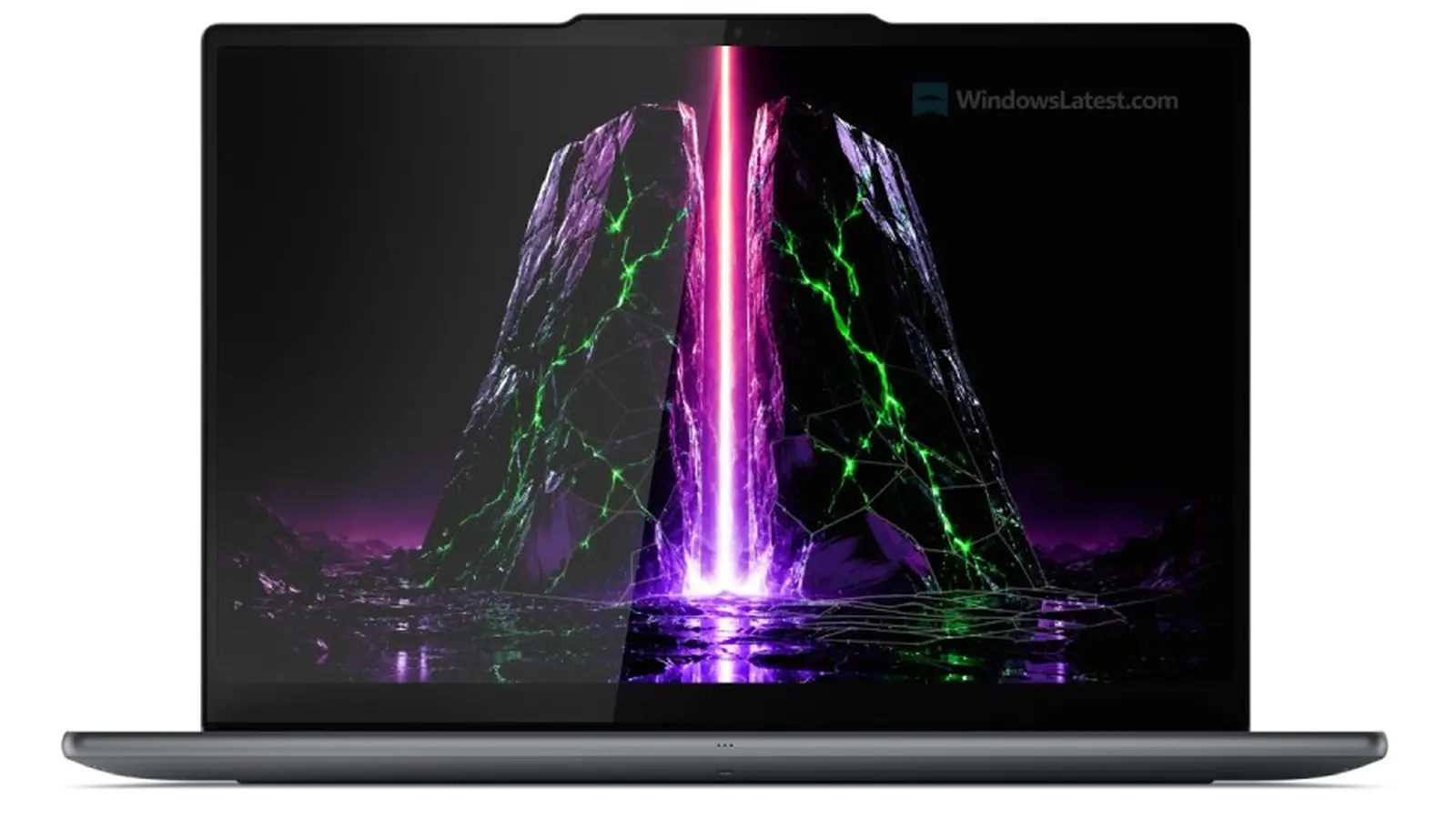
A leaked set of renders has pulled back the curtain on Lenovo's first RTX Spark laptop and the picture is sharper than anyone expected. It looks like a Yoga you know, but built for something new: raw AI muscle in a sleek convertible shell.
What the leaks actually show
Design-wise, the Yoga Pro 9n echoes the Intel-powered Yoga Pro 9i, but Lenovo has trimmed the display to a 15-inch OLED panel, trading a little screen real estate for a more compact footprint. The body is aluminum in a finish the company calls Thunder Gray. There’s a raised strip on the lid that houses a Windows Hello IR camera so face unlock sits front and center.

Heat is the trade-off when you push AI silicon this far. To cope, Lenovo appears to have widened the air intake on the bottom and added a large exhaust vent at the rear. Short story: this machine wants airflow.
Audio and display get premium treatment. The laptop packs six speakers—four woofers plus two tweeters—with Dolby Atmos and Dolby Vision support, and a PureSight Pro display certification. A playful touch: a magnetic slot on the lid that holds the Yoga Pen Gen 2, intended for sketching directly on the touchpad.

Port selection leans practical. On the left edge there’s HDMI, one USB-A, a 10Gbps USB-C, and a headphone jack. The right side adds a full-size SD card slot, another 10Gbps USB-C, a second USB-A, a charging indicator, and a physical camera kill switch.

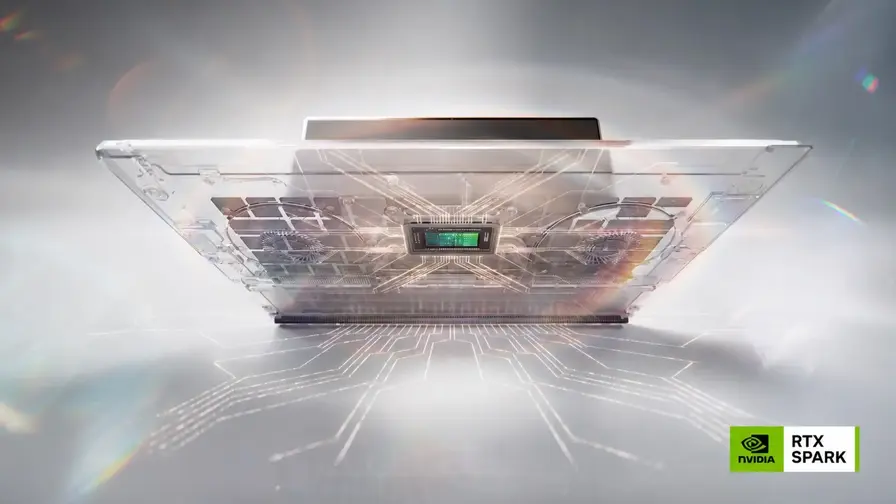
Under the hood is where the real headline lives: the RTX Spark N1X. This top-tier variant pairs a 20-core Grace CPU—ten Cortex-X925 performance cores and ten Cortex-A725 efficiency cores—with a Blackwell GPU carrying 6,144 CUDA cores and fifth-generation Tensor cores. Lenovo’s configuration reportedly supports up to 128GB of unified memory and the chip claims about 1 petaflop of AI performance at FP4 precision.

Is this overkill? Maybe. Is it interesting for creators and researchers who want serious on-device AI horsepower without renting a data center? Definitely.
This could reshape expectations for mobile AI work, bringing data-center scale models closer to a laptop form factor.
Renders are out, so an official announcement seems likely soon. When Lenovo confirms specs and availability, price will matter—but for now the leaks make one thing clear: RTX Spark is pushing laptop design toward a cooler, louder, and more AI-centric future.

“I love exploring gadgets, apps, and trends that redefine how we connect, work, and play in a digital world.”

Discussion
Leave a Comment
Comments
No comments yet. Be the first.