
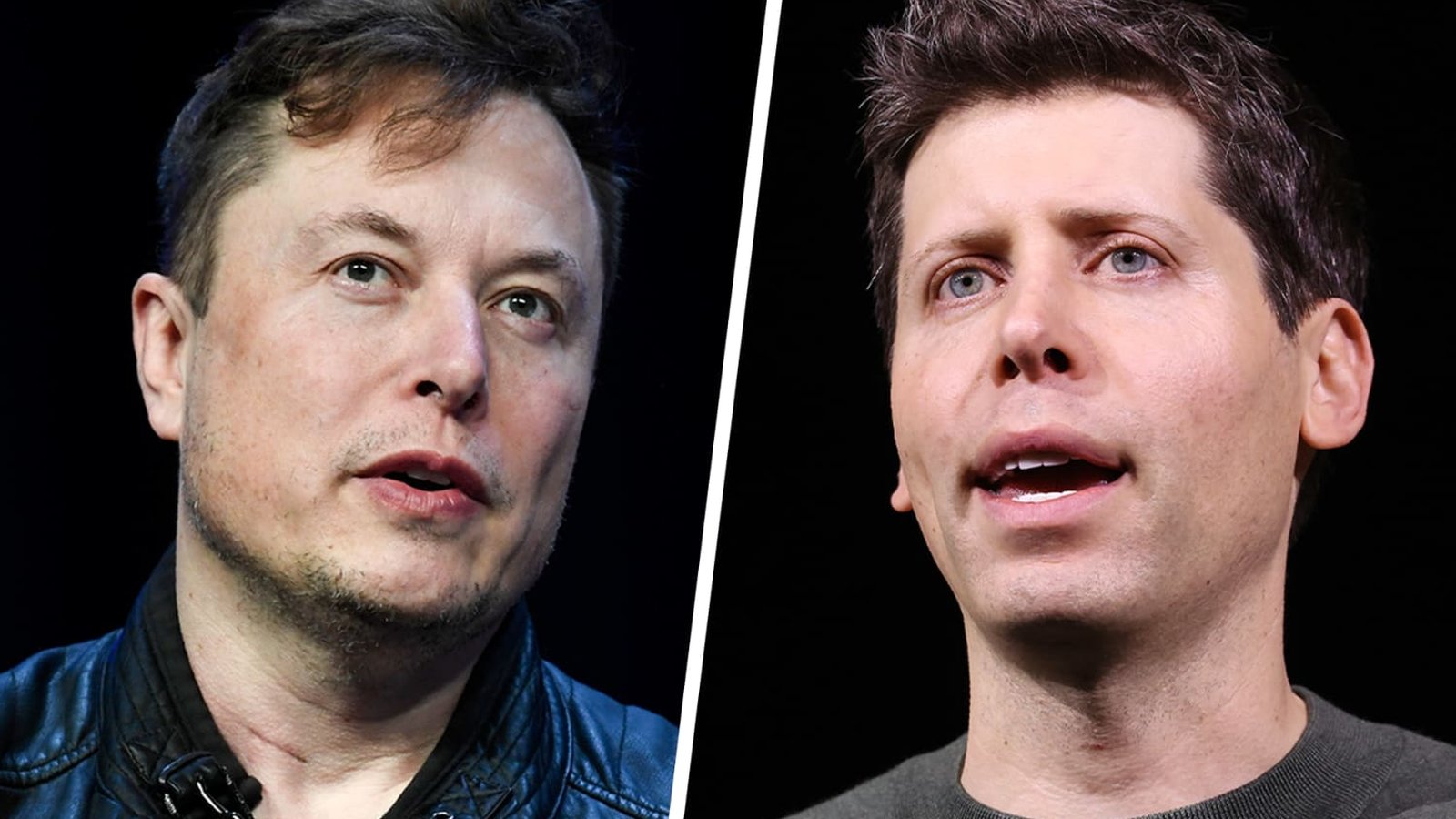
Elon Musk didn't soften his tone. He called OpenAI's leaders 'completely unreliable' and accused them of taking an open nonprofit in a new, profit-driven direction. The comment landed amid fresh controversy over who gets to use powerful AI models and under what rules.
Once a research collective with an open-source ethos, OpenAI has steadily tightened the controls around its most advanced language models. That shift escalated recently when the company halted a commercial integration with the tool Cursor and restricted direct access to its models for third parties. To critics, these moves read like a turn away from the original promise of public, collaborative AI research.
Founders vs. Executors: A story of changing priorities
There is history here. Early supporters and some founding voices saw OpenAI as a safeguard: build powerful systems, but keep them transparent and accessible. The current leadership, led by Sam Altman and Greg Brockman, has steered the organization toward faster commercialization and tighter product controls. Tensions that once simmered now flare into public dispute.

What does Musk's outburst mean beyond headlines? For one, it reframes a debate that goes to the heart of AI policy. Is it acceptable for a group born from nonprofit ideals to adopt business-first practices if that accelerates development? Who watches the watchers when those choices reshape the research landscape? Questions like these are why technologists, policymakers, and crypto-native communities are watching closely.
The Cursor episode is emblematic: a third-party tool reliant on OpenAI's models suddenly loses commercial access. Users and developers feel the impact immediately. Projects stall. Decisions made behind corporate doors ripple outward into ecosystems that assumed a degree of openness. That gap between expectation and action fuels the kind of sharp reaction Musk offered.
For the industry, the conflict exposes a practical tension. Private capital and product timelines can fund rapid progress. Openness and broad oversight promise safety and shared benefit. Rarely do both run on the same schedule. OpenAI's pivot forces a choice—or at least a public negotiation—about which value holds sway.
The dust won't settle fast. More than reputation is at stake: the rules that govern access to transformative AI tools, the legal and ethical frameworks for their use, and the expectations of a global developer community all hang in the balance. Expect this debate to shape not just one company’s future, but the contours of AI governance for years to come.

“I love exploring gadgets, apps, and trends that redefine how we connect, work, and play in a digital world.”

Discussion
Leave a Comment
Comments
No comments yet. Be the first.