
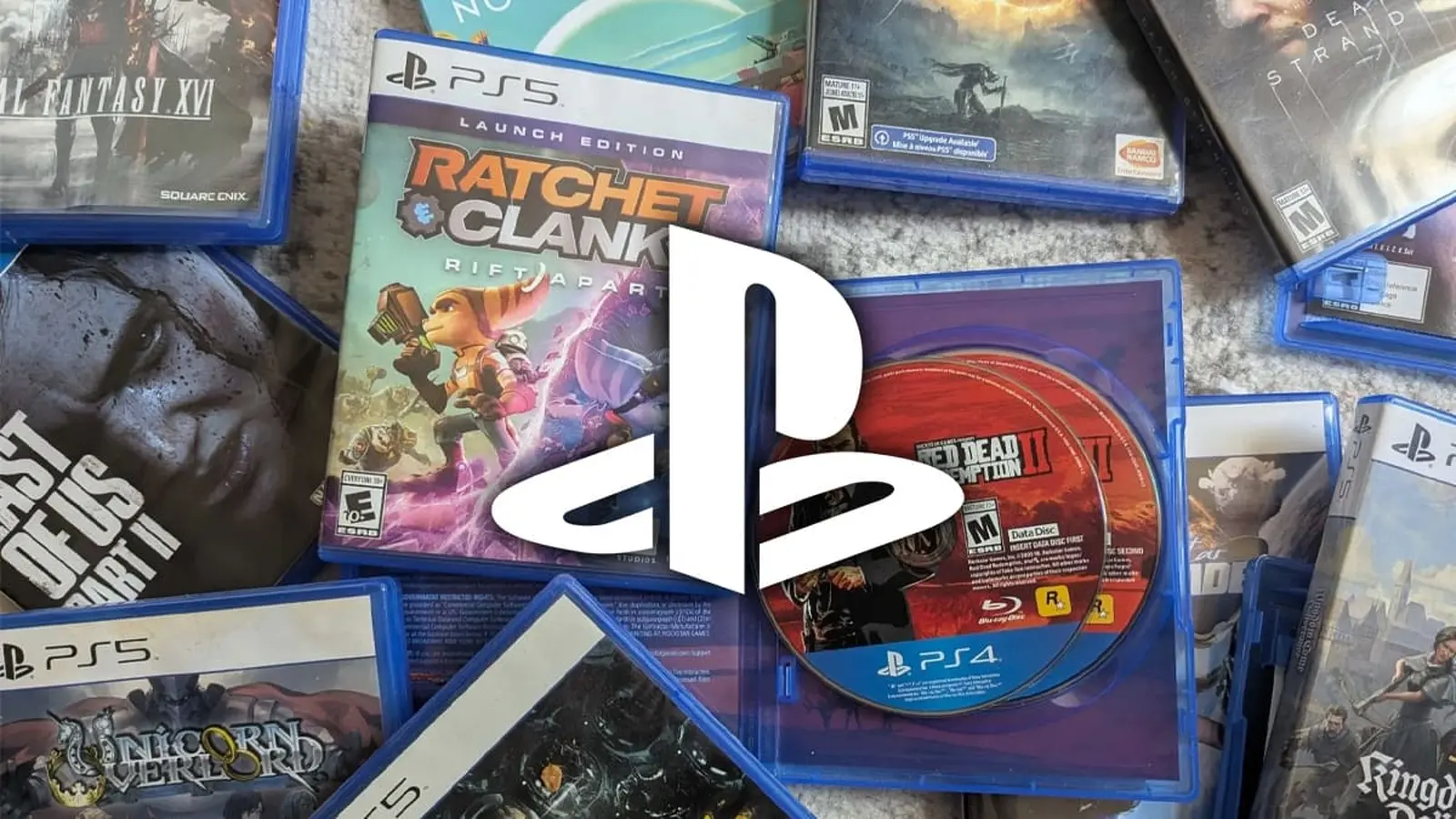
The era of swapping discs and lining shelves with box art feels suddenly out of style. Sony now reports that 82 percent of PlayStation game sales happen digitally, leaving physical discs with just an 18 percent slice of the market. That is not a slow fade. It is a rout.
When discs stopped being the default
Convenience wins. Downloads are instant, libraries are tied to accounts, and online stores make purchasing painless. Short, simple reasons. But the ripple effects are anything but simple. Console makers have already reacted, shipping models without disc drives. Retailers are rethinking floor space. Publishers are retooling distribution plans. Everyone is moving to the same new rhythm.
Former Blizzard president Mike Ybarra captured the unease in a short, blunt reaction. He said he wished physical media would remain, but added that consumer behavior is unmistakable. He also urged the industry to match this digital future with clearer commitments on trust and transparency.
There are implications beyond convenience. The secondhand market weakens when keys and account-bound purchases replace resalable discs. Preservation becomes trickier when games live on servers or behind storefront policies. Collectors will still pay for special editions, but the everyday habits that built gaming culture are shifting.

For developers and platform holders, this is strategic as much as commercial. Digital-first sales boost margins and simplify updates. They also open new expectations: smoother patches, clearer refund policies, and more reliable long-term access. If those expectations are not met, backlash is possible. If they are, the industry may accelerate the shift further.
Which brings us to trust. Will companies treat digital ownership as a durable entitlement or as a temporary license? The answer will shape everything from hardware design to how stores price and promote games. It will also determine whether future generations can experience older titles without hunting down rare discs.
So discs are not dying because of nostalgia. They are being outcompeted by speed, convenience, and the realities of modern distribution. The question now is whether the gaming ecosystem can convert that momentum into a digital marketplace that players actually trust.

“I love exploring gadgets, apps, and trends that redefine how we connect, work, and play in a digital world.”

Discussion
Leave a Comment
Comments
No comments yet. Be the first.