
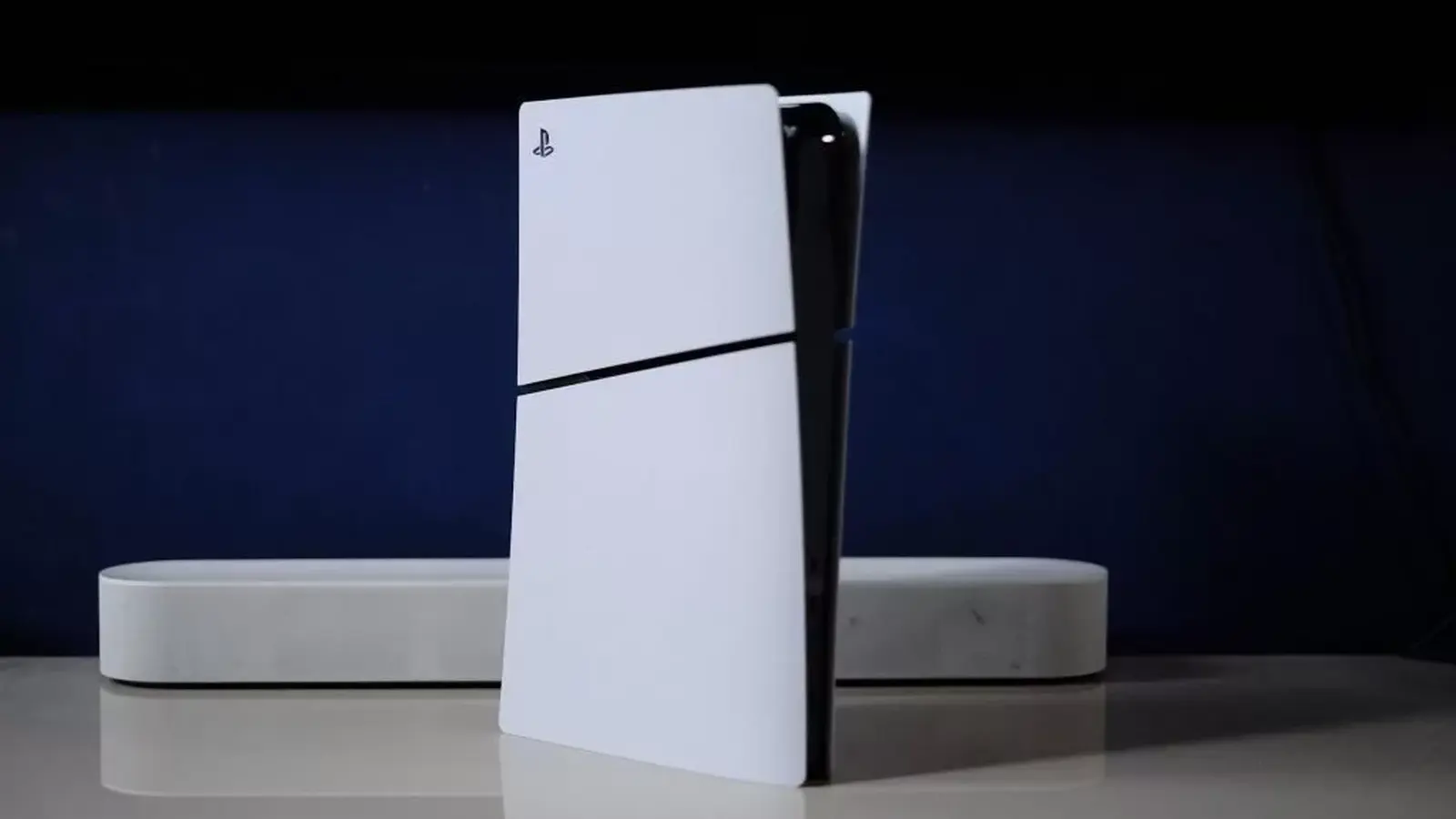
Picture this: a console launch day where the only line is at the download counter. That image used to be science fiction for many collectors and brick-and-mortar fans. Now it feels like a fast-forwarded future.
Not everyone is on board
Sony's decision to stop producing physical PlayStation discs by January 2028 landed like a splash of cold water in parts of the gaming community. Lin Tao, Sony's chief financial officer, says the company weighed the backlash carefully before moving ahead. The bottom line, according to Tao, is that content is steadily moving toward digital distribution, and the shift is not unique to gaming.
That explanation does little to calm collectors who worry about resale markets, true ownership and long-term archiving of games. A vocal faction of players plans a one-week boycott of PlayStation content beginning 23 August to register their dissent. The argument is emotional and practical. Who keeps a digital library when servers change hands? How will secondhand markets adapt? Fair questions, all of them.
Sony has already begun converting one of its disc manufacturing plants to produce optical microlenses. The company frames this as an industrial pivot, a repurposing of capacity rather than simply a surrender of physical media.

Numbers give the decision teeth. In fiscal 2025, Sony reported physical game sales brought in about €719 million. By contrast, digital game sales generated roughly €6.0 billion, and in-game purchases added about €7.73 billion. Those figures explain why a company focused on growth sees more upside in downloads, live services and microtransactions.
Still, raw revenue does not dissolve the cultural value of discs. For many players, a boxed edition is more than a means to play. It is a collectible, a backup, a piece of gaming history. Losing that tangible connection is why this debate has legs beyond spreadsheets.
There is also a technical angle. Digital-first distribution simplifies logistics and reduces manufacturing costs and environmental impacts tied to plastic, packaging and shipping. On the flip side, it increases reliance on network infrastructure and platform holders. You get convenience. You give up some control.
Sony is betting the future of PlayStation is digital, and the company has the revenue data to back that bet.
For consumers, the immediate consequence is practical: expect more promotions tied to digital storefronts, fewer physical collector editions, and a gradual shrinking of secondhand shelves. For the industry, the move signals a wider transition—publishers and platform holders will keep testing how much of their audience will follow.
The story is not finished. A boycott, regulatory scrutiny or a grassroots revival of physical media could influence how fast this transition proceeds. For now, Sony has chosen a cautious, numbers-driven path toward a digital future. The question remains: will players follow, or will they find ways to keep physical games alive?

“I love exploring gadgets, apps, and trends that redefine how we connect, work, and play in a digital world.”

Discussion
Leave a Comment
Comments
No comments yet. Be the first.