
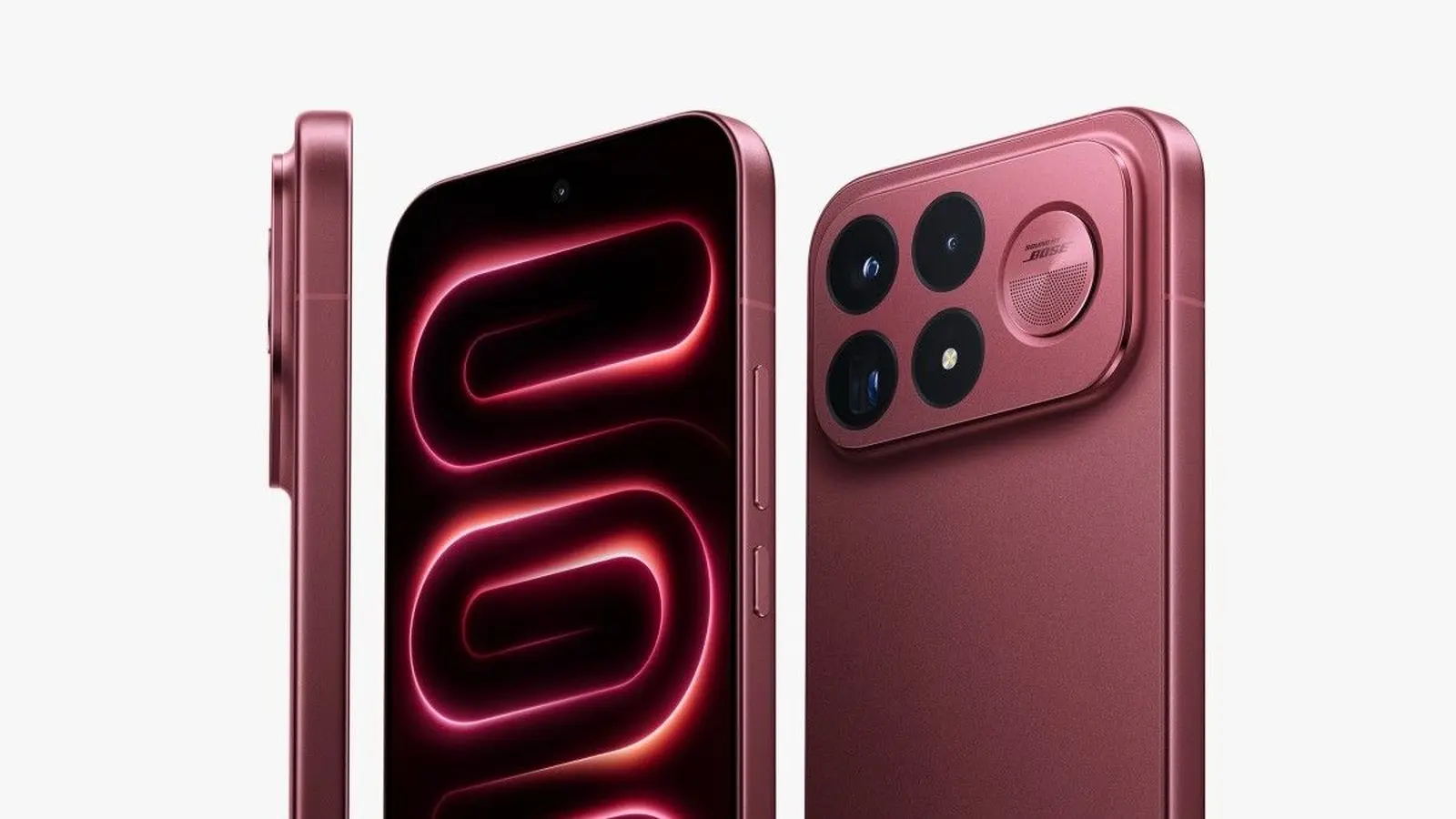
A near-flagship Poco has just left a clear footprint in Geekbench, and it is hard to ignore. A Xiaomi device carrying the model number 26077PC53G has appeared in the benchmarking database, and industry tipster Abhishek Yadav says this is the Poco F9 Ultra. If that ID is correct, we now have an early look at the hardware Xiaomi plans to put into a globally positioned handset under the Poco name.
Numbers that change expectations
The listing confirms Qualcomm's Snapdragon 8 Elite Gen 5 at the helm, paired with an Adreno 840 GPU and a generous 16GB of RAM. In Geekbench it posted roughly 2,980 points in single-core and about 10,030 in multi-core. Short sentence. Big implication: those are flagship-class scores that place the phone among Android's top performers right out of the gate.
Software is modern too. The device is shown running Android 16, which suggests Xiaomi is testing both raw power and the newer platform features before any public reveal. That kind of validation typically happens late in development, so the build is likely well advanced.
Is this a new design or a rebranded familiar? Many signs point to the latter. Earlier leaks have suggested the Poco F9 Ultra will be much like the Redmi K100 Pro Max sold in other markets, reworked for a global audience and fitted with a slightly smaller 8,050 mAh battery. The screen rumors sound impressive: a 6.9-inch AMOLED panel, 1200 by 2608 resolution, an ultra-high 185Hz refresh rate, and peak brightness claims reaching 4,500 nits. Those are the specs that nudge a phone into true multimedia and gaming territory.

Cameras also read like a spec-sheet for serious shooters. Word on the street points to a 200MP main sensor with optical image stabilization, a 50MP periscope telephoto, a 50MP ultrawide, and a 32MP selfie camera. If those sensors and optics translate well in software, Poco could offer a very competitive camera package without demanding flagship pricing.
There are still gaps. No official announcement has landed, and pricing details remain unknown. But a Geekbench appearance is meaningful: it signals performance validation is underway and that Xiaomi is comfortable showing the device to benchmarking tools while finishing final checks.
This looks like a serious contender for buyers who want flagship-level silicon, a blistering display, and a versatile camera system without the absolute top-tier price.
Expect the F9 Ultra, if launched as shown, to compete in the premium slice of the market. It will likely attract customers who prioritize raw processing power and display performance but do not want to pay the highest flagship premiums. Watch for a formal reveal and hands-on reviews to confirm whether the real-world experience matches these promising numbers.

“I cover emerging technologies, digital innovation, and the intersection of tech and everyday life. My goal is to make complex trends accessible and inspiring.”

Discussion
Leave a Comment
Comments
No comments yet. Be the first.