
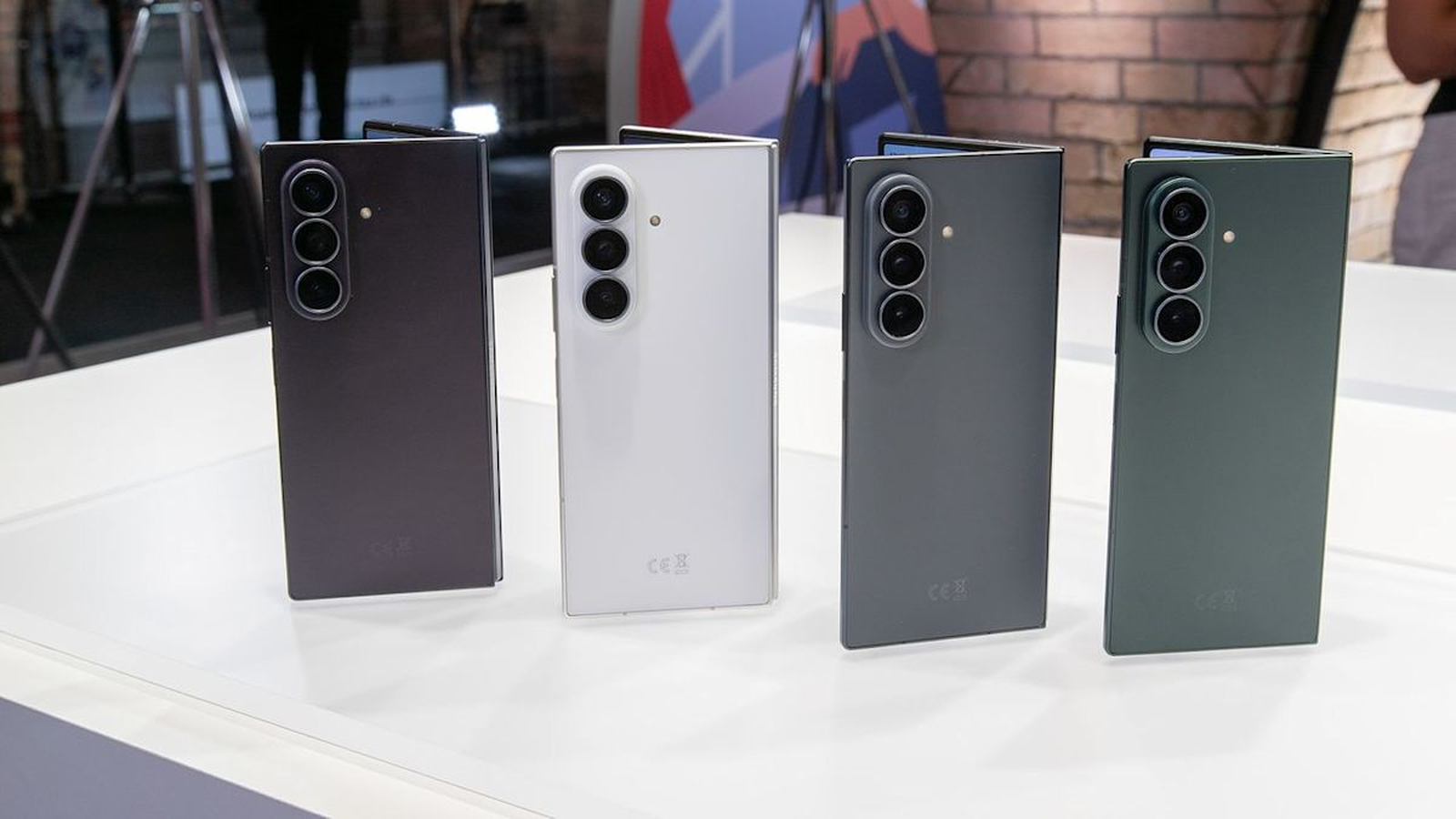
The moment Zack Nelson leaned into the Galaxy Z Fold 8 Ultra, the room held its breath. These tear-down and torture videos are theater for tech obsessives, and up until now Samsung's big foldables usually left the stage intact. Not this time.
When a second bend changes everything
Earlier in August, the standard Galaxy Z Fold 8 walked away from JerryRigEverything's gauntlet with its functionality intact. Grit, scratches, reverse bends: it shrugged them off. The Ultra, Samsung's premium attempt at a tougher, sleeker foldable, arrived with big promises. Armor Aluminum frame. Gorilla Glass Ceramic 3 on the cover screen. A redesigned Armor FlexHinge. Dual titanium layers under the folding panel. Tough-sounding ingredients. Elegant on paper.
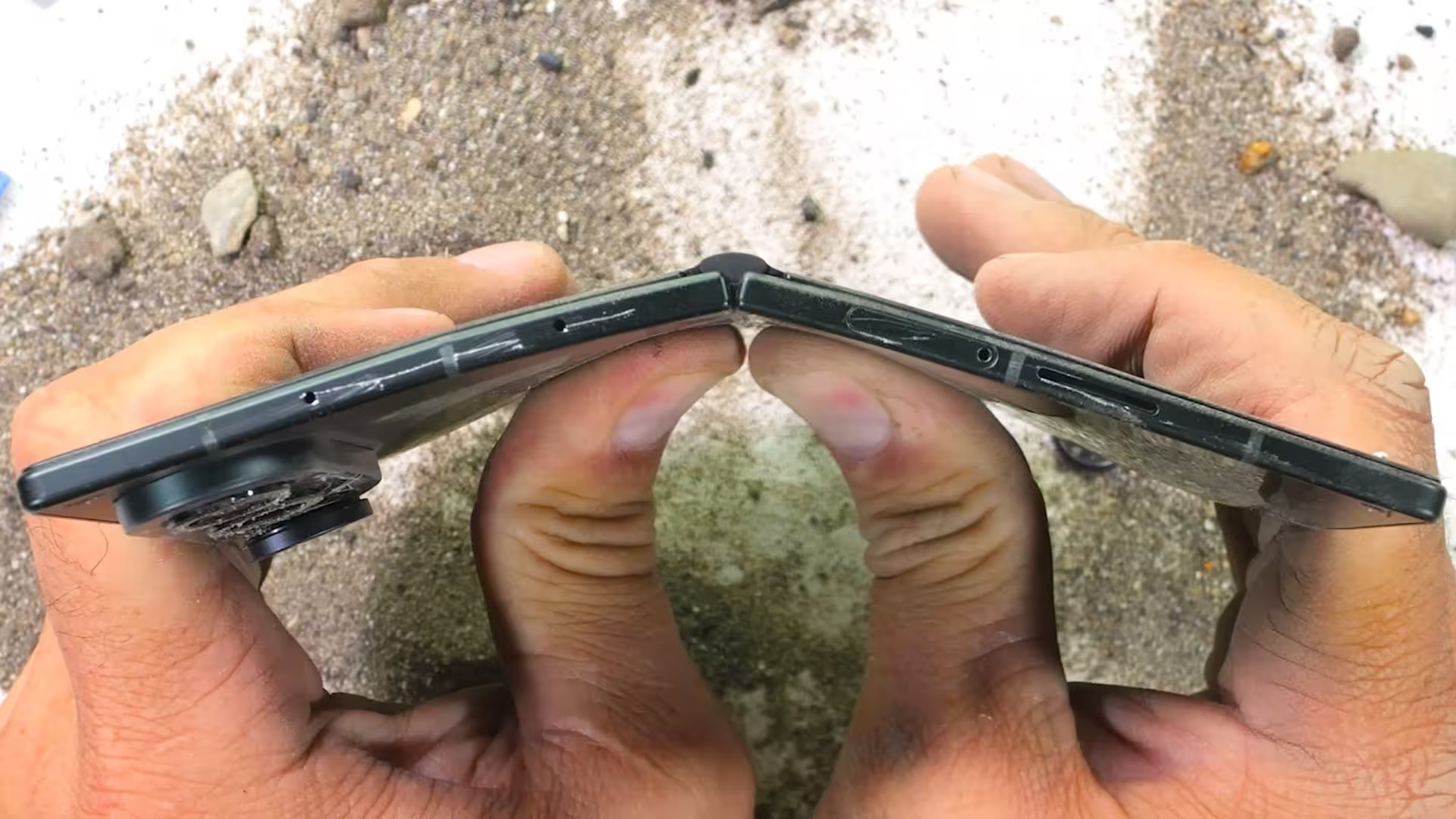
On the test bench the Ultra started off well. The first reverse bend passed without drama. Then came a harder, deliberate bend. The inner display flickered. It went black. Dead. The outer casing flexed noticeably. What looked like incremental stress became a full failure of the main folding display.

So what failed? There are a handful of believable suspects: a torn display flex cable, a tripped fold-detection sensor, or localized pressure where the hinge meets the wafer-thin panel. At 4.1 millimeters when unfolded, the Ultra is a masterclass in thinness. Thin can look gorgeous. Thin can also run out of tolerance under extreme force.
It is a reminder that two phones from the same generation do not always respond the same way under identical punishment. Small changes in hinge geometry, reinforcements below the panel, or even adhesive routing can mean the difference between surviving and going dark.
And the cost of that difference is real. Repairs for foldables remain expensive. Samsung's quoted price for replacing the Galaxy Z Fold 8 Ultra inner display sits at about €594. The cover display is cheaper, roughly €139. Owners do get one inner screen protector replacement free during the first year, after which a replacement runs approximately €18.
Foldables pack two displays, a mechanical hinge and tight tolerances into a single object. That complexity is the source of their appeal and their Achilles heel. When the inner panel goes, fixes are not trivial. That fact sits awkwardly beside marketing that highlights Armor Aluminum and titanium layers. Durability claims matter, but labelling is not a substitute for long-term, real-world resilience.
For shoppers this raises familiar trade-offs. Do you want the slimmest, most refined device available now, accepting the risk that extreme stress can expose unseen weak points? Or would you favor marginally thicker hardware that may survive rough treatment a little better?
Zack Nelson's video is just one test, but it punctures a narrative: premium materials and aggressive thinning do not guarantee invulnerability. Samsung will likely examine the sample and respond. For now, the Fold 8 Ultra's failure is a clear signal that innovation still has hard limits when physics and engineering meet human curiosity.

“I cover emerging technologies, digital innovation, and the intersection of tech and everyday life. My goal is to make complex trends accessible and inspiring.”

Discussion
Leave a Comment
Comments (2)
i've seen thin designs fail under localized pressure in prototypes, adhesive routing & hinge geometry really matter. Slim is sexy, fragile too. sad, but sorta expected
Is this even true? Looks like same gen, totally different result... how repeatable are these torture tests, and €594 to fix? nah