
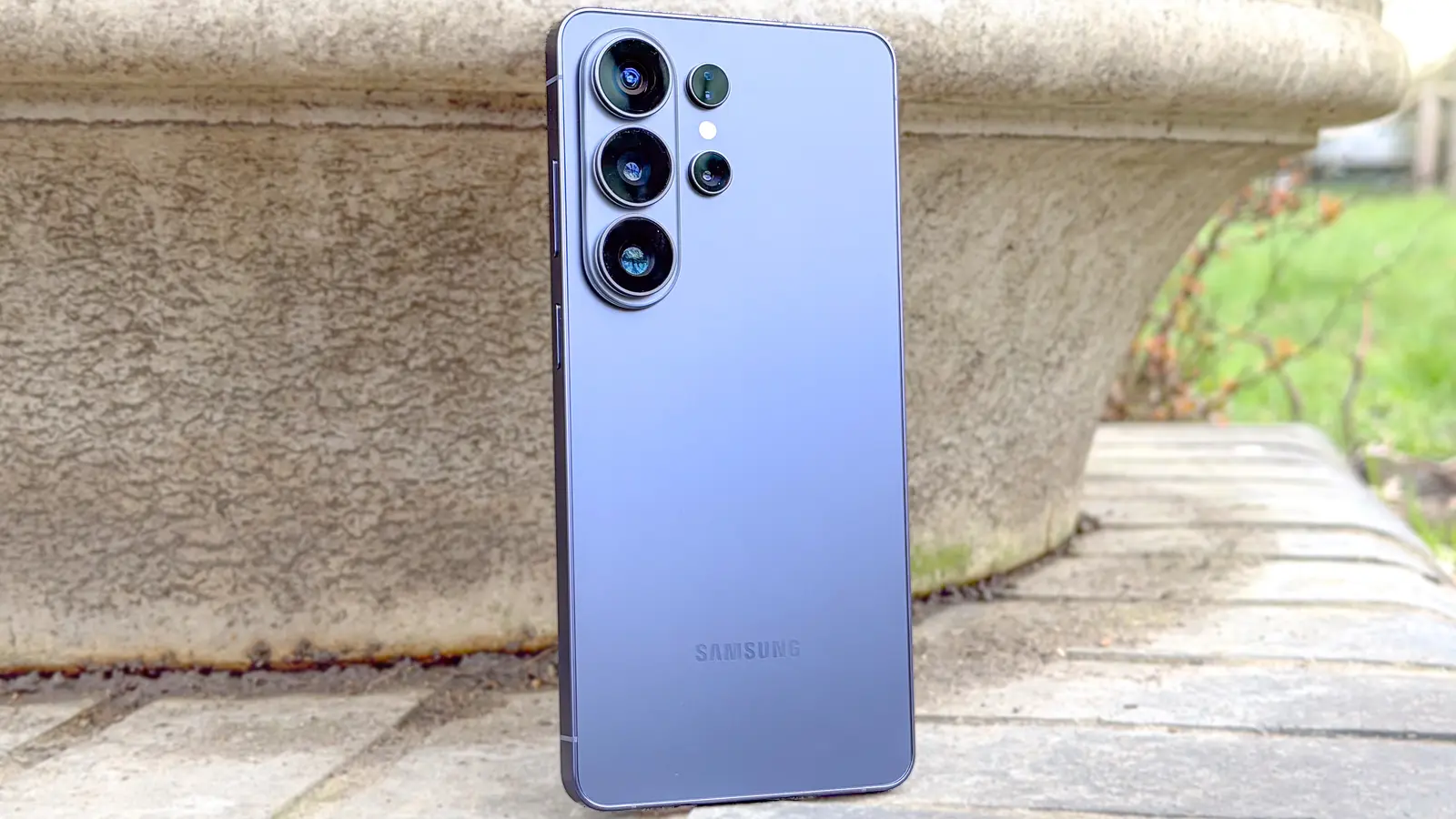
Samsung reportedly plans to drop the 10MP 3x telephoto on S27 Ultra
Rumors circulating from two independent industry sources suggest Samsung is considering removing the long-standing 10MP 3x telephoto camera from the Galaxy S27 Ultra. The 10MP unit, introduced with the Galaxy S21 Ultra generation, has remained largely unchanged since then. According to these reports, Samsung would keep the 200MP main sensor, the 50MP 5x telephoto shooter, and the 50MP ultrawide camera, but there would be no direct replacement for the 3x module.
Background on the sensor and Samsung's rationale
Insiders say the decision is being framed as a cost-saving and product rationalization move. The 10MP module is described as having reached a 'technical saturation point' — meaning incremental gains for that sensor are limited without a full redesign. Samsung's camera roadmap appears to favor higher-resolution main sensors and fewer redundant optical modules, leaning on computational photography and high-resolution crops for mid-range zoom functionality.

Crop-from-main 200MP: a practical alternative
A central argument for removing the 3x telephoto is that cropping from the 200MP main sensor produces superior image quality at medium zoom ranges in most real-world scenarios. With such a high-resolution main sensor, a 2x or even 3x crop can preserve detail while avoiding the optical compromises of an aging 10MP telephoto. For many users, that computational crop will deliver better color, dynamic range, and noise performance than the older dedicated 3x unit.
When cropping makes sense — and when it doesn't
While computational zoom from a 200MP sensor excels in daylight and well-lit situations, optical telephoto lenses still matter for low-light, long-range, and fast-moving subjects. By removing the 3x optical lens, Samsung could leave a noticeable hole between a 2x software crop and the 5x optical telephoto. That gap could be particularly important to photography enthusiasts, pro mobile shooters, and creators preparing high-quality visual assets for NFT drops or metaverse content.
Galaxy S27 Pro: a different trade-off
The same leaks indicate Samsung's Galaxy S27 Pro will inherit much of the Ultra's camera hardware, but with a different telephoto approach. Rather than pairing a 50MP 5x telephoto with the 200MP main, the S27 Pro is said to retain a 12MP 3x shooter alongside the main and ultrawide cameras. This configuration would be an upgrade over some existing mid-tier setups and could offer a practical optical middle ground between a software crop and 5x optical zoom.
Practical impact for mobile photographers and creators

For creators shooting content for social platforms, NFT marketplaces, or AR-ready metaverse experiences, the camera balance matters. A powerful 200MP main sensor with a high-quality 5x telephoto can serve a broad range of needs, but the absence of an optical 3x option could complicate workflows that rely on consistent optical characteristics across focal lengths. That matters when artists and photographers tokenize work or produce visual assets intended for blockchain provenance and marketplaces like OpenSea or other NFT platforms.
Why crypto and Web3 users should care
At first glance, Samsung's camera choices might seem unrelated to the world of blockchain, DeFi, and crypto wallets. In practice, however, mobile camera capabilities increasingly intersect with Web3 use cases. High-quality photography and quick video capture are essential for NFT creation and marketing, while robust cameras improve identity verification flows for decentralized apps and wallet onboarding. Content creators promoting token sales, or projects building in metaverse environments, depend on consistent imaging tools to produce reliable assets.
Mobile hardware as part of the broader blockchain ecosystem
Moreover, smartphone hardware decisions influence user experience in crypto-native apps. A better main sensor simplifies content capture for minting limited-edition NFTs, while improved low-light performance helps livestreams and virtual events used by crypto projects to engage communities. Secure camera integrations also play a role in biometric wallet recovery and identity attestations on permissioned blockchains.
Cost pressures, supply chain, and timeline
Sources attribute the potential removal of the 3x telephoto to cost optimization and the diminishing returns of that specific sensor. Samsung faces competitive pressure to allocate BOM (bill of materials) dollars where they most improve user-perceived value. Removing a redundant module in favor of a stronger main sensor and an effective 5x telephoto can simplify manufacturing and cut costs without dramatically hurting everyday camera performance.
Expect changes before the early 2027 launch
All of the above remains speculative. The Galaxy S27 lineup is still many months from its expected early 2027 debut, and Samsung's plans could shift as testing proceeds and market feedback arrives. New sensor developments, supplier negotiations, or strategic decisions tied to broader mobile trends could alter the final camera configurations.
Bottom line
The reported decision to drop the aging 10MP 3x telephoto from the Galaxy S27 Ultra reflects a broader industry trend: consolidating cameras around high-resolution main sensors and versatile telephoto optics, while relying on computational photography to fill intermediate gaps. For most users — including mobile photographers, NFT creators, and crypto-native content producers — the net effect may be neutral or even positive. Still, the absence of an optical mid-range lens could frustrate those who value consistent optical performance across zoom levels. As always with rumors, readers should treat the reports cautiously and watch for official specifications as Samsung publishes them ahead of the S27 family launch.


“I love exploring gadgets, apps, and trends that redefine how we connect, work, and play in a digital world.”

Discussion
Leave a Comment
Comments
No comments yet. Be the first.