
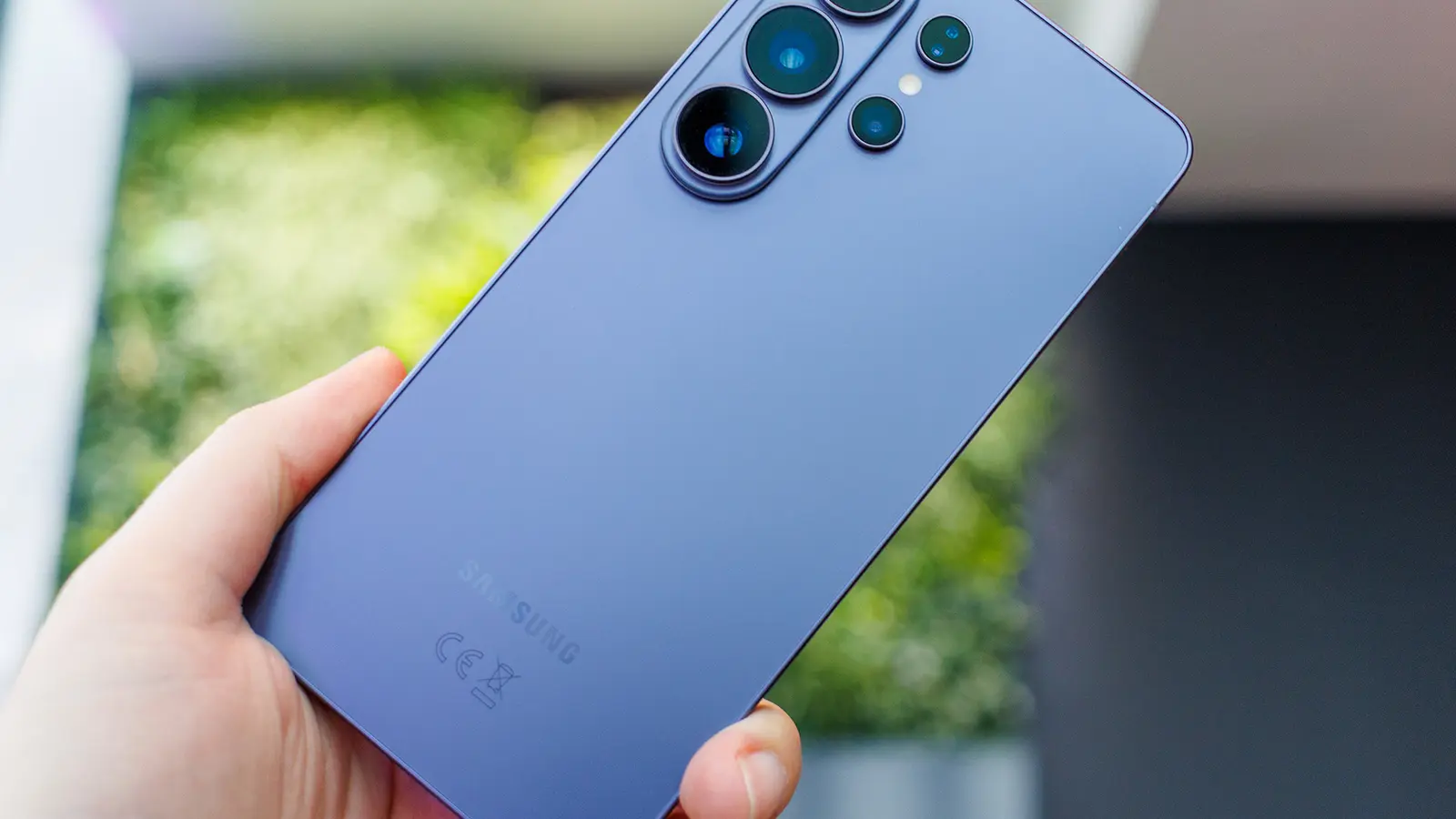
Remember the odd satisfaction of switching apertures on a Galaxy S9? That tactile novelty faded, and Samsung appears ready to keep it that way. New Korean reporting suggests the Galaxy S27 family will not adopt a variable-aperture main camera, even as rivals rumble about similar features for their next flagships.
Why Samsung walked away
Rumors had painted a different picture: a Galaxy S27 Ultra with a 200MP sensor and a variable aperture, a clear nudge at recent chatter around Apple’s iPhone 18 Pro models. But Samsung’s engineers and decision-makers weighed trade-offs and made a pragmatic call. The variable aperture would raise production costs and produce thicker camera modules — an ugly compromise when COVID-era supply shocks and higher DRAM prices are still squeezing margins.
There’s also a performance calculus. Variable aperture can offer optical flexibility, sure. But for modern smartphone photography the practical gains are often marginal. Software-driven tricks, larger sensors, smarter pixel-binning, and improved stabilization typically deliver more visible results to everyday users than an extra mechanical element that adds weight, cost, and manufacturing complexity.

Samsung isn’t naive about the feature’s history. The company experimented with adjustable apertures on the Galaxy S9 and S10. The idea sounded promising, but it didn’t stick. Experience matters. Today’s choice seems less about fear of missing out and more about focusing resources where they matter most for image quality and production efficiency.
So what does this mean for buyers and the market? Expect Samsung to double down on sensor tech and computational photography rather than resurrect mechanical aperture systems. That could mean bigger sensors, smarter noise reduction, faster image pipelines, or improved zoom and stabilization hardware — changes most users will notice in day-to-day shooting.
Does this end the arms race in camera gimmicks? Not at all. Manufacturers will keep chasing headlines: impressive megapixel counts, new zoom tricks, and clever AI processing. But for the S27 generation, Samsung’s bet is clear: smaller, smarter engineering moves beat bulky mechanical additions.
Samsung judged the trade-offs weren’t worth it and chose a cleaner path toward practical camera improvements.
In short, the Galaxy S27 story isn’t about a missing feature so much as a company prioritizing where to spend its engineering capital. Fans who want experimental optics may still find them elsewhere, but mainstream improvements are more likely to come from silicon and software than from a rotating aperture ring.

“I love exploring gadgets, apps, and trends that redefine how we connect, work, and play in a digital world.”

Discussion
Leave a Comment
Comments
No comments yet. Be the first.