
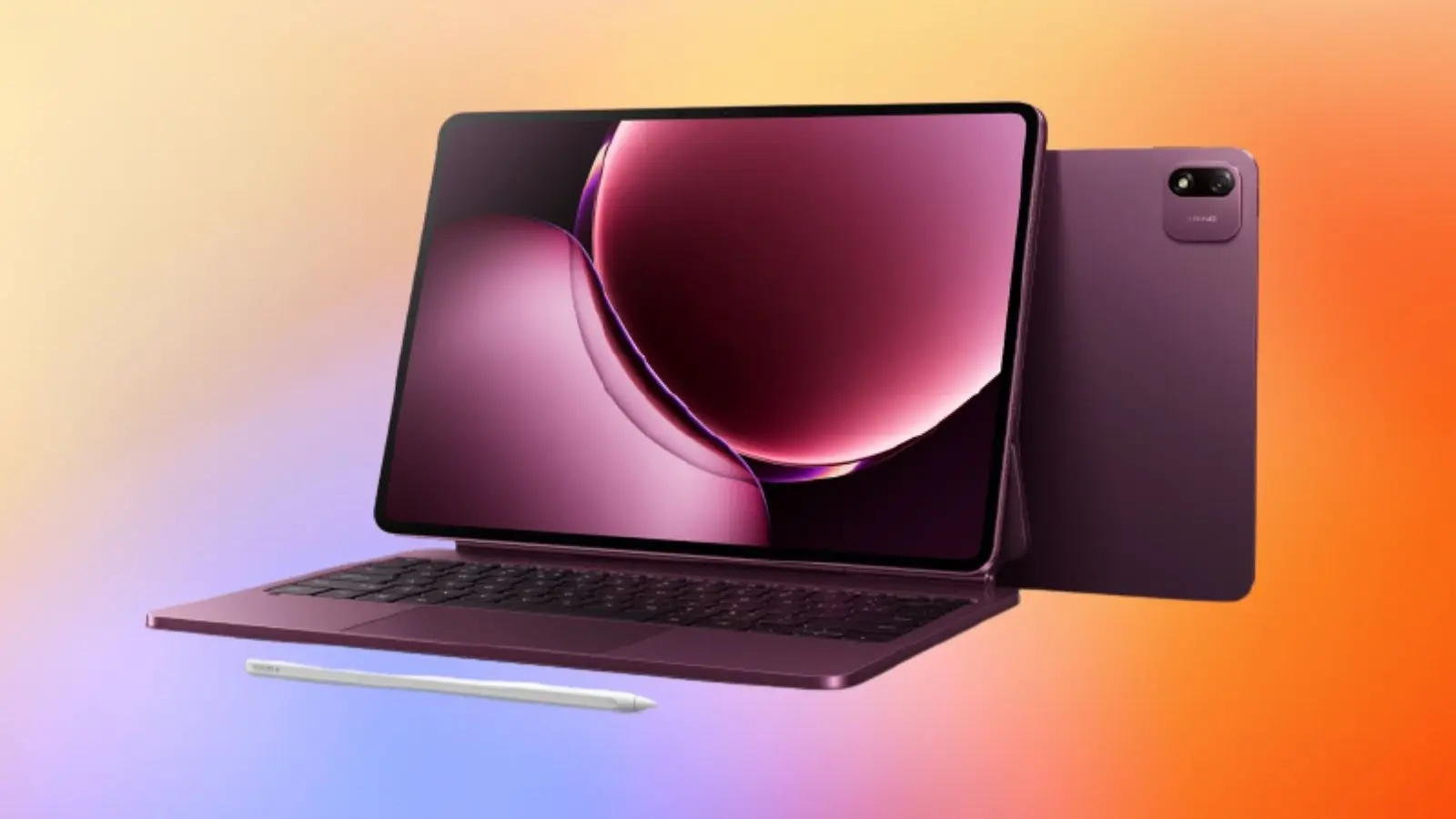
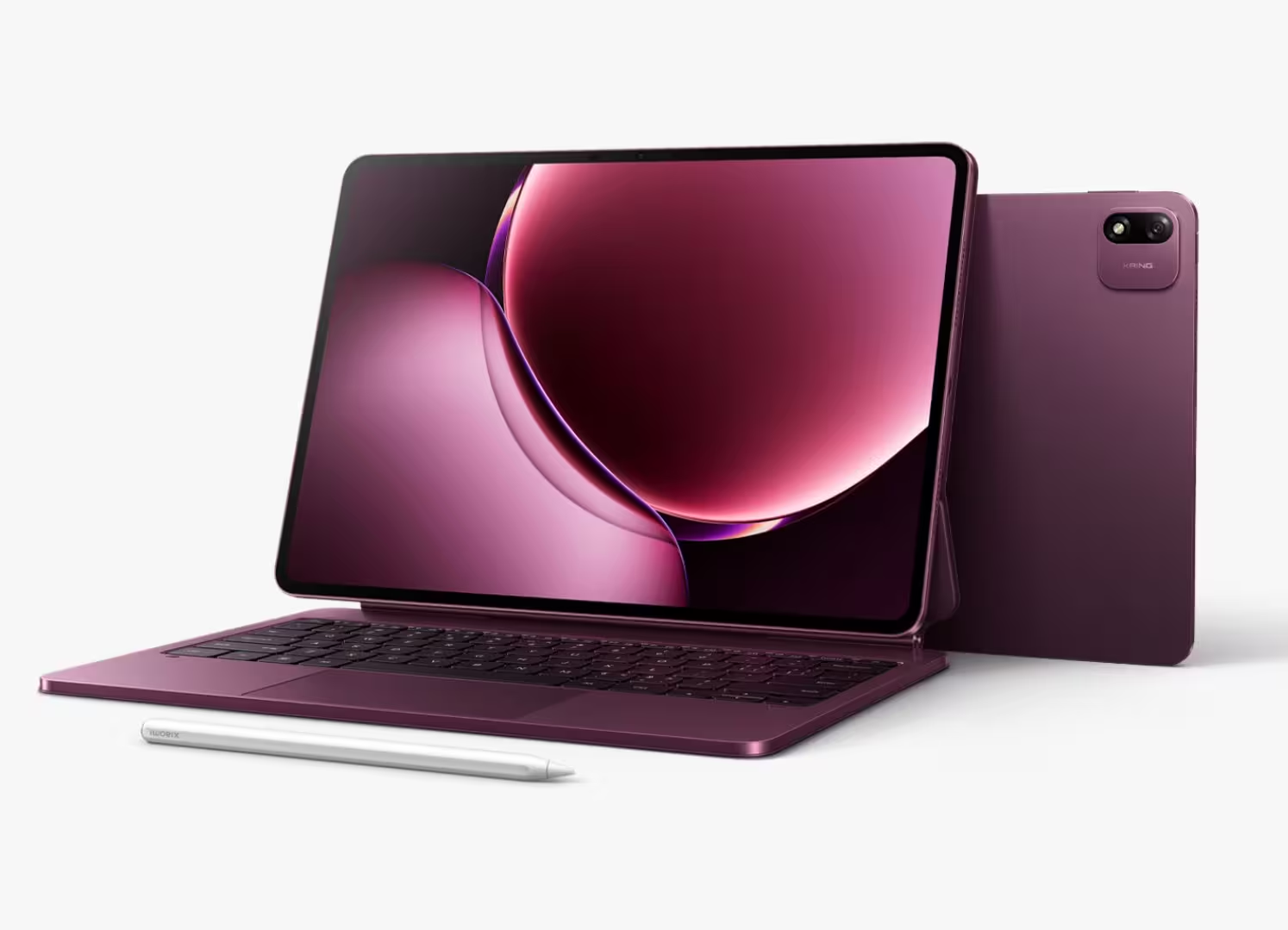
A tablet that looks like a portable canvas and promises laptop-class grunt is coming. Xiaomi's Pad 9 Pro Max stretches the company’s tablet ambitions into new territory, trading compact portability for a sprawling 13.3-inch display and hardware that reads more like a mini desktop than a slate.
Big screen, bigger intentions
The display is LCD, and at 13.3 inches it gives you room to run full desktop-style apps, edit high-resolution media, or keep multiple windows open without feeling cramped. Xiaomi is pitching this as a productivity-first device, one that nudges the tablet closer to what people have long expected from ultra-portable work machines.
Under the hood, the headline is the new Xring O3. This is Xiaomi’s in-house flagship silicon: a 10-core, all-big-core CPU that can peak at 4.35 GHz and a 16-core G2-Ultra NX GPU. Xiaomi claims the chip brings a marked leap in graphics throughput—an 85% uplift over the prior generation while trimming power draw by roughly 64%. Early benchmark leaks even put the GPU in strikingly competitive territory against Apple’s A19 Pro, though real-world behavior will be the true test.
Could a tablet finally shoulder serious desktop tasks? With that silicon and a software story tailored to big displays, Xiaomi is making a strong case.
Software geared toward work, not just media
HyperOS 4 arrives tuned for large-screen workflows. Xiaomi says the OS will better handle PC-level applications, refine window management, and smooth the interaction between stylus, keyboard and touch. Expect features aimed at multitasking and content creation: picture-in-picture, drag-and-drop between apps, and deeper external-display support. A soft-light display option is also in the cards for users who spend long hours reading or sketching.
On the storage and endurance front the Pad 9 Pro Max looks well equipped. Battery capacity is reported to exceed 10,000 mAh, with support for 120W wired charging to cut downtime. Storage choices should include 512 GB and 1 TB, while the device is targeted to weigh in at roughly 650 grams — manageable given its size.

Design reveals so far show a clean, utilitarian slate with thin bezels that emphasize the screen. Xiaomi plans to unveil the tablet in China on September 7, launching it alongside the Xiaomi 18 Fold family.
There are still open questions. Thermal limits during sustained workloads, real-world battery life when driving demanding apps, and the depth of third-party support for full desktop apps will determine whether this Pad is a true laptop alternative or a very powerful tablet with big ambitions. Either way, Xiaomi has shifted the conversation: tablets are no longer just for media and light productivity. They might be convincing substitutes for some users’ laptops after all.

“I love exploring gadgets, apps, and trends that redefine how we connect, work, and play in a digital world.”

Discussion
Leave a Comment
Comments
No comments yet. Be the first.