
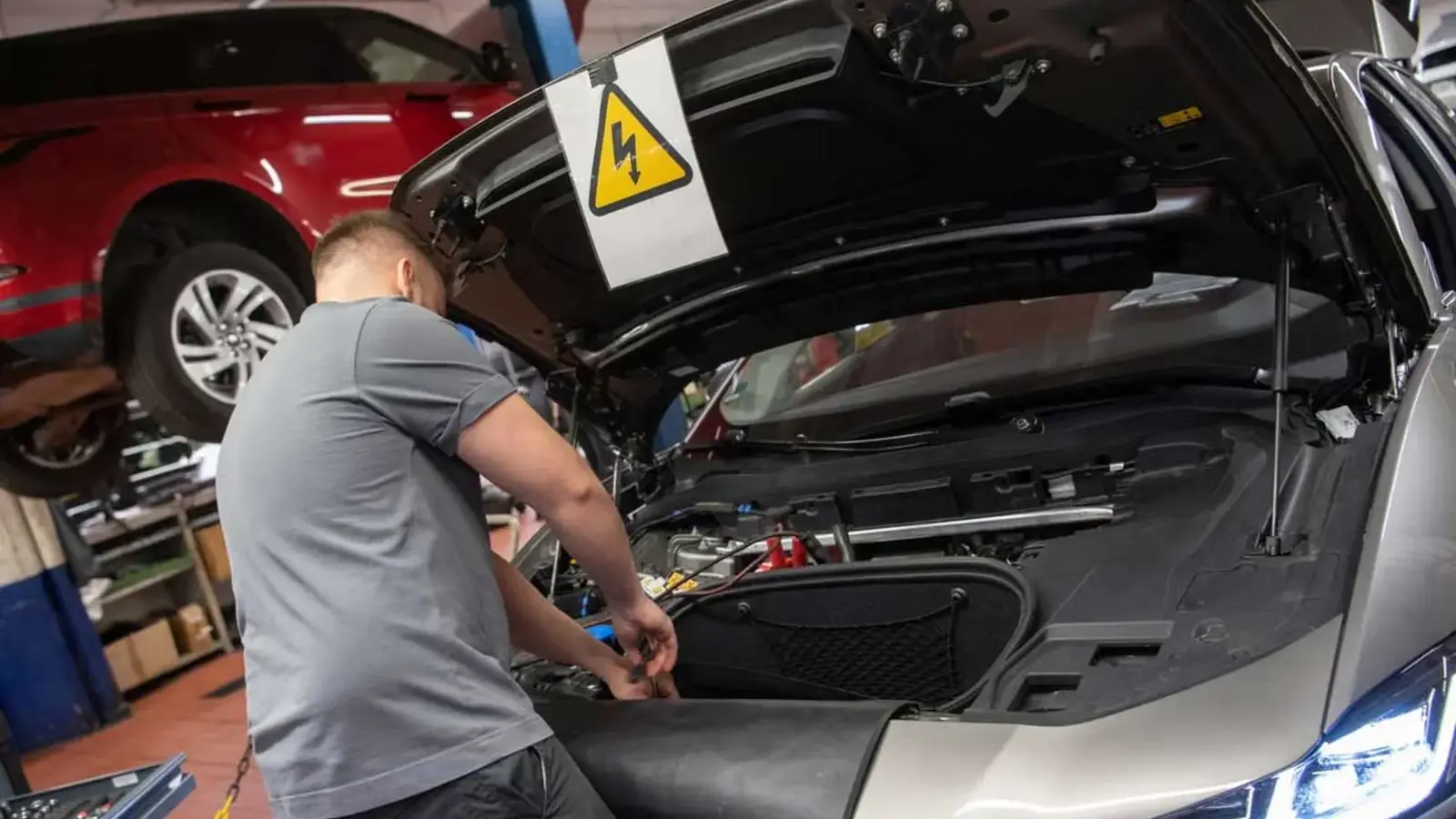
EV repairs are improving — but still slower
Repair costs for electric vehicles (EVs) have edged down recently, but owners are facing a different headache: longer repair times. A new Mitchell report shows the average repair bill for EVs in the U.S. dropped by about $400 to $6,395. That reduction is welcome, but the real friction point is turnaround time at body shops and service centers.
Complex electronics, sensors and calibration — the hidden delay
Modern cars — and EVs in particular — are packed with sensors, radar, cameras and sophisticated software. That sensor-centric architecture and dense electrical design means even minor collisions often require extensive diagnostic work and multiple calibrations. Ryan Mandel, Vice President at Mitchell, notes that these vehicles need extra fault isolation and calibration steps that increase cost, complexity and time in the shop.

Imagine a small crash that knocks a vehicle’s sensor array “out of tune.” Battery management sensors, motor feedback units, suspension position sensors and ADAS cameras may all require recalibration. This is not always a one-and-done process: an EV on average needs about 1.70 calibration events after a crash compared with 1.54 for gasoline cars. Those seemingly small differences add up to days or even weeks of extra downtime for owners.
Why proprietary systems slow things further
Another factor is manufacturer-specific software and hardware. Some automakers use proprietary diagnostic systems or locked-down firmware that limit which repair shops can perform calibrations. That forces vehicles to wait for authorized dealers or certified technicians, lengthening lead times for parts and labor.
Key issues that add repair time to EVs:
- Complex electrical architecture and high-voltage systems
- Interdependent sensors and ADAS calibration requirements
- Manufacturer-specific diagnostic tools and proprietary software
- Scarcity of trained EV technicians at some independent shops
Long-term maintenance vs. collision repairs
It’s not all downside for EV owners. Multiple studies show that routine maintenance for electric cars tends to be cheaper than for internal-combustion vehicles. Electric motors require little scheduled service, and depending on local electricity prices, charging can be noticeably cheaper than filling a gasoline tank. However, when collision repairs are required, EVs often cost more and take longer to fix.
CDK Global’s analysis finds that non-Tesla EV owners wait on average 34% longer than gasoline-car owners for their vehicles to be returned from repair. Tesla owners also experience longer delays — about 23% more waiting time — due in part to centralized service networks and OTA software dependencies.

What buyers and owners should consider
If you’re shopping for an electric car, factor service network and repair logistics into your decision, not just range and performance. Practical steps to reduce future downtime include:
- Choosing a brand with a wide, certified service network
- Checking insurance policies for rental or extended downtime coverage
- Considering extended warranties or service plans that include ADAS calibration
- Asking dealers about typical repair lead times and parts availability
Quote: “EVs need additional diagnostic and calibration work that raises repair time and cost,” says industry analyst Ryan Mandel — a simple summary of a complex trend.
EVs are already mainstream thanks to quiet, instant torque and lower routine maintenance. But until the repair industry fully adapts — with more trained technicians, better third-party tooling and more open software standards — buyers should be prepared for longer waits in the shop after an accident. That extra patience may be the price of admission for a greener, high-tech driving experience.

“Cars are evolving faster than ever. I cover electric vehicles, smart mobility, and the future of transportation worldwide.”

Discussion
Leave a Comment
Comments (2)
Had a buddy's EV at the shop 3 weeks for ADAS recalib, dealer was totally backlogged. Insurance gave a rental luckily, but that wait wrecked a vacation. Check service network!
Wait, so EVs cheaper to run but can sit in shop for weeks after a small crash? Sounds off. Who trains all these indie techs, when will third party tools catch up? idk..