
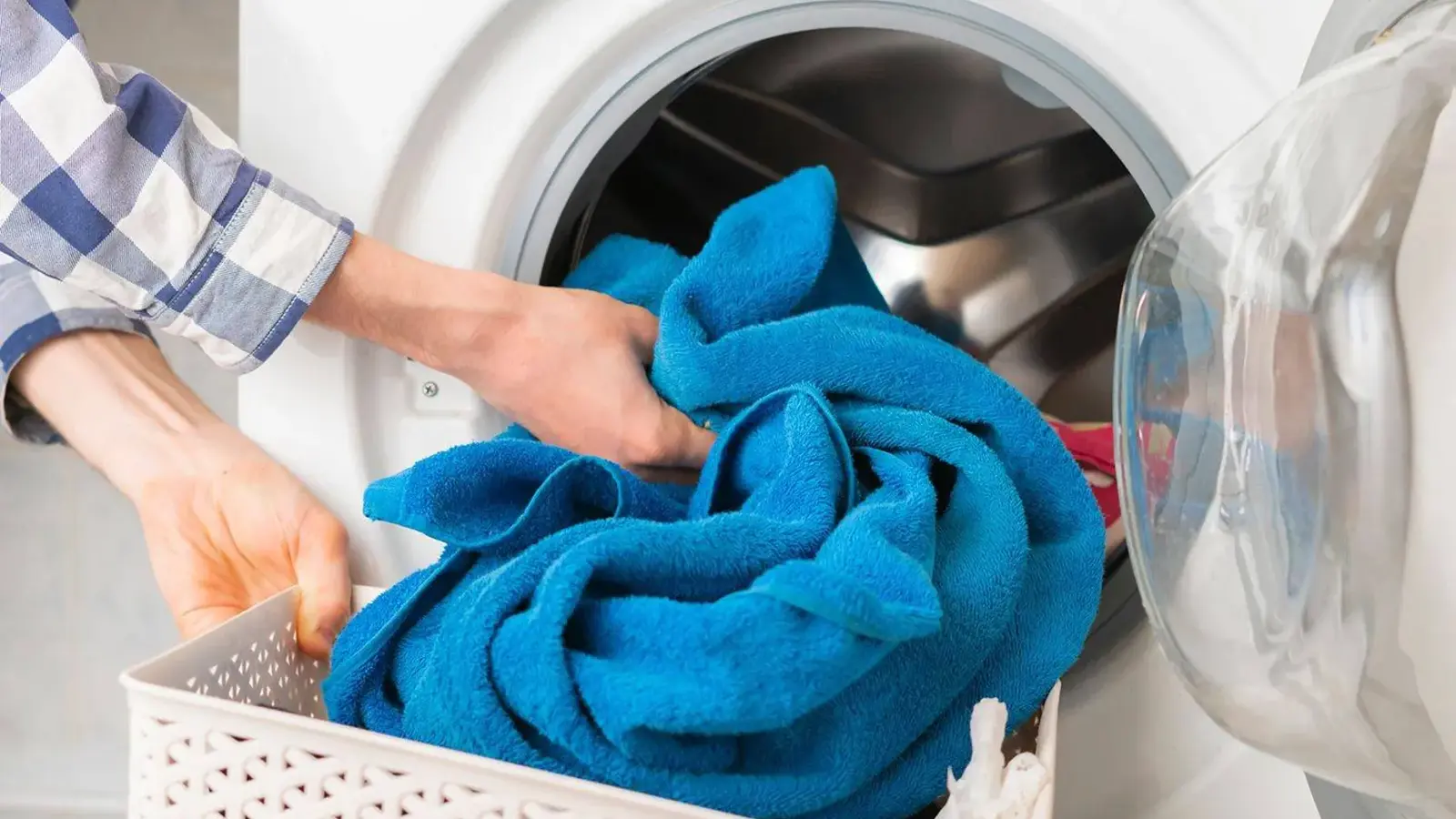
Imagine a shirt that sheds ketchup, oil, and sweat with nothing more than a quick rinse. It sounds like laundry day made trivial, but a team of materials scientists in China has moved that idea toward reality.
How a thin polymer skin changes the rules
Researchers led by Chongling Cheng at Southeast University and Dayang Wang at Jilin University developed an ultrathin coating for textiles that organizes water molecules into a stable hydration layer on the fabric surface. They describe this arrangement as a molecular water armor. Instead of making fabrics repel water outright like conventional waterproof textiles, this approach creates an active, water-rich barrier that prevents common stains from bonding to fibers.
The method deposits alternating layers of positively and negatively charged polymers by spraying. The multilayer structure produces a surface dense in sulfonate groups, chemical sites that attract and orient water molecules. The result is a persistent, nanometer-thick film of structured water that acts both physically and chemically to block contact between soiling agents and textile fibers. Lipids, sauces, sweat, and even microbes have a much weaker hold on the treated surface, so they wash away with flowing water.
Laboratory tests and environmental implications
In controlled experiments the team coated cotton, silk, and polyester samples and then stained them with typical household soils such as ketchup, cooking oil, and soy sauce. The coated textiles were rinsed with plain water and, in many cases, cleaned as well as or better than identical samples laundered with detergent. Oil stains in particular were easier to remove from the treated fabrics.

This coating could cut household washing water and energy use by over 82 percent.
Beyond stain removal, the coating reduced the release of microplastic fibers during washing. Microscopic particles became entrapped within the multilayer surface and did not enter wastewater in the same quantities as from untreated textiles. The researchers estimate that widespread adoption could substantially reduce water demand and energy consumption in home laundering, because clothes would need fewer detergent cycles and shorter washes.
Durability tests show promising longevity. The nanometer-scale film retained surface activity after more than 100 wash cycles in lab conditions, and early safety screens did not raise skin-contact concerns. Manufacturers will face higher initial production costs today, but the team projects a payback point after roughly 15 washing cycles when lower detergent use and energy savings are accounted for.
Why this is different from simple water repellency
Hydrophobic fabrics work by making water bead and run off, protecting the material from getting wet. This new treatment is not primarily about shedding water. Instead, it uses a hydrated layer to prevent contaminants from sticking in the first place. Think of it as lubrication at the molecular scale: contaminants slide away rather than adhering. That distinction matters for oils and protein-based stains that often cling even when surfaces are water-repellent.
The coating also limits microbial attachment. By discouraging skin cells, sweat residues, and microbes from sticking, treated garments lose odor and are less hospitable to mold and fungal growth during storage. That opens use cases for sportswear, medical textiles, and long-term garments where freshness and hygiene are critical.
Expert Insight
"Stopping stains before they start was our guiding principle," says Chongling Cheng. "When the surface does not let contaminants attach, cleaning becomes a matter of rinse and go." Dayang Wang adds that independent testing and public demonstrations will be important to build consumer trust, since many people associate foamy detergent and scent with cleanliness.
Dr. Elena Morales, a textile chemist unaffiliated with the study, comments: "This is a clever use of polymer chemistry to control interfacial water. If scale-up and lifecycle assessments hold up, it could shift how we think about textile maintenance and wastewater footprints."
What comes next
The work, published in Communications Chemistry, is a proof of concept. The immediate priorities are broader field trials under real consumer conditions, independent safety and environmental evaluations, and optimization of manufacturing pathways to lower cost and improve uniformity on large-scale fabrics. Researchers will also study long-term environmental fate and recyclability of coated textiles to ensure the net benefit is positive.
Related efforts in the textile industry are exploring antimicrobial finishes, stain-resistant nanocoatings, and biodegradable polymer treatments. What sets this technique apart is its reliance on organizing water at the surface rather than simply adding repellency or biocidal chemistry. That makes the mechanism conceptually elegant and, potentially, less reliant on harsh additives.
Conclusion
The molecular water armor concept reframes an everyday problem. By engineering how water sits at a fabric interface, scientists have produced a thin, durable shield that keeps stains from bonding and helps garments wash clean with plain water. There are still hurdles to overcome before you can toss your detergent, but the early data points to substantial environmental and practical benefits if the technology proves scalable and safe in wider use.

“The cosmos has always fascinated me. I write about space missions, astronomy, and the technologies pushing humanity beyond Earth.”

Discussion
Leave a Comment
Comments (2)
Seems neat but is that polymer really eco friendly? where do trapped microfibers end up, in the coating or later?
wow this could change laundry forever! water armor, huh? hope it survives real life abrasion and sweat, not just lab rinses...