
6 Minutes
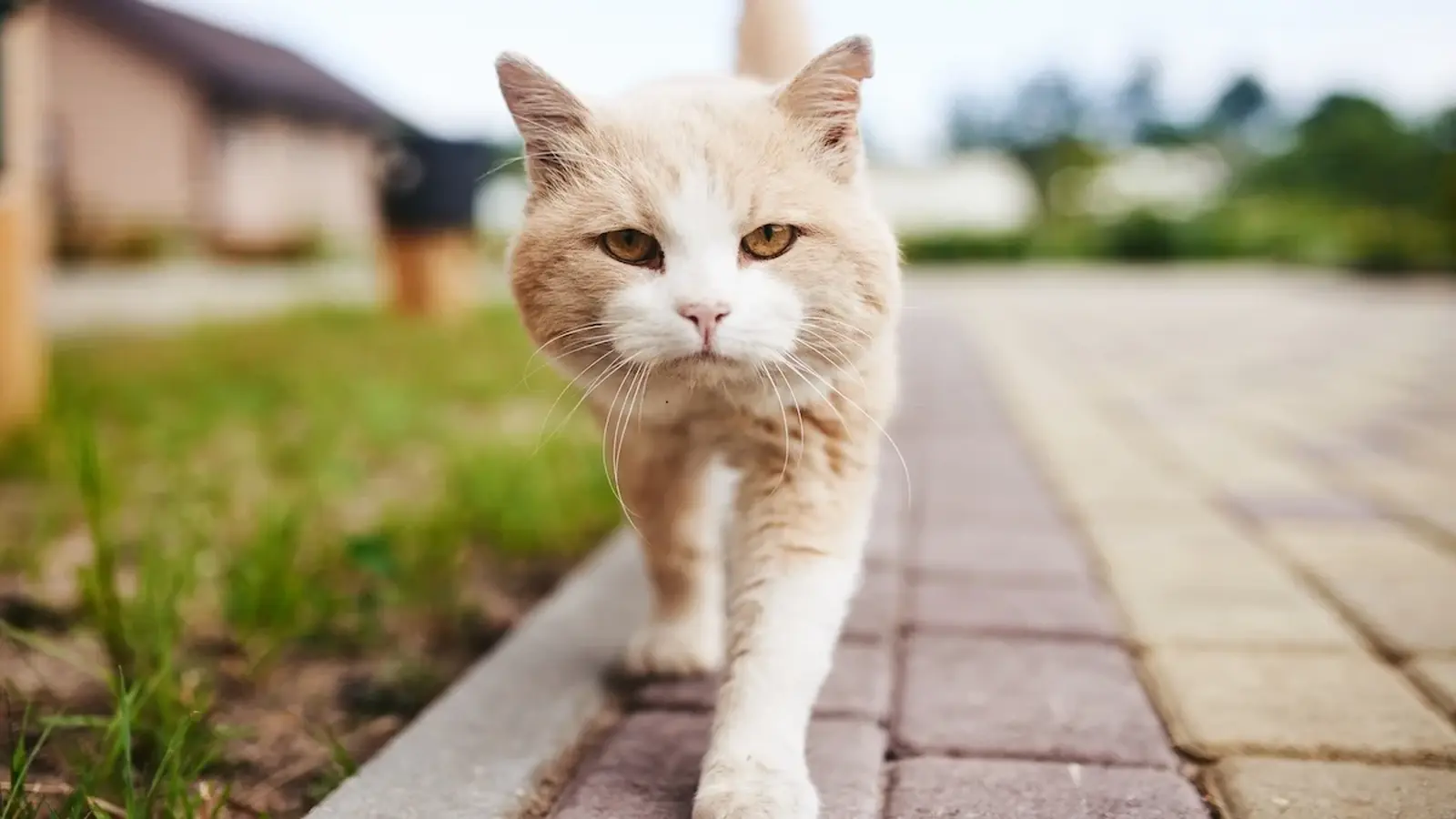
A quiet evening. A cat slips out through the cat flap and vanishes into the hedgerow. You picture a small predator on a moonlit prowl. Few of us imagine it as a courier for invisible microbes with the potential to reach our homes and our children.
How a roaming cat becomes a public health vector
Scientists who track disease at the interface of wildlife, domestic animals and people have a blunt message: where animals mingle, pathogens follow. Domestic cats, because they live so close to people and regularly range across gardens, parks and wild edges, are uniquely positioned to pick up and move infectious agents.
Researchers aggregated data from more than 400 studies and found nearly 100 pathogens in cats that are known to infect humans. Familiar names appear on the list: rabies, Toxoplasma gondii, intestinal roundworms and Salmonella. But beyond the list are dynamics that matter more for risk management. Outdoor-roaming pet cats had three to five times the odds of carrying a zoonotic pathogen compared with indoor-only cats. Surprisingly, owned cats allowed to roam had comparable odds of carrying at least one zoonotic agent as feral cats. In other words, ownership does not insulate a roaming cat from the microbial hazards of the outdoors.

Why does this happen? The mechanisms are simple and repeated. Cats hunt rodents, birds and even bats—species that themselves harbor viruses, bacteria and parasites. Many prey species have minimal direct contact with people. A cat that returns home with a captured mouse or bat creates a bridge: an agent that was circulating in a wild population now has a pathway into the human household.
Roaming cats also defecate where people and companion animals walk, play and garden. One study estimated outdoor cats deposit more than 60 tonnes of feces per 10,000 households each year. Depending on the pathogen, feces can contain hundreds to hundreds of thousands of parasite eggs that persist in soil and water for months or years. Those eggs can remain infectious to children, pets and wildlife long after the cat has moved on.
Practical steps for owners and communities
That does not mean banning outdoor time. It does mean rethinking how access is provided. The simplest, most humane and cost-effective intervention is to prevent unsupervised roaming. Controlled outdoor access can look like a catio, a secure enclosure attached to the house, or supervised leash walks. Enclosed outdoor spaces let cats express natural behaviors—climbing, stalking, sunning—without turning them into vectors or wildlife predators.
At-home precautions
- Keep cats primarily indoors or provide enclosed outdoor spaces.
- Maintain regular veterinary care: vaccinations (including rabies where required), flea control and routine deworming.
- Clean litter boxes daily and place them away from children's play areas or food-growing sites.
- Wash hands after handling pets, soil or raw prey; supervise young children around pets and outdoor soil.
Community and policy measures
Local strategies matter. Policies that reduce free-roaming ownership and encourage containment can protect biodiversity and public health simultaneously. Cat-shelter programs, community education, and incentives for building cat-friendly enclosures create options that respect animal welfare and reduce pathogen exchange across species.
Public-health messaging should emphasize that pets are not just companions; they are also interfaces. One Health—the idea that human, animal and ecosystem health are linked—captures this reality. Choices that limit pathogen spillover protect people and wildlife alike.
Expert Insight
"What surprises most people is how quickly a local wildlife pathogen can find a route into the home," says Dr. Elena Morales, a veterinary epidemiologist with the Global One Health Centre. "A hunting cat brings back more than feathers or fur. It can bring a parasite or a virus that never before had a direct line to a person. Managing where and how owned cats move is one of the most effective interventions we have."
Dr. Morales emphasizes practical balance. "Owners want their cats to live enriched lives. Enclosures, supervised outdoor time and up-to-date veterinary care allow that while reducing risk. It is both a humane choice and a public-health one."

Toxoplasma gondii is one parasite cats can bring home.
Other findings from the review sharpen the picture: in surveys, around 60 percent of owned cats have unsupervised outdoor access and, in some regions, that figure exceeds 90 percent. Cat owners also tend to underreport hunting; research suggests people underestimate how often their cats catch prey by roughly 80 percent. The result is a vast, largely invisible transfer of biomass—and pathogens—across garden fences and natural habitats. Single-country estimates of wildlife killed by domestic cats run into the billions, with more than 2,000 species documented as prey.
From a public-health perspective, vaccination and parasite treatment remain essential even for indoor cats. Vaccines, however, cannot cover every pathogen that domestic animals might encounter in wild reservoirs. That is why exposure management—reducing unsupervised contact with wildlife and contaminated environments—remains the more comprehensive approach.
Practical trade-offs matter: community-level containment strategies can reduce infections in people, lower predation on vulnerable wildlife, and improve feline welfare by reducing road injuries and fights. It is a rare intervention that simultaneously benefits conservation, animal health, and human safety.
Few measures are costly and many are straightforward. A modest enclosure, a few supervised walks, regular parasite control and good hygiene reduce the chance that your cat will become a conduit for disease. Simple choices at the household level scale up when adopted widely. The result: fewer spillovers, healthier communities, and longer, safer lives for cats.
For those who care for animals and ecosystems, the takeaway is clear: containment is not cruelty. It is a practical, evidence-based way to protect people, pets and biodiversity in a shared landscape.
Source: sciencealert



Leave a Comment