
6 Minutes
Neurons need power. Lots of it. When their energy supply falters, the brain’s wiring begins to fray long before memory loss becomes obvious.
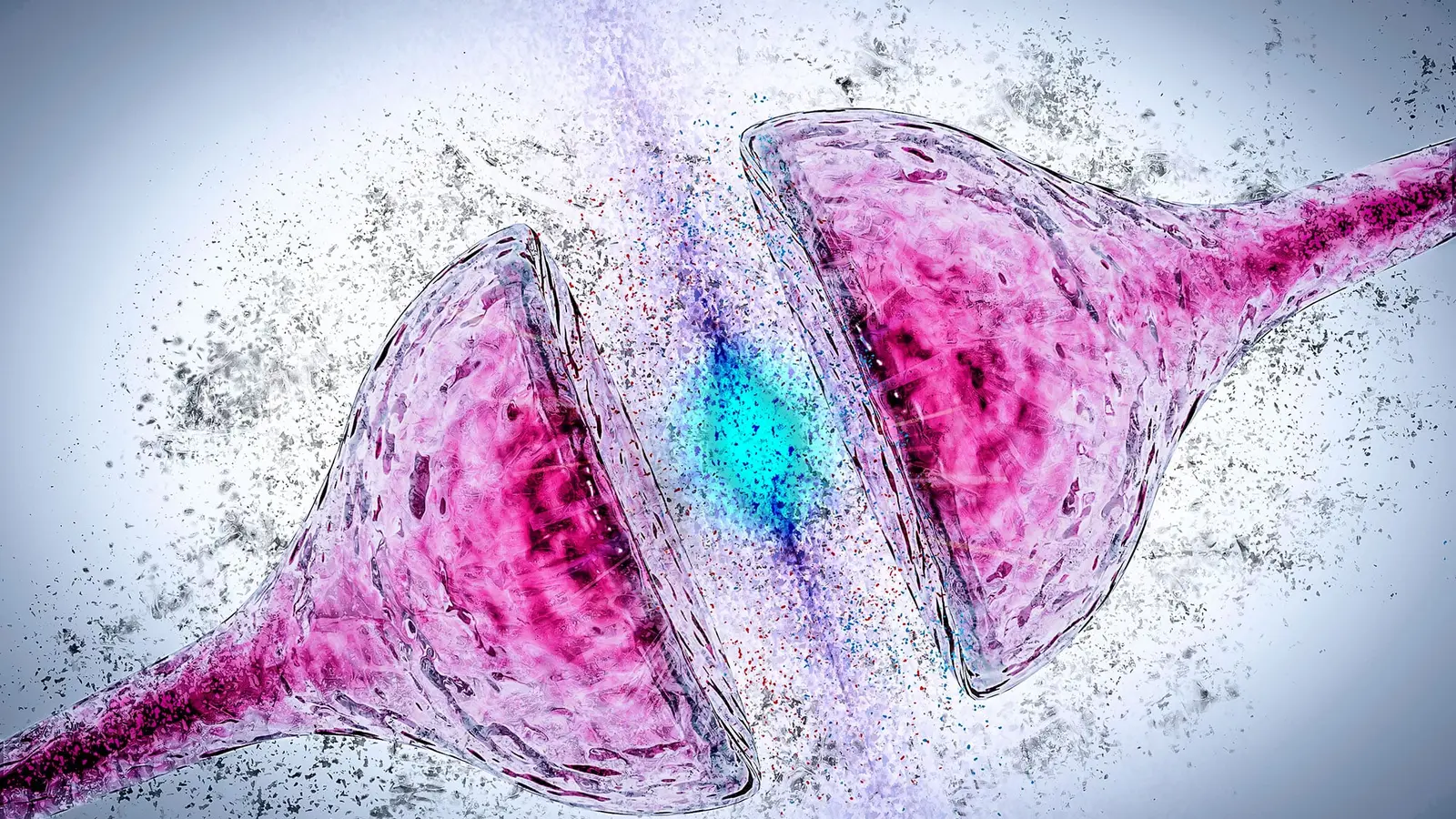
Researchers at ETH Zurich have spent nearly 20 years tracing one such hidden fault line. Their detective work points to a protein called GRK2 and a surprising culprit: an inactive version of the molecule that clumps on mitochondria, the cell’s power plants, and appears to trigger a cascade of stress, protein buildup, and cell death. Early lab and mouse results suggest a small molecule dubbed Compound 10 can interrupt that chain. The idea is not to erase amyloid plaques directly but to protect the cell’s energy systems upstream, and in doing so, slow neurodegeneration. Credit: Shutterstock
A long hunt that began with surgical samples
The story starts with brain tissue from routine tumor surgeries in Cairo. Ursula Quitterer, who heads molecular pharmacology at ETH Zurich, and colleagues compared samples from people with and without dementia, probing molecular patterns that other studies had overlooked. What emerged was an unusual signature: an accumulation of a nonfunctional form of GRK2 in brains affected by dementia.
GRK2 is not an exotic brain-only protein. It helps cells tune their responses to signals across tissues, including the heart. Yet until now, it received little attention in Alzheimer’s research, where amyloid beta and tau have dominated funding and headlines. The ETH team’s work redirects that focus toward cellular stress and energy failure as early, actionable events.

How inactive GRK2 creates a cellular traffic jam
Cells keep GRK2 in two states. One version participates in normal signal regulation. The other is an inactive form produced through routine molecular processes. In Alzheimer’s-affected tissue and in mouse models, the inactive GRK2 doesn’t simply lie dormant. It aggregates — and those aggregates take up residence on mitochondrial surfaces.
What happens next is mechanical and brutal. The clumps obstruct mitochondrial pores and diminish the organelles’ capacity to generate ATP, the molecule cells use for energy. Neurons are especially sensitive because they run long circuits and can’t easily pause activity. Energy shortfalls impair waste clearance, heighten oxidative stress, and compromise the cell’s ability to maintain protein quality control. Years of work by neurobiologists have increasingly pointed to mitochondrial dysfunction as one of the earliest derangements in neurodegenerative disease. These findings fit that pattern.
There is a second, darker loop. The ETH team found that inactive GRK2 encourages production of amyloid beta. Amyloid then adds pressure to already stressed neurons, driving more GRK2 into the inactive, aggregating state. The result is a self-reinforcing cycle in which protein stress and energy failure feed one another, accelerating neuronal damage.
Stopping the loop: what Compound 10 does
Instead of aiming squarely at plaques, the research group screened molecules that could prevent GRK2 from clumping. Compound 10 emerged as the most promising candidate. In cultured cells and in mice engineered to model Alzheimer’s pathology, the compound reduced formation of GRK2 aggregates, preserved mitochondrial function, and led to lower levels of amyloid beta.
Outcomes were tangible. Treated mice lost fewer neurons, showed reduced biological markers of disease, and lived longer than untreated controls. The effects were not confined to the brain. Because GRK2 acts in other organs, the mice also demonstrated improved cardiac measures and even signs consistent with healthier aging, such as reduced graying.
Expert Insight
"This work reframes Alzheimer’s as not only a disease of misplaced proteins but of failing cellular energy management," says Dr. Hannah Li, a neurobiologist at the University of Cambridge who was not involved in the study. "Targeting upstream stress pathways can complement plaque- and tangle-directed strategies. But translating a compound from mice to people is a long, costly road — and many promising candidates stumble when faced with human biology and trials."
Why this matters — and what remains uncertain
The ETH Zurich findings matter for two reasons. First, they identify GRK2 as a tangible molecular target whose manipulation yields measurable benefits in preclinical models. Second, they offer a conceptual shift: protecting mitochondrial health may prevent or slow the processes that produce the hallmark protein deposits, rather than attempting to clear those deposits after they accumulate.
Still, caution is essential. Animal models can only approximate human Alzheimer’s. Mice age faster, their brains differ in scale and complexity, and compounds that work in rodents sometimes fail due to toxicity, poor brain penetration, or unexpected side effects in humans. The researchers have applied for a patent on Compound 10 and completed foundational studies; the next practical hurdle is securing industry partners to fund clinical development, which is expensive and time-consuming.
Also unresolved are biomarker strategies and patient selection: who would benefit most from a GRK2-targeting therapy? The best candidates may be people in very early stages of cognitive decline or those showing biomarker signs of mitochondrial dysfunction. Detecting that dysfunction reliably in living patients will require sensitive imaging or fluid biomarkers that are still under development.
Paths forward and clinical prospects
If Compound 10 proceeds into human trials, the initial steps will focus on safety, dosage, and pharmacokinetics — essentially, can the drug reach the brain and behave predictably at tolerable doses. Parallel work will be needed to develop companion diagnostics that can identify patients whose disease biology aligns with a GRK2-driven mechanism.
There is also a strategic option worth noting: combination therapy. Alzheimer’s may not yield to a single magic bullet. A drug that stabilizes mitochondrial function might be paired with agents that reduce amyloid or protect synapses. Such combinations could produce additive or synergistic benefits, improving quality of life even if they do not fully halt the disease.
Conclusion
Two decades of careful molecular sleuthing have placed GRK2 on the Alzheimer’s map and produced a candidate molecule that interrupts a destructive feedback loop linking energy failure to protein aggregation. The findings do not promise a quick cure. They do open a new avenue — one that treats cellular resilience as a therapeutic goal. For patients, families, and clinicians seeking fresh strategies, that shift in focus may be as important as any single drug candidate.
Source: scitechdaily


Comments
atomwave
is this even true? i mean Compound 10 sounds promising in mice, but brain penetration, toxicity, human variability, who pays for trials? seems early, skeptical
labflux
wow, mitochondrial clumping as a trigger? This flips the script. hopeful but nervous, mice don't equal ppl, still intriguing tho, lots to prove

Leave a Comment