
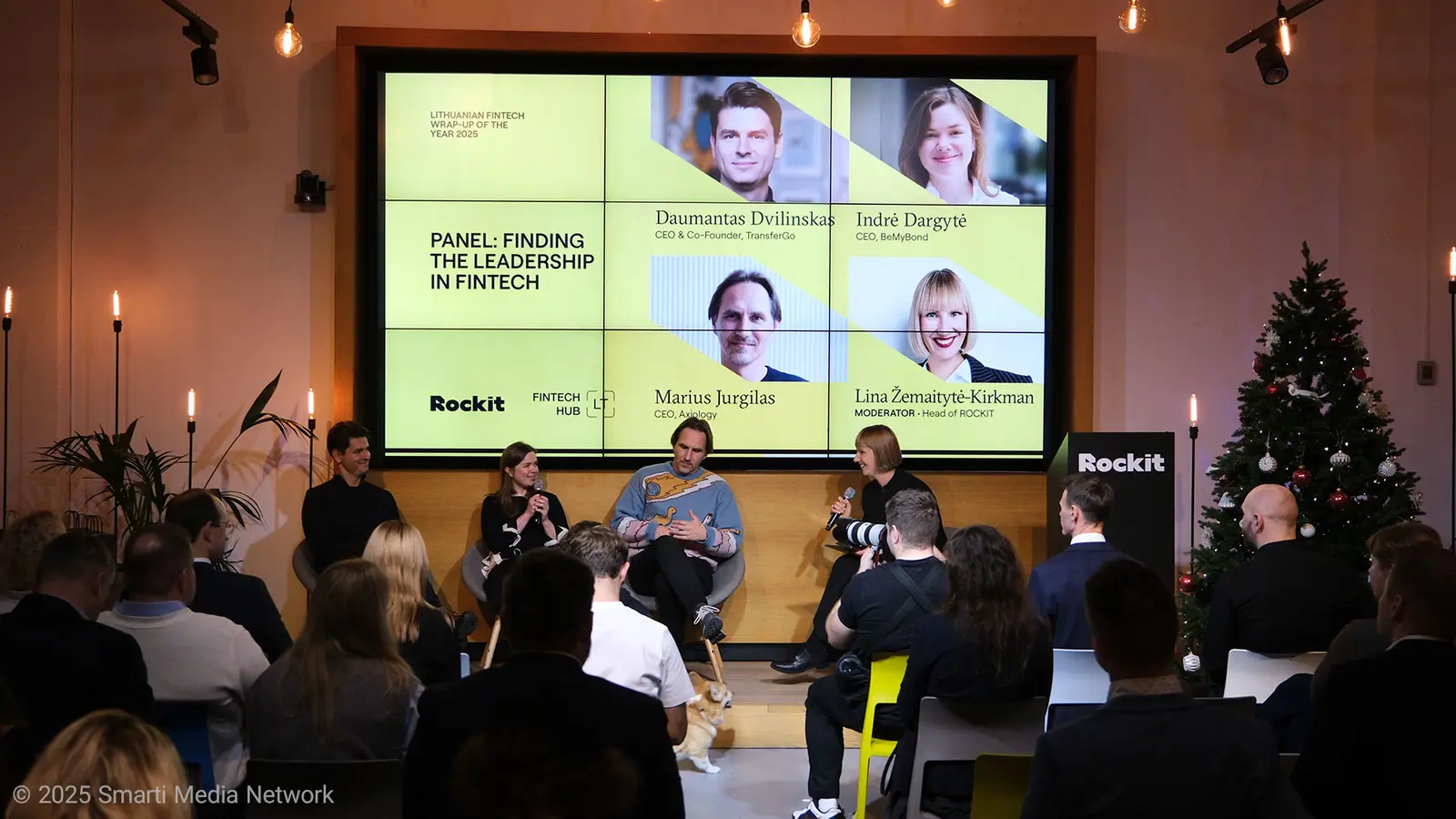
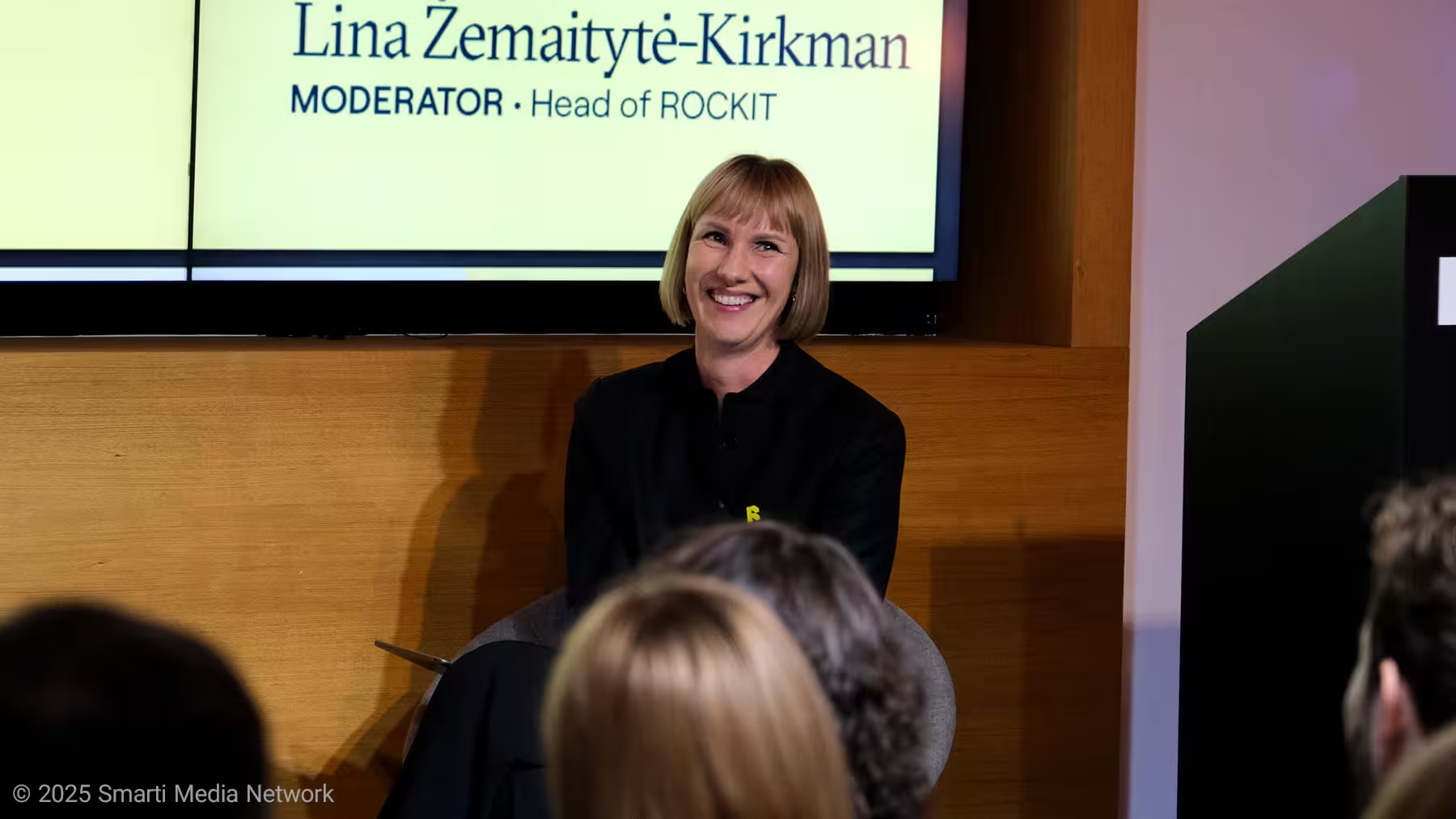
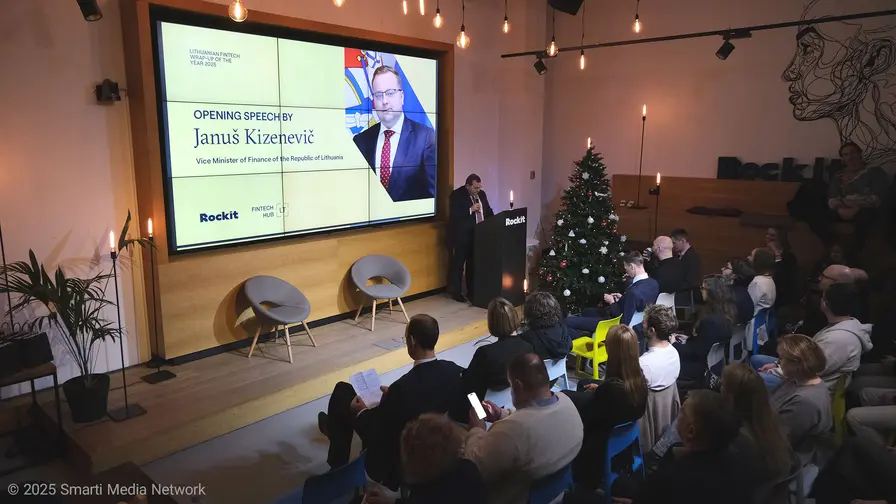
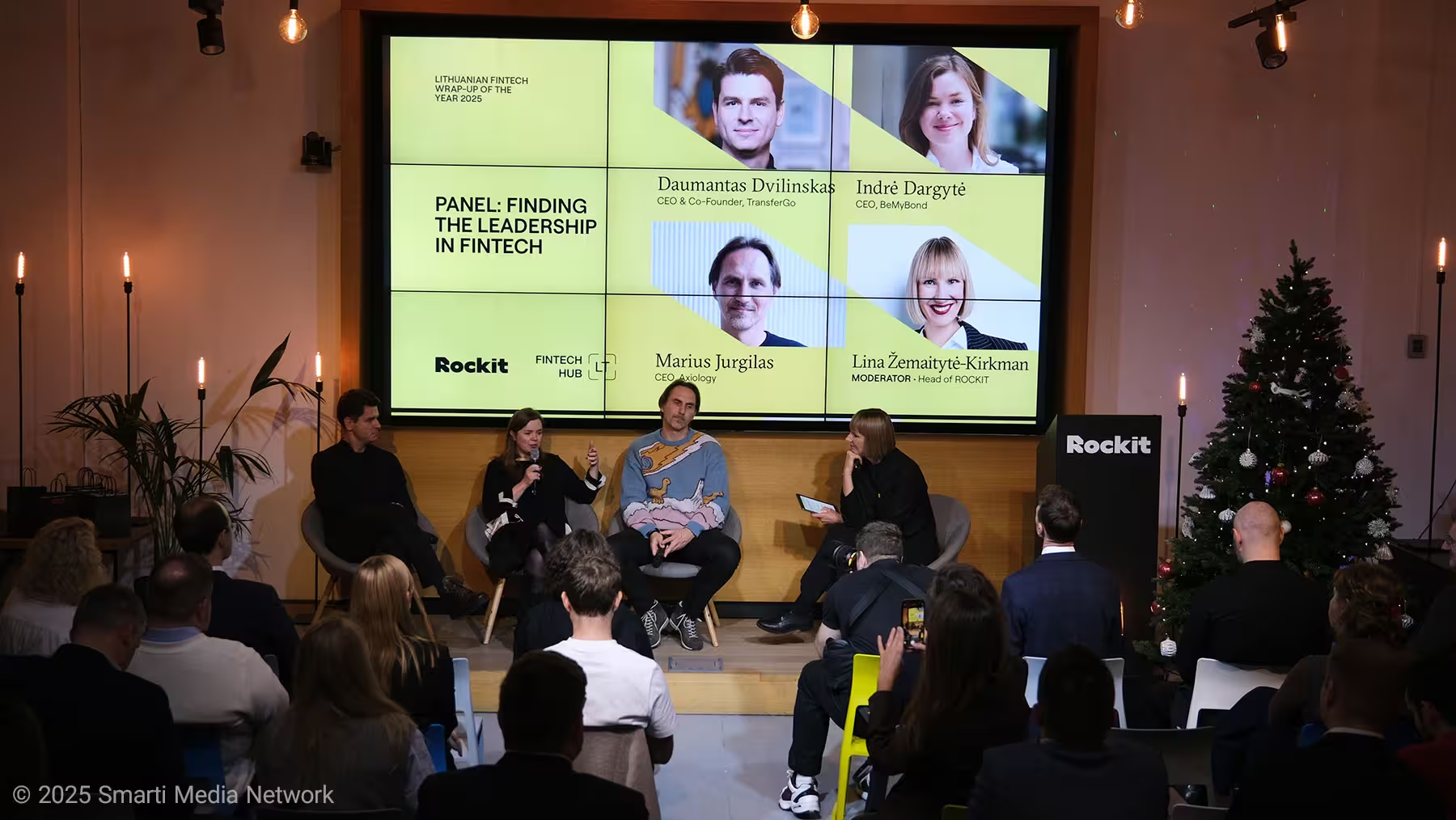
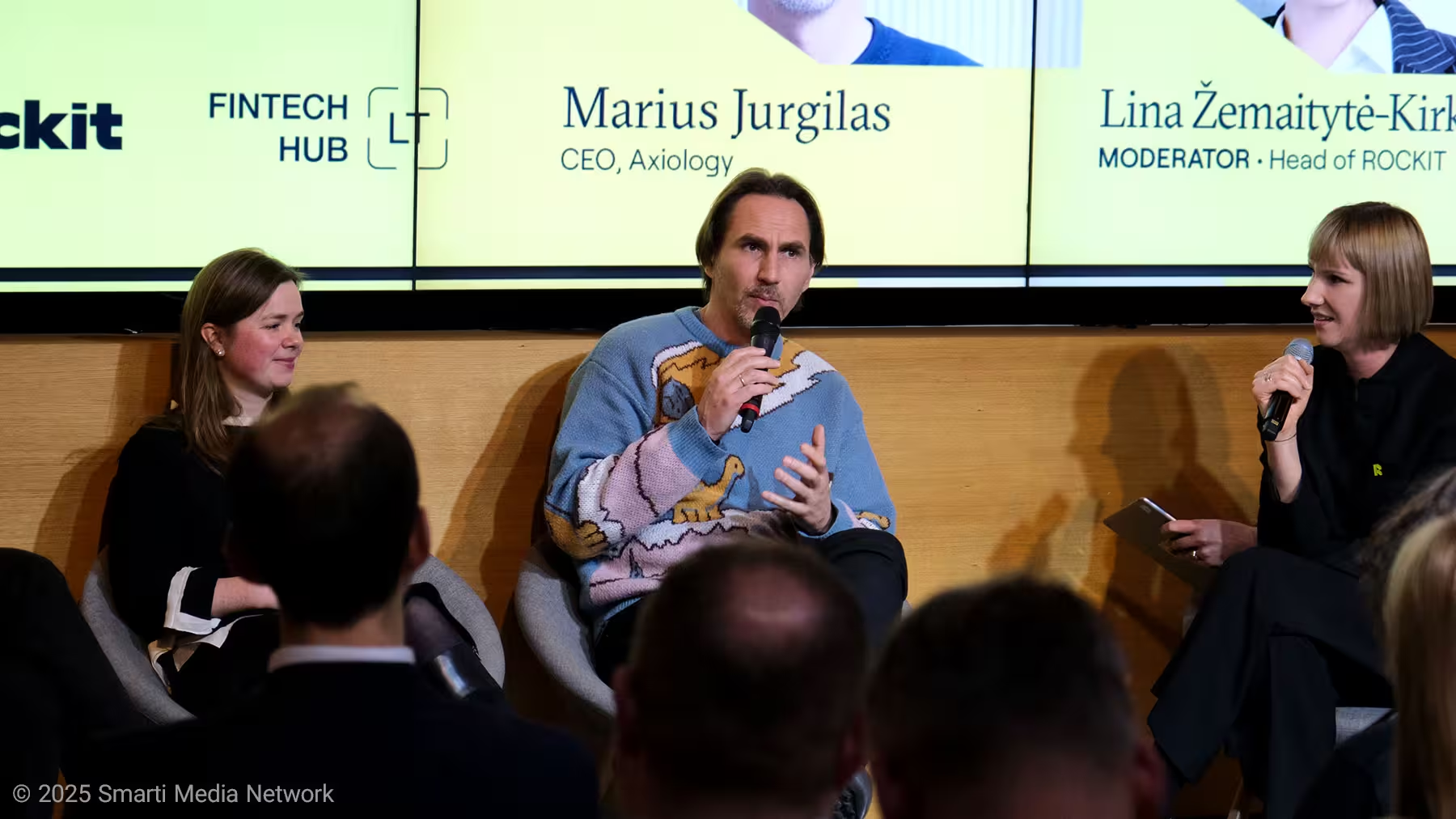
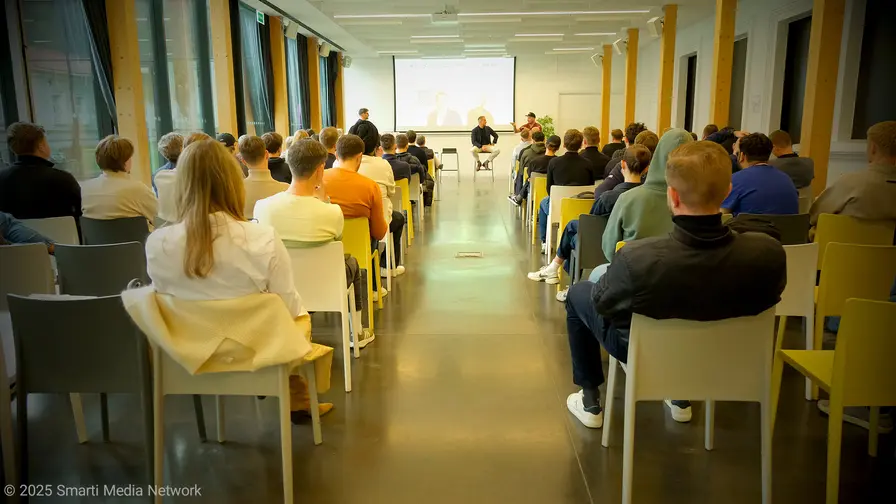
The lights dimmed for the final session at ROCKIT, marking the end of the Lithuanian Fintech Wrap-up of the year 2025. The atmosphere was electric, perhaps fueled by the "no food, no friendship" warning jokingly issued by the moderator, Lina Žemaitytė-Kirkman, Head of ROCKIT.
But beneath the laughter lay a palpable tension. After a decade of explosive growth, Lithuania’s fintech ecosystem stands at a crossroads. The "start-up" phase is over. The "scale-up" phase is messy. And the "leadership" phase? That is still being defined.
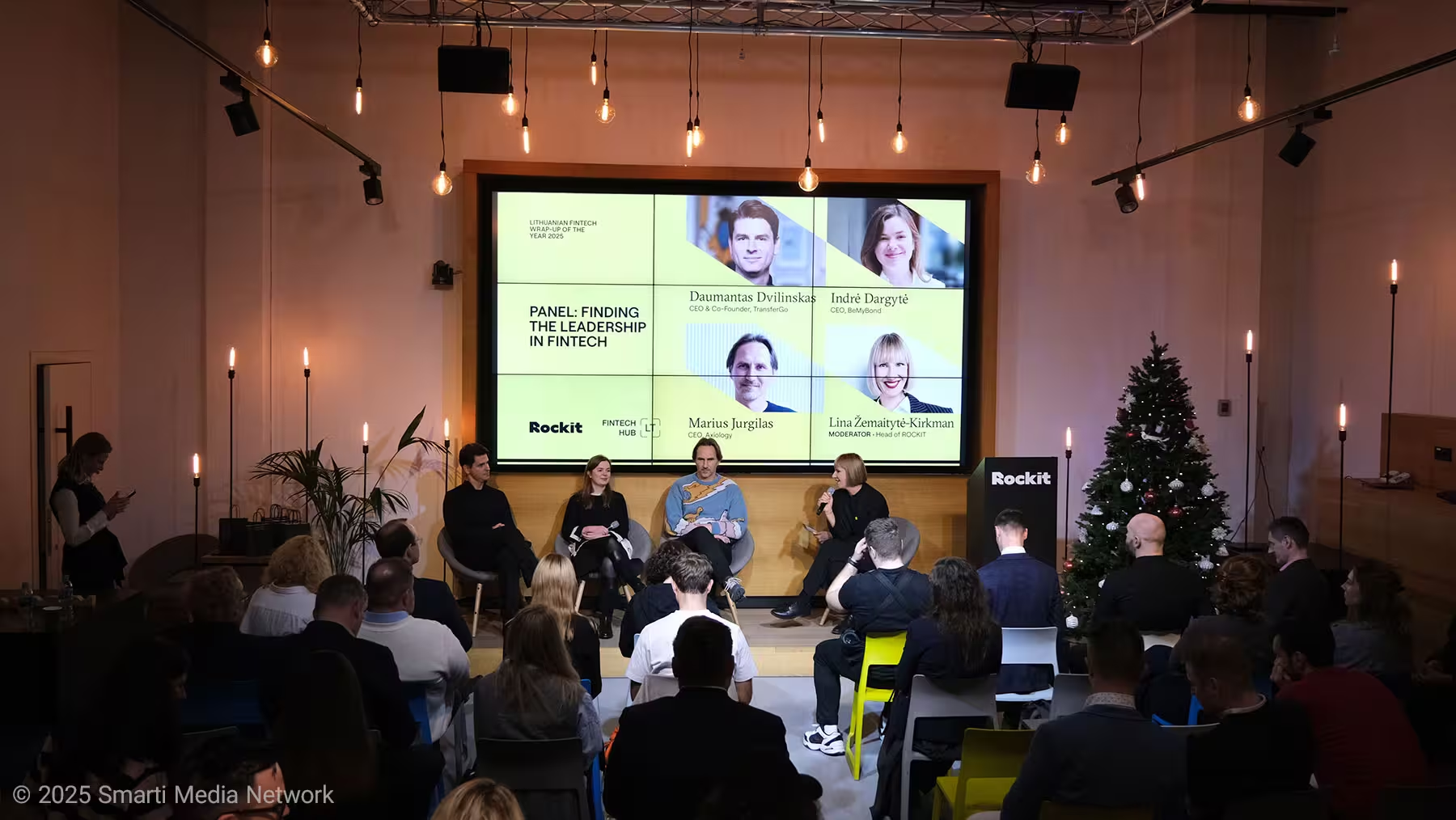
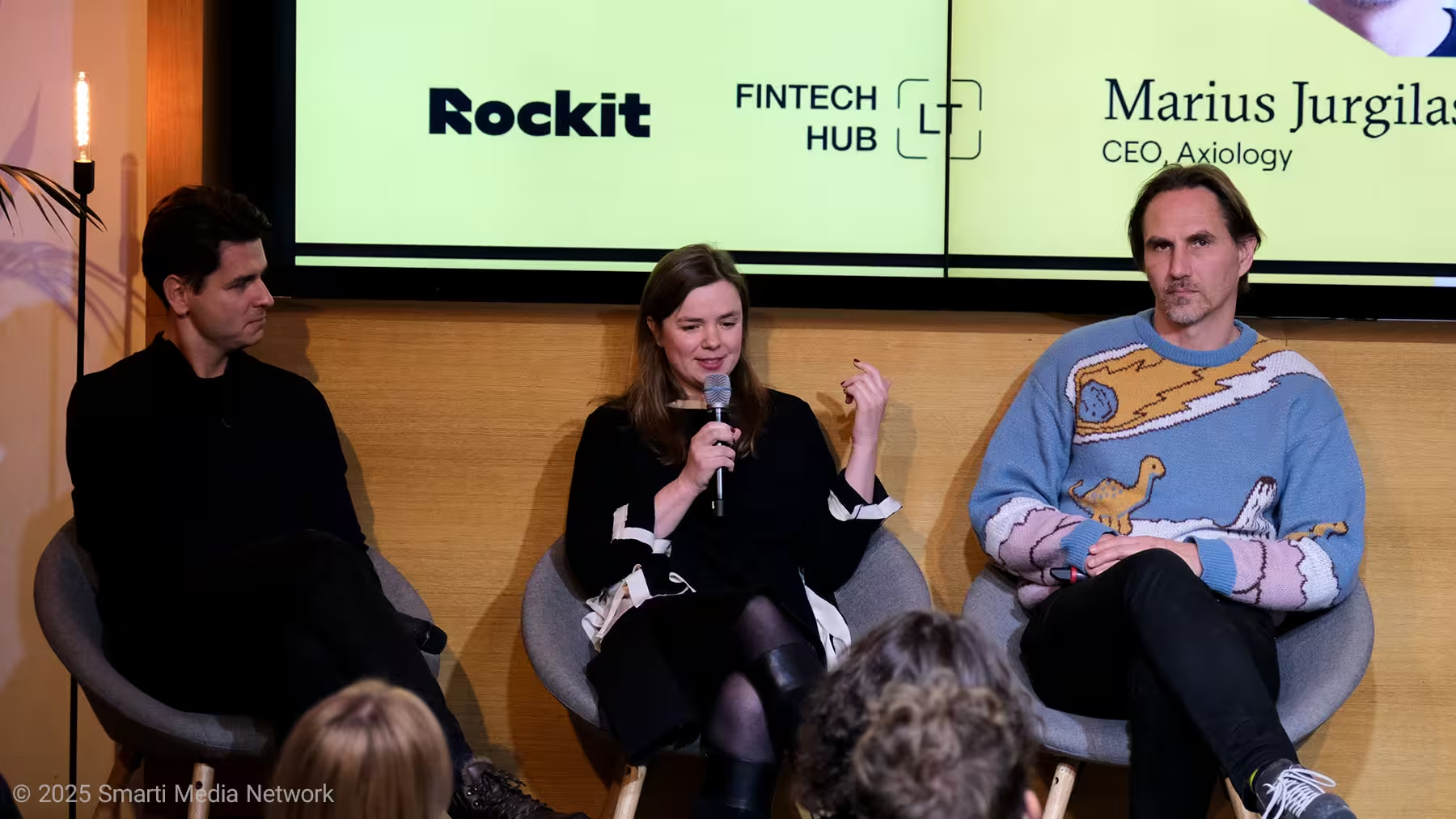
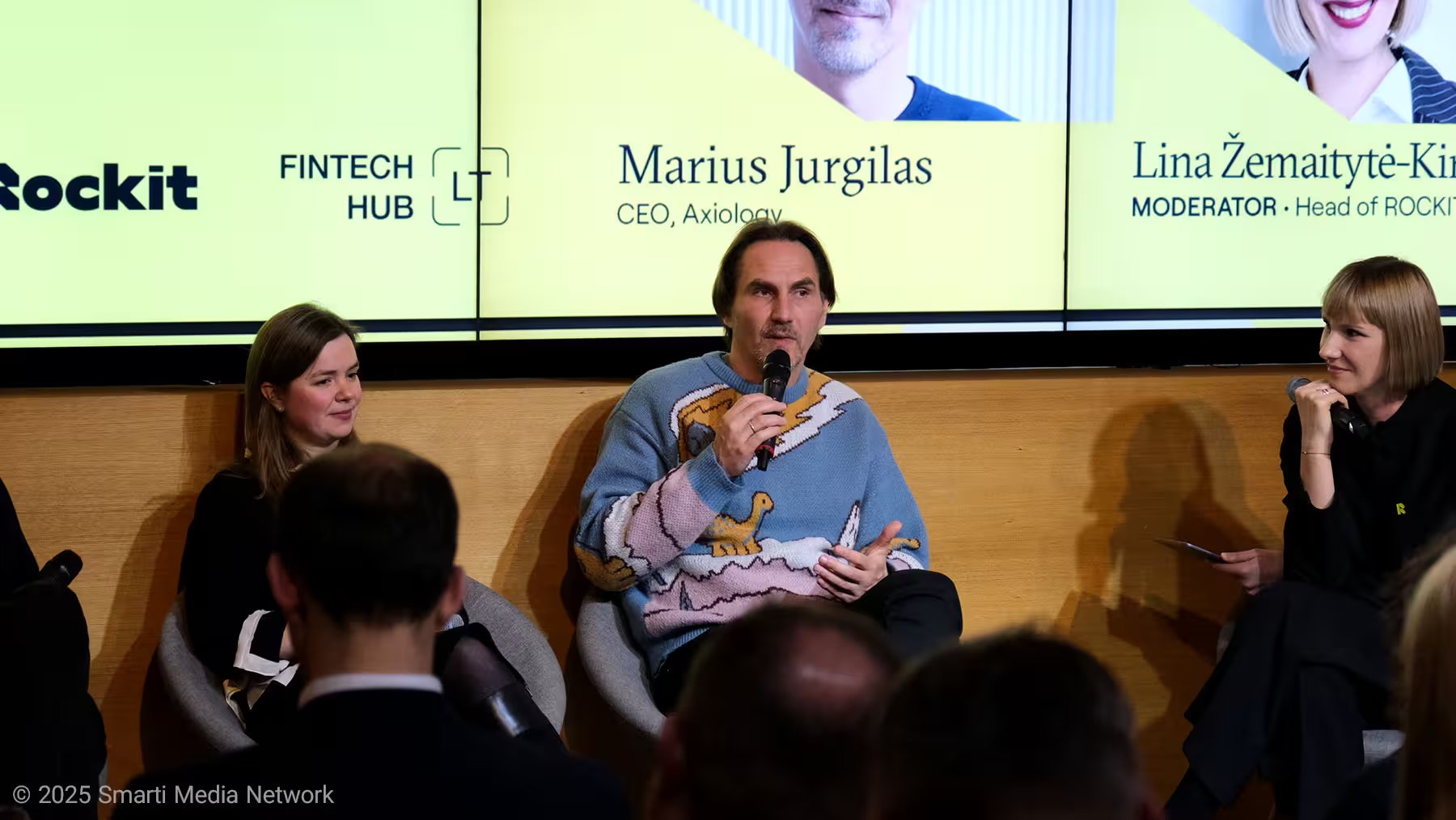
To answer the existential question—"What does it truly mean to lead?"—the organizers brought together three heavyweights representing the past, present, and future of the ecosystem:
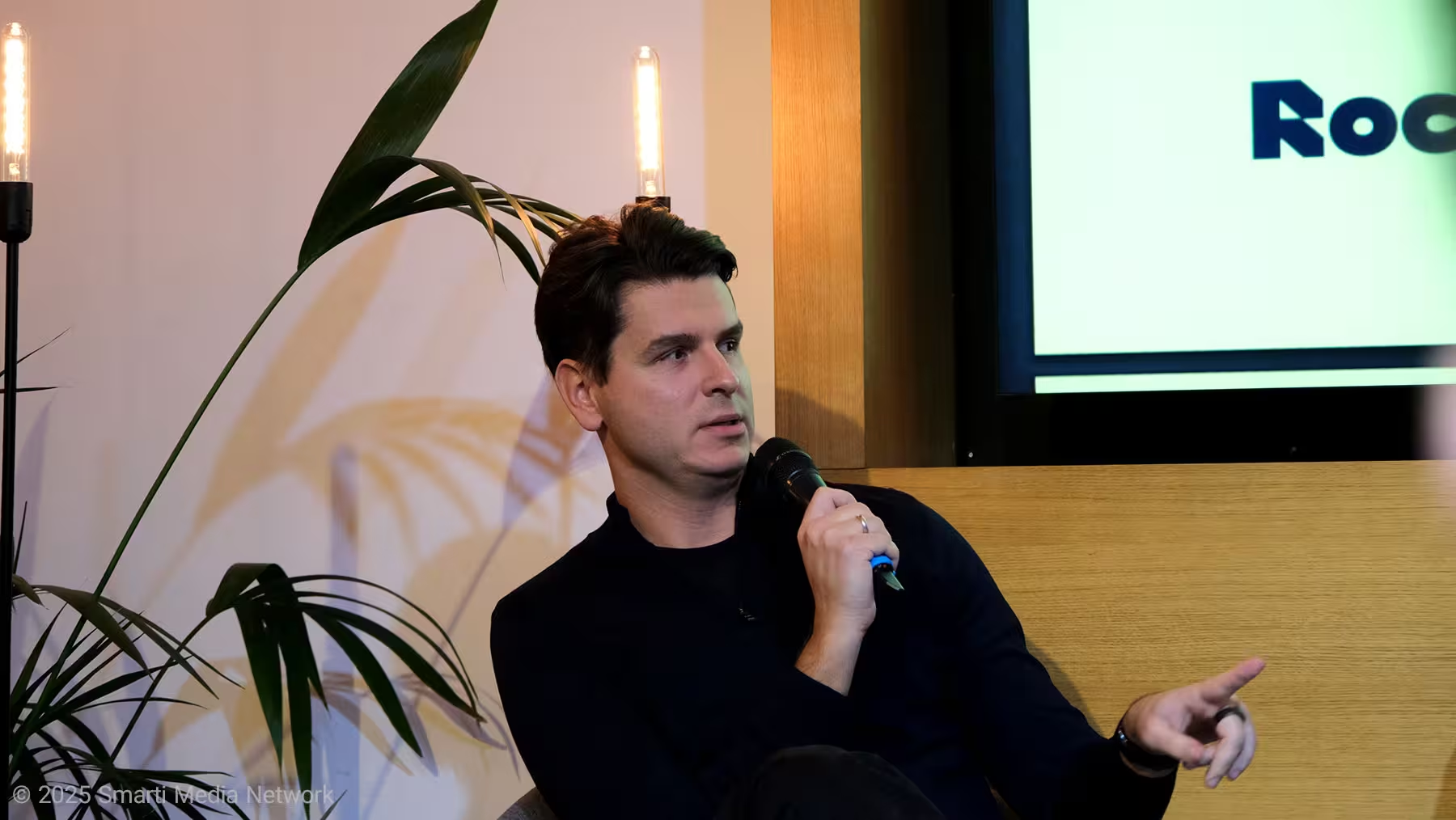
Daumantas Dvilinskas, CEO & Co-Founder of TransferGo (The Global Scaler).
Indrė Dargytė, CEO of BeMyBond (The Regulatory Innovator).
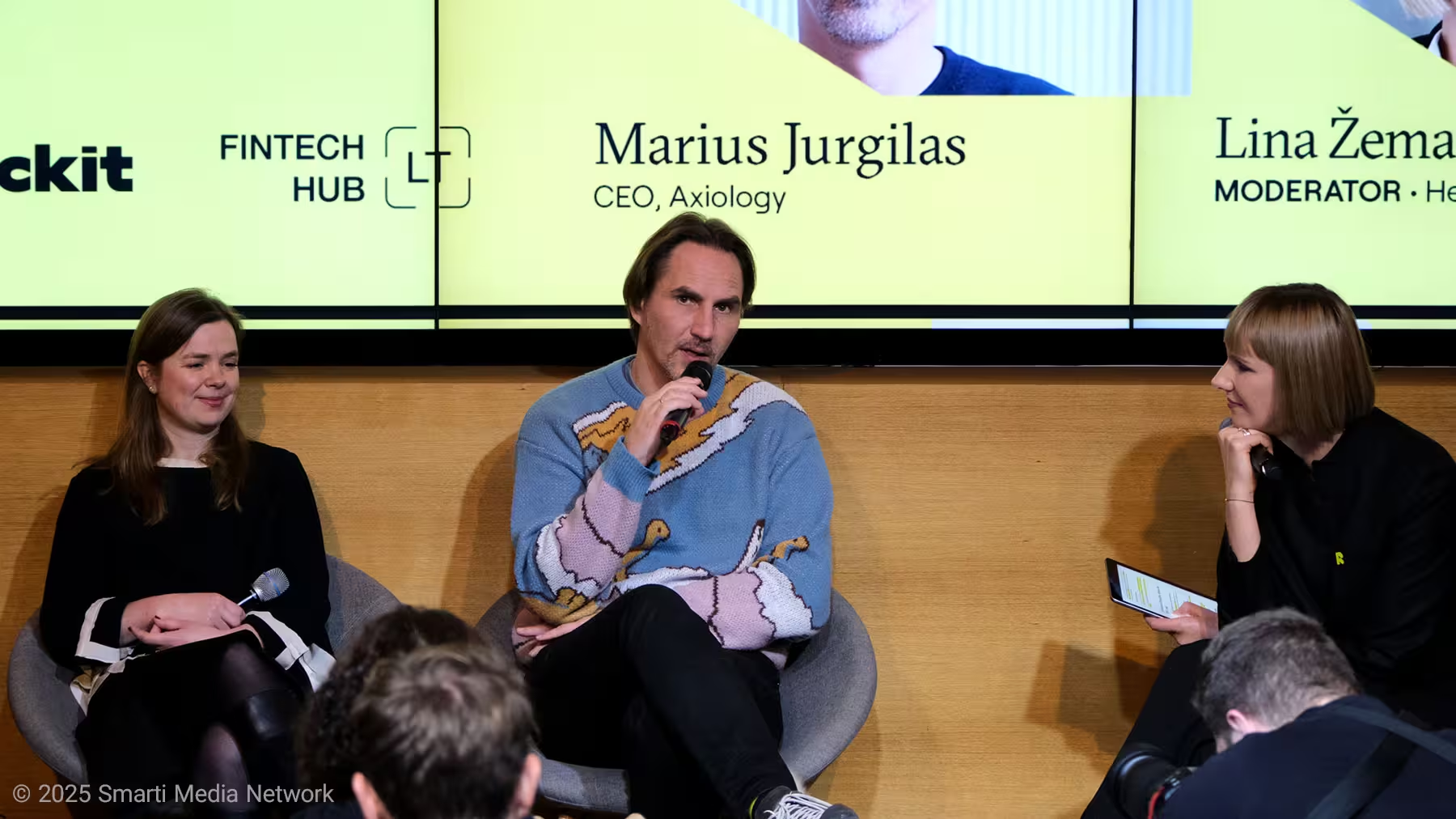
Marius Jurgilas, CEO of Axiology and former Board Member of the Bank of Lithuania (The Architect turned Founder).
What followed was not a polite panel of mutual agreement. It was a raw, unfiltered debate on "crooks," "dinosaurs," the threat of neighbors, and the controversial idea that perhaps, just perhaps, Lithuania should stop handing out licenses so easily.
Part I: Defining the Target (Or "The 2028 Problem")
Lina Žemaitytė-Kirkman opened with a direct challenge regarding the national strategy: "By 2028, Lithuania is supposed to become a high value-added fintech hub. What does that actually mean in practical terms?"
The answers revealed a fundamental split in how the sector views its own purpose.
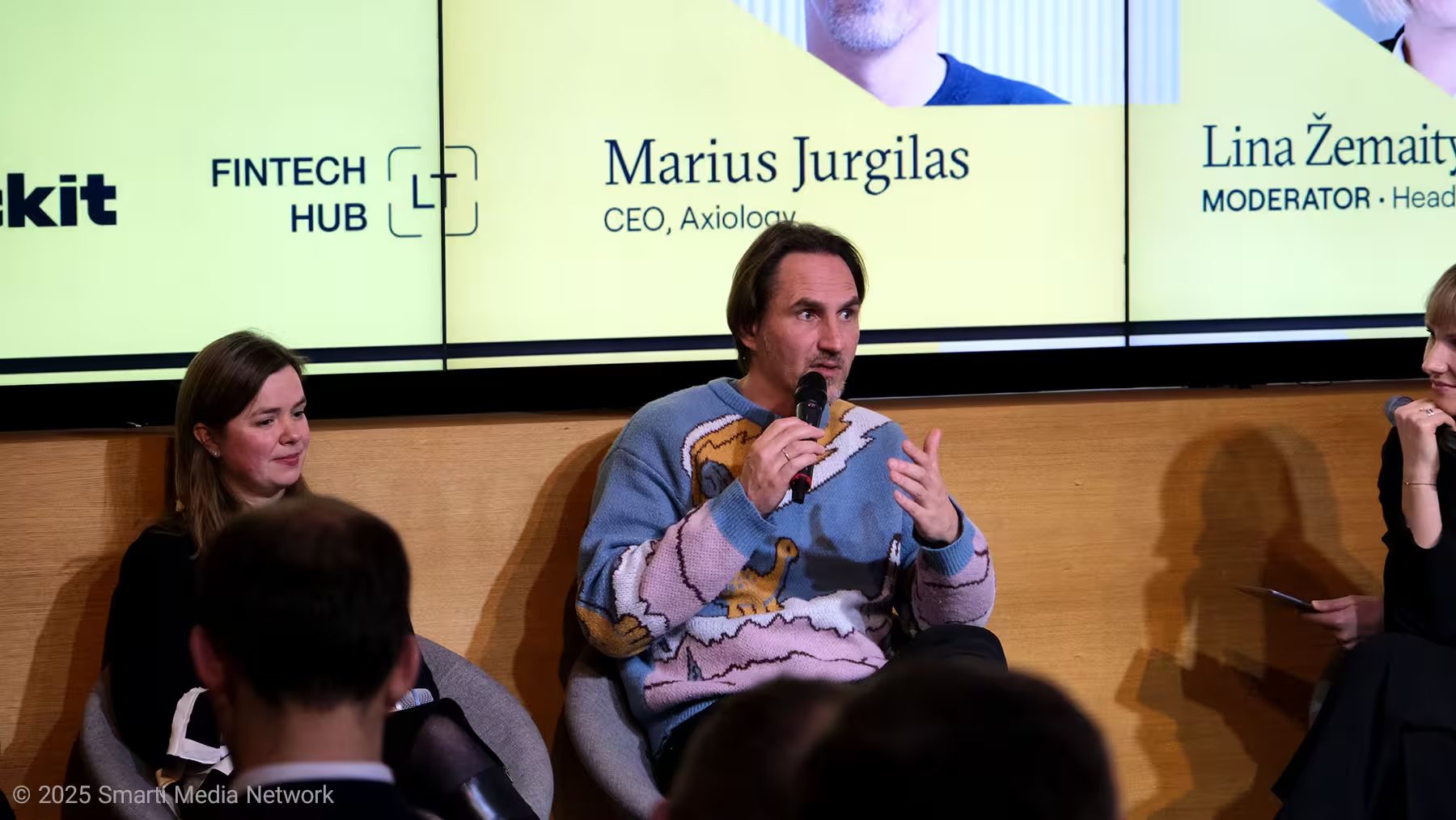
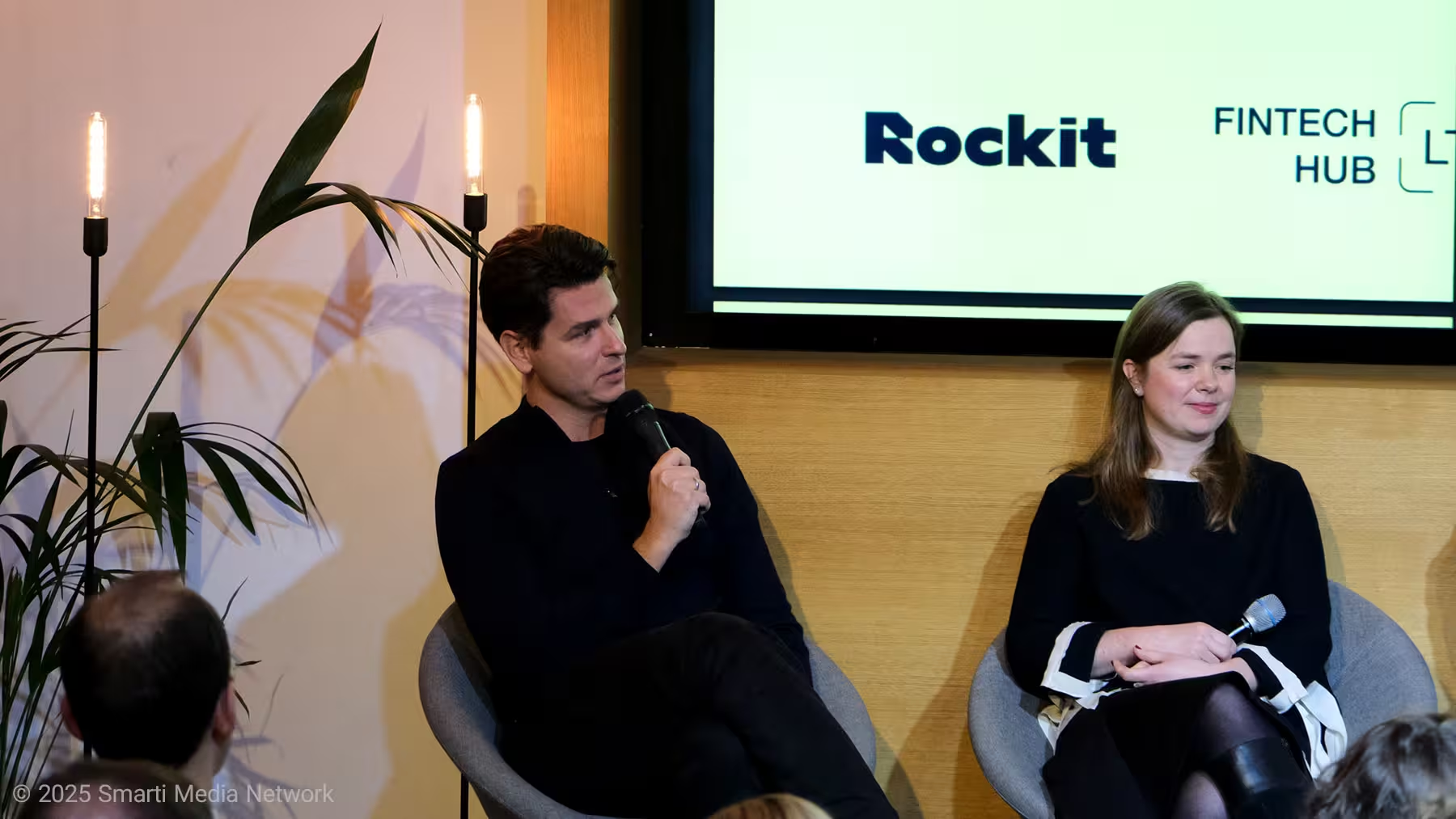
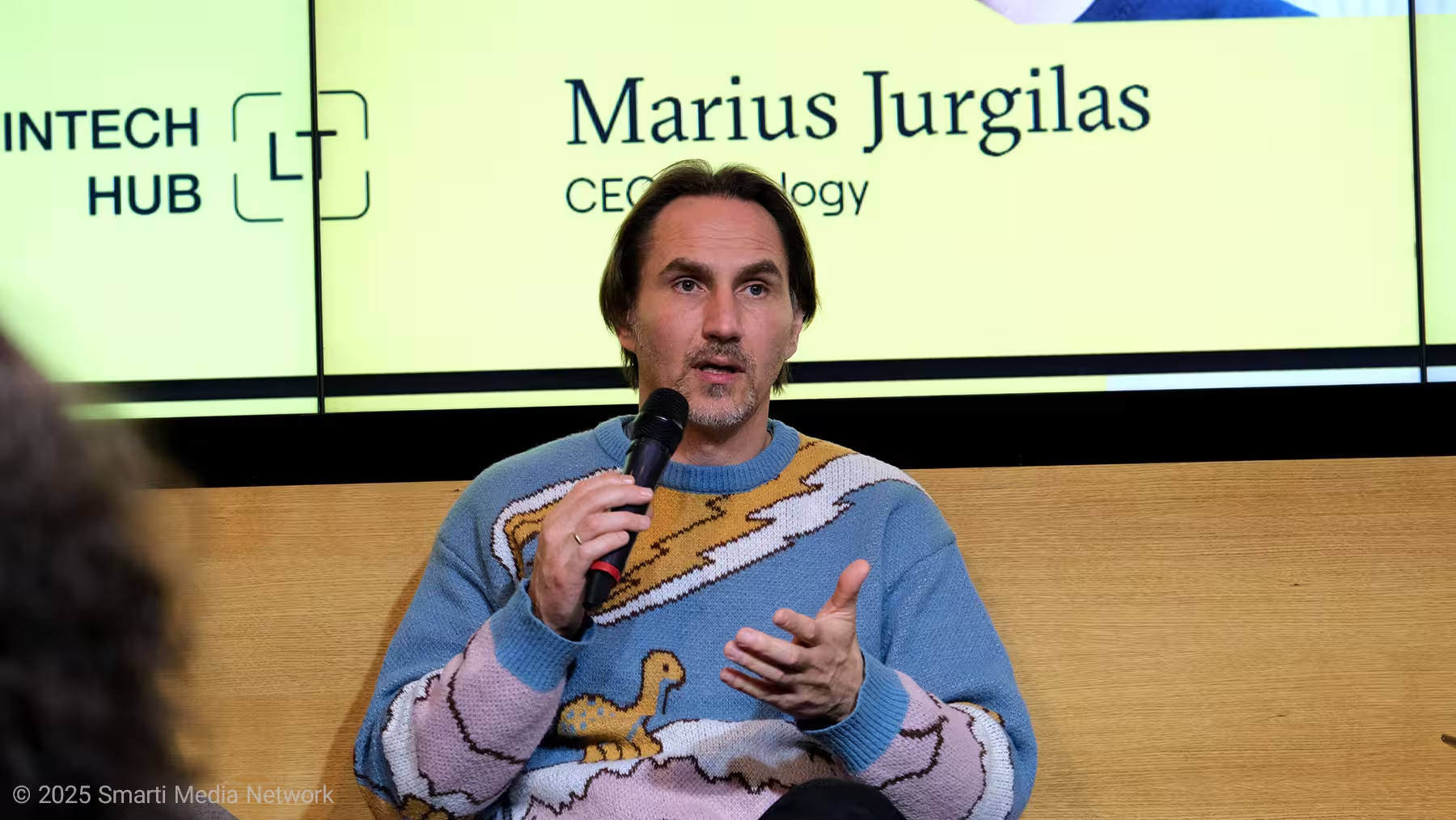
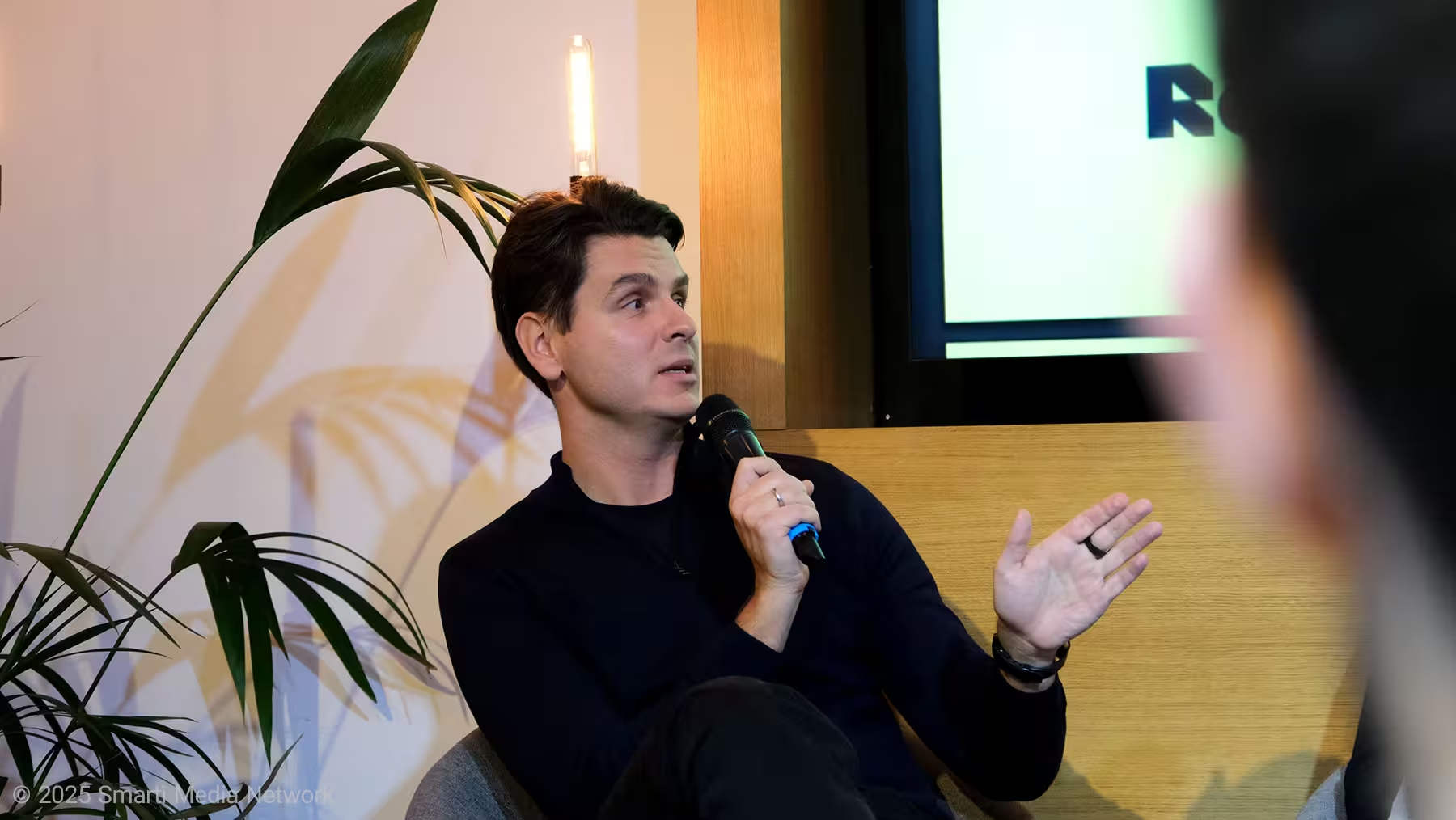
The Populist Approach: Marius Jurgilas, who spent years crafting policy at the Central Bank before jumping into the private sector with Axiology, argued that the definition of success has been too insular. "We may be living in a bubble," Jurgilas warned, gesturing to the room full of founders and lawyers. "We are talking to the converted here." For Jurgilas, "high value-added" isn't about GDP numbers or unicorn valuations. It is about the average Lithuanian citizen. "I want to see the impact for the average person in Lithuania. The high value-added probably means that the impact of fintech on the broader economic competitiveness of Lithuania is very clear." His point was sharp: If a grandmother in Rokiškis or a teacher in Palanga doesn't feel the benefit of fintech, the strategy has failed.
The Hygienic Approach: Daumantas Dvilinskas, whose company TransferGo competes in dozens of global markets, took a much harder, darker line. For him, value cannot be built on a shaky foundation. "I’d like to add another point," Dvilinskas interjected. "We need to get rid of crooks in our ecosystem." The room fell silent for a moment. "It has to happen. Otherwise, if we can't deal with bad actors, everybody looks like a bad actor. You can't go forward without managing what's currently happening."
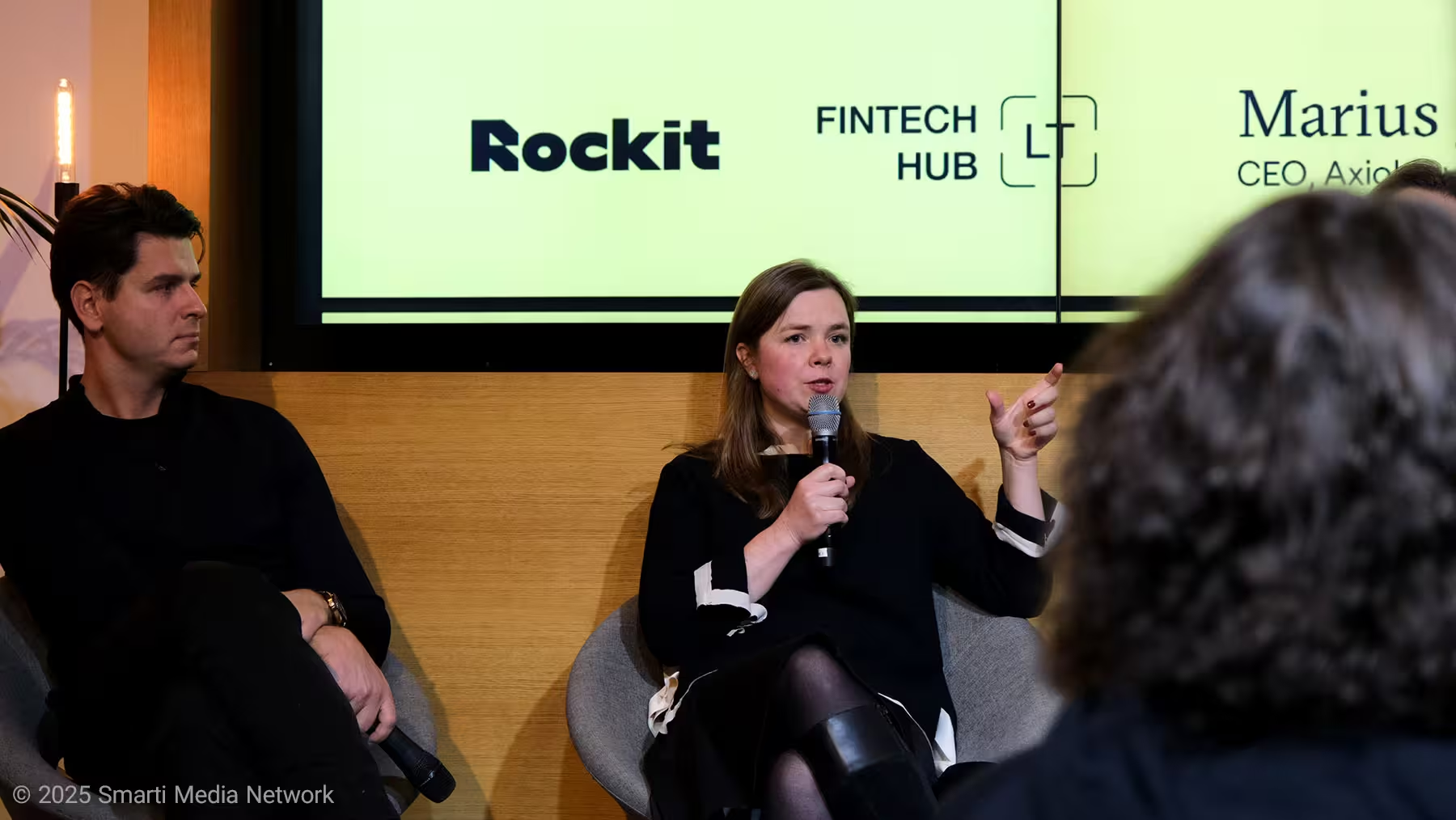
The Evolutionary Approach: Indrė Dargytė offered a pragmatic middle ground. "Let's not overcomplicate things," she urged. For her, the strategy isn't about reinventing the wheel every time a government changes—a common vice in Lithuanian politics. "The problem in Lithuania is that every new government tries to reinvent the wheel to have new laurels," she observed. “But we just need to continue what we started. Create an ecosystem with high-paying jobs where it is easy to scale.”
Jurgilas, never one to let a metaphor slide, capped this section with a retort to Dvilinskas: "Just one message. We need to get rid not of the crooks, but of the dinosaurs."
And there it was—the central conflict of the evening. Dvilinskas wants to purge the scammers (Crooks); Jurgilas wants to purge the obsolete incumbents (Dinosaurs). The path to 2028 likely requires doing both.
Part II: The "Tick" Analogy (Identity and Adaptability)
In one of the most memorable moments of the entire event, the panel tried to define Lithuania’s "spirit animal." If Russia is a Bear, France is a Rooster, and the USA is an Eagle, what is Lithuania?
Indrė Dargytė tentatively suggested a "Horse." The moderator joked about a "Painted" horse. Marius Jurgilas dropped the bomb: "The correct answer is a Tick."
The audience laughed, unsure if it was an insult or a compliment. Jurgilas clarified: "Because we suck everything out of anything that is in front of us."
While visibly graphic, the metaphor was meant as a testament to Lithuania’s supreme adaptability. "We take opportunities," Jurgilas explained seriously. "Lithuania is a community which is very adaptable. Regardless of the political system, regardless of the supervisor... we suck the opportunity."
He illustrated this with a story about a major crypto company (implied to be global scale) calling him recently. "They asked, 'Marius, we are thinking of going to Lithuania.' I said, 'Are you crazy? What's wrong with you?'" The irony was thick. Even Jurgilas, a creator of the ecosystem, felt the regulatory heat was too high. Yet, the company insisted because "everyone suggested Lithuania is the best place." "Sometimes our shadow is bigger than we think," Jurgilas admitted. The "Tick" mentality means that even when the environment is hostile, Lithuania finds a way to latch onto global trends—be it crypto, crowdfunding, or AI—and extract value.
Part III: The "Crooks" and The Reputation Trap
Throughout the discussion, Daumantas Dvilinskas returned repeatedly to the theme of reputation. As the CEO of a company that moves money globally, he feels the "Lithuanian Discount" whenever a scandal breaks in Vilnius.
"I have a lot of sympathy for the Bank of Lithuania," Dvilinskas said, acknowledging the difficult cleanup job the regulator has undertaken over the last three years. "Never-ending scandals, never-ending problems... Every single bad thing is a stain on all of us."
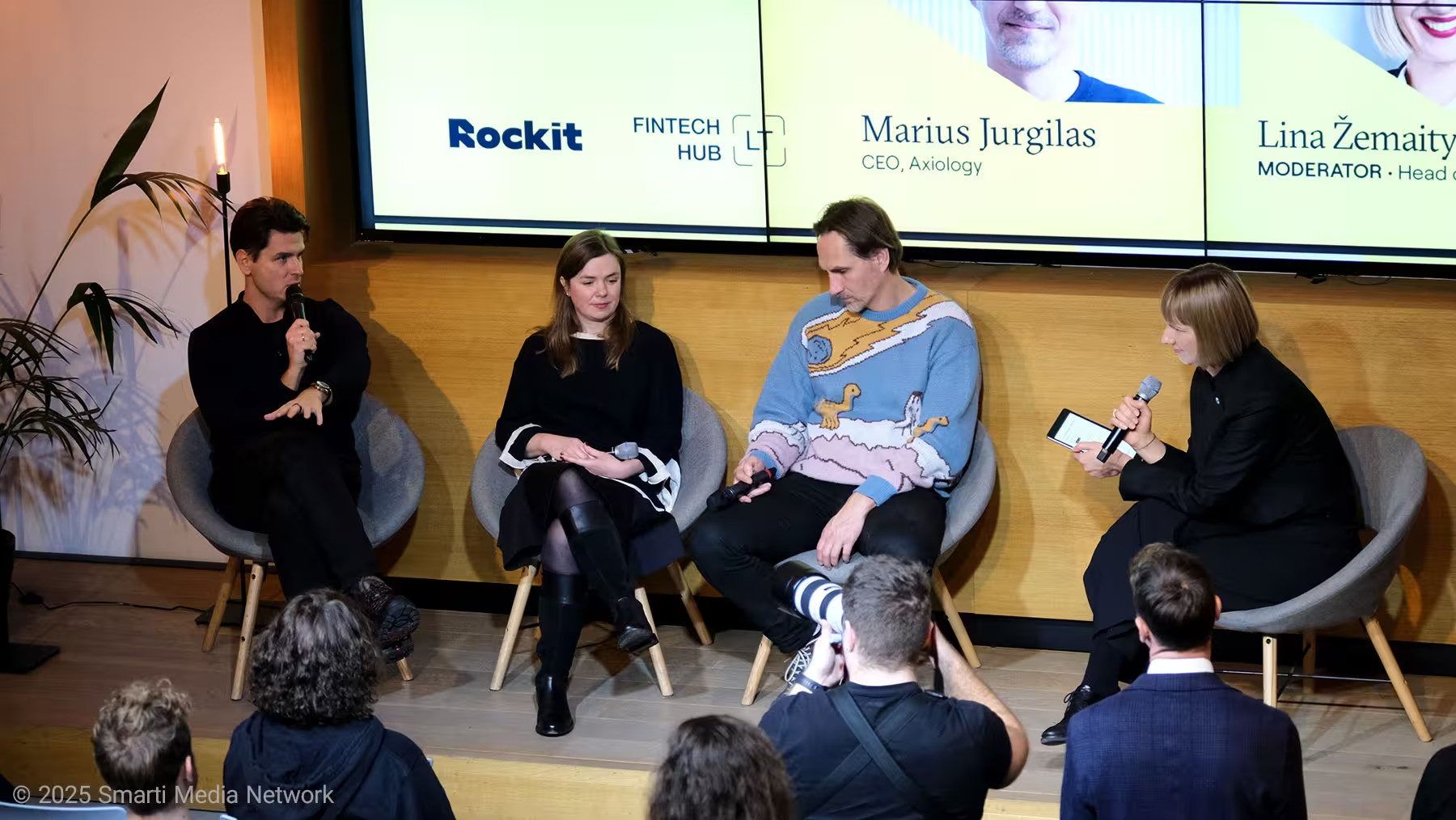
This is the mature leader's perspective. Ten years ago, the goal was simply "more companies." Today, the goal is "better companies." "Innovation requires risk, but risk needs to happen in an environment where we are much cleaner than before," Dvilinskas argued. "If we can't deal with bad actors, we are standing still."
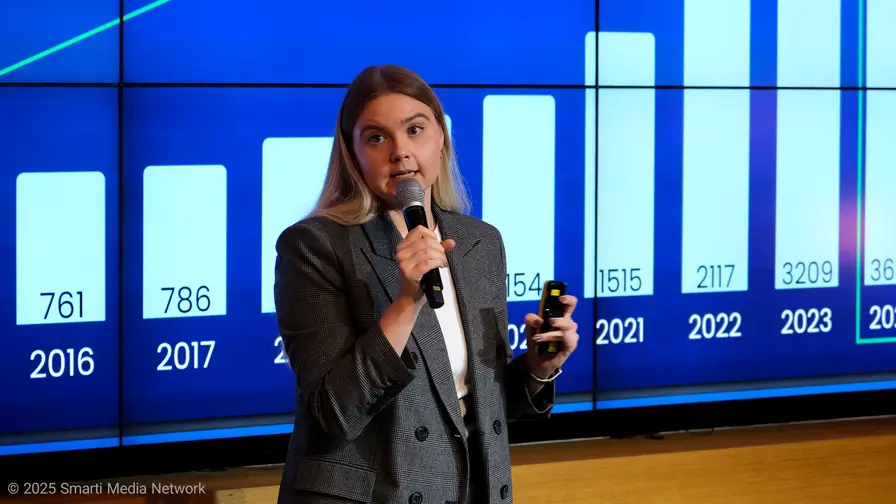
He pointed out a staggering statistic: Out of 20,000 IT jobs in Lithuania, 40% are now in Fintech. The talent is there. The density is there. But if the reputation collapses due to a few "crooks," that talent will migrate to Ireland or Latvia. Dvilinskas called for the community to be "less forgiving" of shady peers. "The news is news to us, and we need to be more active participants in policing our own ecosystem."
Part IV: The "Elephant in the Room" (Latvia vs. The World)
The conversation inevitably turned to the regional rivalry. Earlier that day, Latvia had made a major announcement regarding crypto licensing, signaling a new aggressive stance from Riga.
Jurgilas addressed the "elephant in the room" head-on. "Latvia made a major announcement today. Is our leadership being challenged? It is," he conceded. He recalled a conference last year where the Governor of the Bank of Latvia explicitly opened the doors to crypto companies, creating a silence in the room.
Indrė Dargytė confirmed this trend from her recent travels. "Everywhere I go, the Governor or Deputy Governor of Latvia is saying, 'We are open, come and do business.'" However, she noted that they are "catching up," estimating them to be about four years behind Lithuania in terms of ecosystem maturity.
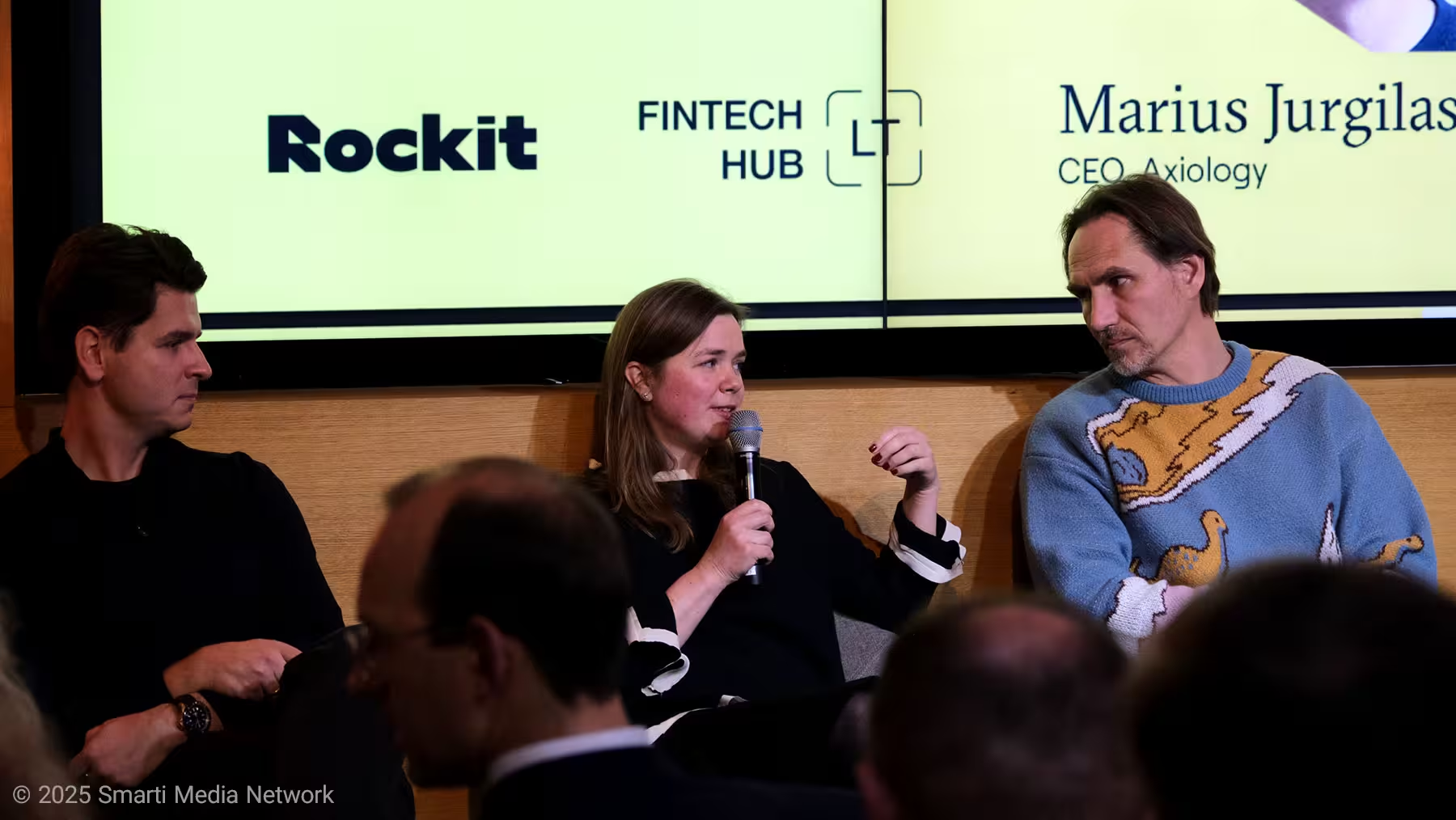
Daumantas Dvilinskas dismissed the regional anxiety entirely. "Competing with Latvia is funny," he laughed. "We are not competing with Latvia. We are competing with Ireland. We are competing with the States. We are competing with mature hubs where high-quality fintechs are growing."
This statement drew nods of approval. The consensus was that getting dragged into a Baltic skirmish is a distraction. If Lithuania wants to be a "High Value Hub" by 2028, its benchmark must be Dublin, London, and New York, not Riga.
Part V: Regulation – The Accelerator or The Brake?
Indrė Dargytė, operating in the highly regulated crowdfunding space with BeMyBond, offered a masterclass on how regulation can actually create markets.
"I am glad to say that the crowdfunding market is really leading the way," she noted. Her company innovated by combining bond instruments with the crowdfunding regime—a mix that required the Bank of Lithuania to be open-minded. "It took us 14 months to approve it," she added, throwing a gentle jab at the regulator’s speed, "but they recognized the innovation."
The result? The Lithuanian crowdfunding market hit €1 billion in funded loans this year. To put that in perspective, Dargytė pointed out that the Netherlands took 12 years to reach €1.2 billion. Lithuania did it in half the time.
"We export the standards to other EU countries," Dargytė explained. While Germany lobbied to avoid EU regulation to keep a competitive advantage, Lithuania embraced it. Now, Lithuanian platforms are expanding across the EU because they are already battle-hardened by high standards.
However, she had a warning for the Bank of Lithuania regarding their new focus on "maturity." "I really hope that 'maturity' doesn't mean 'slow down'," she said. "We expect the regulator not to lose pace. Maybe not go completely crazy, but keep the pace."
Part VI: The Controversial Solution – "Slow Down Licensing"
Then came the most counter-intuitive proposal of the night.
When asked what would help Lithuanian companies scale, Daumantas Dvilinskas didn't ask for grants or faster approvals. He asked for the opposite.
"I would be contrary to this. I would say: Slow down licensing as much as possible."
Lina Žemaitytė-Kirkman laughed, surprised. But Dvilinskas was serious. "Don't give licenses to everybody who comes through the door. That is not a good recipe for a sustainable ecosystem."
.webp "Porsche Appoints New CEO: Michael Leiters Returns to Lead")
His argument is one of quality control. If the license is too easy to get, it holds no value. It attracts arbitrage seekers rather than serious builders. "However," he qualified, "once the license is there, you need to enable the companies to set a risk-based approach... All we are asking for is a level playing field."
He argued that currently, there is regulatory arbitrage where companies go elsewhere because it's "easier." But instead of lowering standards to match them, Lithuania should raise the bar for entry, but lower the friction for operations once inside. "Sometimes less is more."
Part VII: Brussels, AI, and the "European Dream"
The panel zoomed out to the European context. Marius Jurgilas, reminding everyone of his policy background, pointed out a misconception: "Some people think fintech strategy originated in Lithuania. Wrong. The EU approached a fintech strategy in 2018.
Now, however, the game has changed. Lithuania is no longer just a "rule-taker" but a potential "rule-maker." "We have the voice now," Jurgilas urged. "We have to be present at the table in the policy space. Belgians and Latvians are putting their own agenda."
He specifically pointed to eIDAS (European Digital Identity) as the next battleground. "Nobody is looking for Lithuanian identity schemes. The future is eIDAS. Are we part of it?"
Dvilinskas backed this up with intel from a recent dinner in Brussels with the Commissioner’s office. "The reality is, the biggest challenger banks are in Europe. The biggest processors are in Europe. We finally out-competed the States," he claimed. But he warned of a backlash. Traditional banks and lagging countries are lobbying Brussels to over-regulate because they can't compete on innovation. "Our voice is more important than ever to reverse this style, which is a concern."
On the topic of AI, Dvilinskas sees it as the tool for "hyper-personalization." "How much burden do we add on every consumer because of imperfect information?" he asked. "Even with fraud, we stop 3-4% of customers to catch the 0.3% of bad transactions." AI offers the promise of fixing this inefficiency—allowing good customers to fly through while catching the bad actors with surgical precision.
Part VIII: The Final Verdict – Resilience and "No More Apologies"
As the clock ran down, Lina Žemaitytė-Kirkman asked for the final priorities.
Jurgilas steered the conversation away from technology and toward sociology. "By far, resilience as a society is the first thing." He referenced Daron Acemoglu, the MIT professor and Nobel laureate, to make a profound point: "We need to use AI not to make processes efficient, but to enable the bottom of the society to rise up." If fintech remains an elitist bubble in Vilnius, it will eventually be rejected by the rest of the country. For the sector to survive, it must show value to the "outskirts."
The Actionable Steps for the Next 12 Months:

When pressed for one single action Lithuania could take to strengthen its leadership:
Daumantas Dvilinskas: "Adjust the policy when it comes to fines." (This received loud applause from the founders in the room, weary of the regulator's heavy hand).
Indrė Dargytė: "Don't stop. Just continue building. We are in the right direction."
Marius Jurgilas: "Stop apologizing and just look forward."
.avif)
Conclusion: The End of Innocence
The Lithuanian Fintech Wrap-up of the year 2025 ended not with a pat on the back, but with a call to arms. The panel made it clear that the "Golden Age" of easy growth is over.
The new era is defined by:
High Standards: A desire to close the door on "crooks" and "tourist" licenses.
Global Ambition: Ignoring regional neighbors to compete with Ireland and the US.
Deep Integration: Embedding fintech into the fabric of European policy (Brussels) and Lithuanian society (Resilience).
As the audience filed out of ROCKIT into the Vilnius night, the message from Marius Jurgilas lingered: "Stop apologizing." Lithuania has built a powerhouse. It has the talent (40% of IT sector). It has the capital (€1B in crowdfunding). It has the regulatory scars. Now, it just needs the confidence to act like the leader it claims to be.
.avif)
 |  |  |

“Some times I write about breakthrough startups, digital ecosystems, and how innovation is changing the way we build businesses.”

Discussion
Leave a Comment
Comments (5)
Feels overhyped but okay. Stop apologizing sounds good, yet show steps: timelines, enforcement, measurable goals
Pretty balanced take. Tick analogy funny, but Brussels is the real stage. Aim higher than Baltic squabbles
I've seen teams leave after one scandal, moved to Riga then Dublin. Tough fines + clear rules would help, fast
Is this even true? 40% of IT in fintech — if so, Lithuania's too fragile to just shrug off scandals..
Wow that tick metaphor hit hard. Feels like we built something messy but useful... proud but anxious