
Open the App Store and you might feel like you stepped into a crowded bazaar. New icons everywhere. Choices by the thousands. Only this is not an illusion: generative AI has accelerated app creation to a pace few expected.
Publish rates surged in the first half of 2026. Developers shipped roughly 560,000 new apps to Apple's marketplace in six months — a figure almost equal to the total number of apps released across the whole of 2025. That jump isn’t random. It tracks with faster development cycles driven by AI-assisted coding tools that let more people build software, and do it far quicker.
When supply outruns demand
Here’s the twist. Downloads did not rise at the same speed. iPhone users installed about 17.6 billion apps during the same period — only about 2 percent more than the prior year. In plain terms: the market gained twice the product but not twice the appetite.
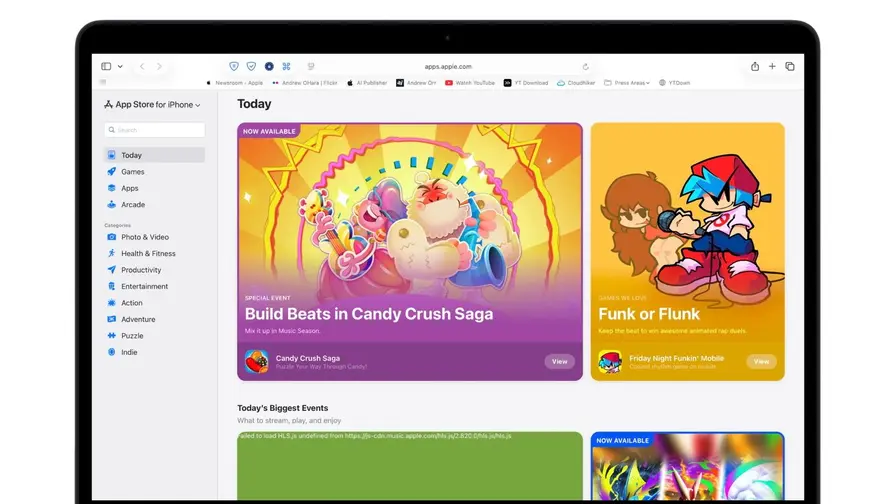
So what happens when inventory explodes but consumers don’t follow? Visibility becomes scarce. Developers now compete in a denser field for attention. Getting noticed requires sharper marketing, smarter ASO, or luck. It also piles pressure on Apple’s review teams, which must vet a flood of submissions while trying to maintain quality and safety standards.

Journalists at the New York Times highlighted the trend, attributing much of the surge to the rise of what some call vibe-coding — a casual term for AI-enabled programming that lowers the barrier to entry. People without formal engineering backgrounds can assemble functional apps, prototypes, or niche utilities using generative models and templates. Rapid iteration becomes the new normal.
That has benefits. Faster prototyping, more experimentation, and a broader set of creators producing niche tools can all expand innovation. But there are trade-offs. Discovery costs climb. The overall app ecosystem risks fragmentation. And with more supply chasing stable demand, economic pressure could push average app prices downward over time, changing developer business models.
Ultimately, this moment feels like a crossroads. AI has democratized creation in a way that amplifies both promise and friction. The App Store is richer in choice, but also noisier. Will quality rise to meet quantity? Or will discoverability and moderation become the bottlenecks that define the next era of mobile software?

“I love exploring gadgets, apps, and trends that redefine how we connect, work, and play in a digital world.”

Discussion
Leave a Comment
Comments
No comments yet. Be the first.