
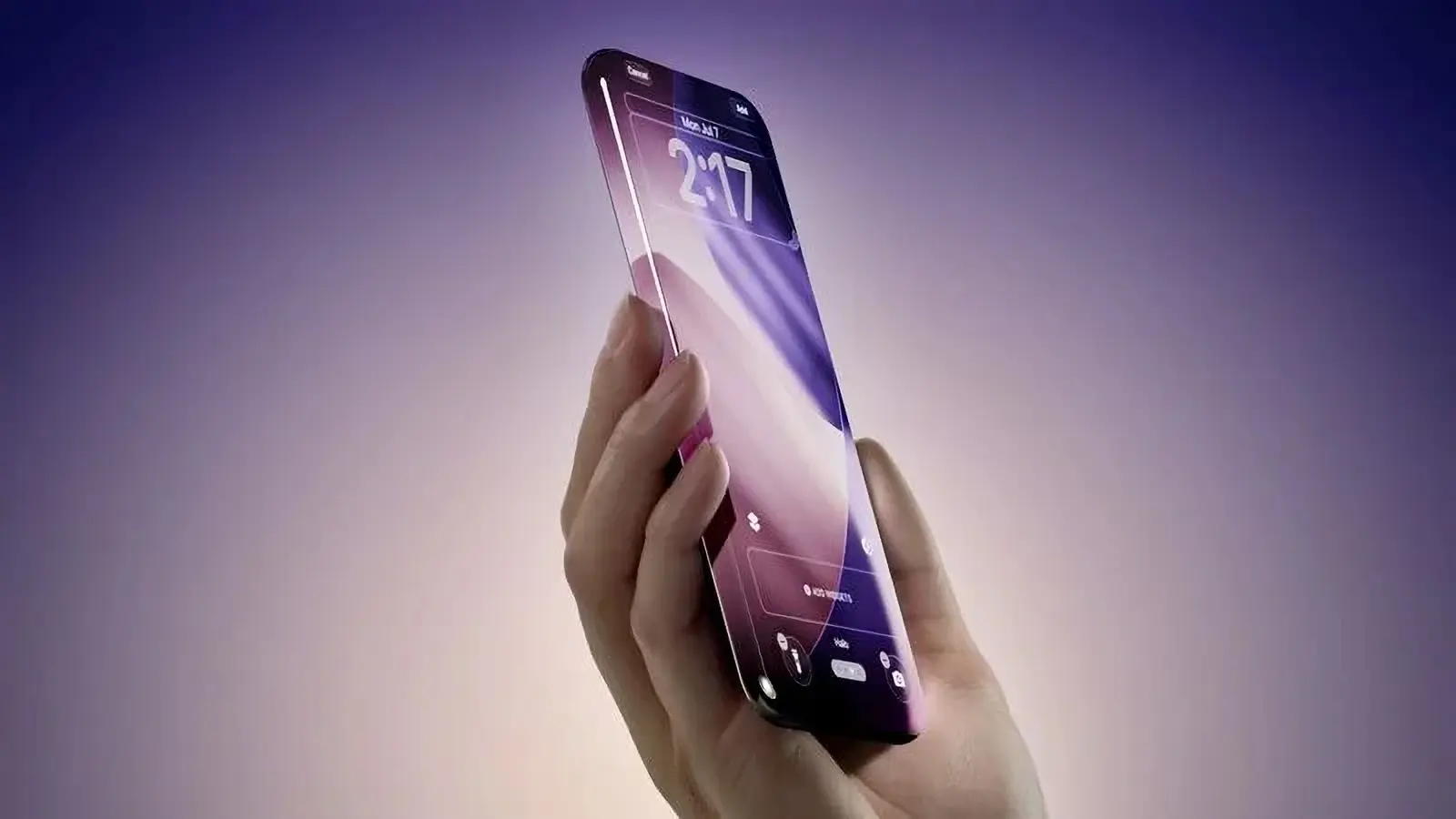
Imagine a phone made entirely of glass: seamless front to back, no buttons, no ports, a sculpted slab meant to mark two decades of the iPhone. It sounded like art and engineering in a single breath. Now, according to a new supply-chain whisper, that vision has evaporated.
The rumor mill hit a yield wall
Jefferies analyst Edison Lee says the so-called all-glass 20th anniversary iPhone has been canceled. His sources in Apple’s supply chain point to low manufacturing yield as the reason. That kind of production trouble is a simple and brutal barrier. You can dream big, but if glass rejects exceed tolerable rates, the economics fail before the design even reaches consumers.
The project reportedly fell apart because factories couldn’t make enough usable units at scale.
Lee framed the cancellation as a setback for Apple’s efforts to nudge its average selling price upward at a time when memory costs are climbing. He referenced an estimated retail price of about €1,860 for the halo model. That figure, plausible or not, underlines the strategy: build a high-end flagship that sells at a premium and lifts the portfolio’s overall value.
But this whole scenario has always lived partially in the land of informed guesswork. Over the past year the rumor mill served up a parade of design fantasies: quad-curved screens, a buttonless chassis, no visible ports and, in some versions, the disappearance of the Dynamic Island. All of them read like a wish list for a design studio. They also read like engineering traps.

And then there’s the practical side. Apple is already preparing a halo device called iPhone Ultra, due to be revealed next month. If the Ultra becomes the company’s crown jewel for the coming years, why rush another experimental premium model into the market? It makes sense to let one high-end design breathe, sell, and mature before introducing a second one to chase margin gains.
Lee also suggested that the all-glass innovations would have trickled down to future Pro and Pro Max models, lifting their average selling price and margins. That’s a familiar playbook in consumer tech: premium features debut on a halo product and later broaden into the mainstream lineup. But until a prototype survives factory tests reliably, all those downstream upgrades remain theoretical.
What matters now is timing and priorities. Apple has to balance product ambition against manufacturing reality. A headline-grabbing, break-the-mold phone is seductive. A shipping product that consumers can actually buy, at scale and at an acceptable price, is the business that pays the bills.
So where does that leave us? For now the all-glass anniversary iPhone is reportedly dead, at least in its radical form. Whether the idea returns in a more pragmatic guise, or whether Apple leans into the Ultra and stretches that family over the next two years, is the next plot twist to watch.

“I love exploring gadgets, apps, and trends that redefine how we connect, work, and play in a digital world.”

Discussion
Leave a Comment
Comments (2)
I've seen this in fabs, no surprise. Fancy glass looks great but yields ruin margins. Let the Ultra breathe and actually ship stuff, ugh
So the all-glass iPhone is dead? If yields were the issue why not delay instead of cancel, or is this just supply chain guesswork? hmm