
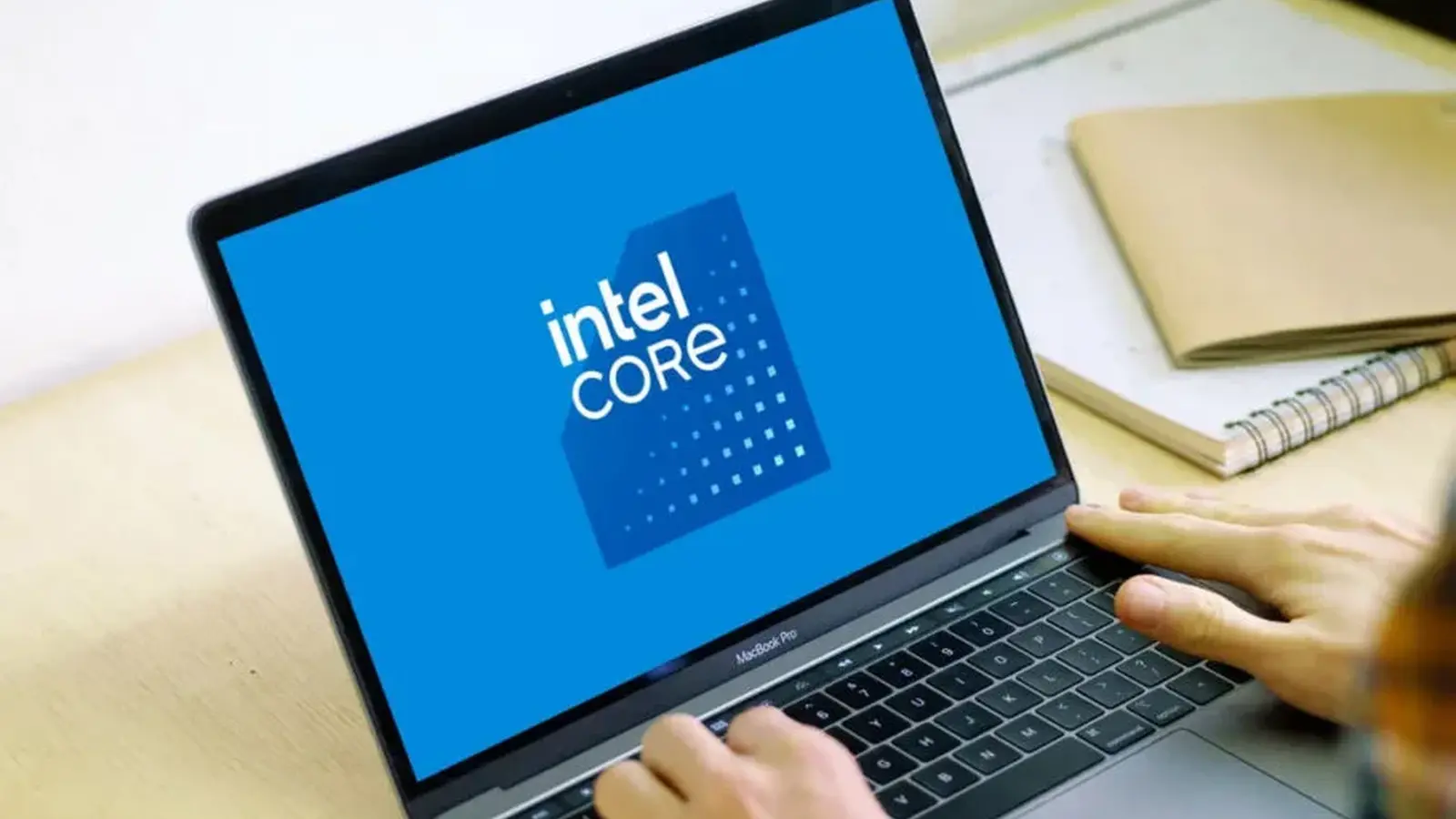
Imagine opening an app one morning and seeing a message that it no longer runs on your older Mac. That moment is inching closer for anyone still using Intel-powered Macs. Apple has quietly given developers permission to stop building and supporting Intel-specific versions of Mac apps.
When Rosetta fades, choices get real
Nearly six years after the first M-series chips arrived, Apple has told developers that Mac App Store apps which target macOS 13 or later may drop Intel support. The rationale is simple: fewer code paths means faster development, smaller downloads, and less disk space consumed on users' machines. For teams juggling universal binaries and legacy testing, that is a tempting tradeoff.
There is a concrete endpoint in sight. Apple flagged macOS 26 Tahoe as the final version to receive full Intel-era updates, and its latest support notes say macOS 27 will be the last release to include the Rosetta translation layer. After that, Intel-only code will stop working on Apple silicon entirely. Developers who remove Intel builds now are effectively accelerating a transition that Apple has been steering since the M chips launched.

Still, this is not an automatic switch. The company left the decision in developers' hands. Teams must weigh how many active users still run Intel Macs, what support costs look like, and whether maintaining separate builds makes sense for their roadmap. Some studios will drop Intel support immediately to simplify release pipelines. Others will keep both builds for a while, especially apps with older enterprise customers or niche audiences.
For users the impact will vary. Consumers who upgraded to Apple silicon years ago will hardly notice. But businesses and creatives that rely on legacy hardware might face compatibility hurdles if their favorite apps drop Intel binaries. The soft landing period gives everyone time to plan: developers can announce timelines, offer updates, or maintain legacy downloads outside the App Store if needed.
In short, Apple has opened the door for a full transition away from Intel on macOS. The choice now belongs to developers, who must balance technical simplicity against their user base's reality. Expect a staggered exodus rather than a single, dramatic cutoff.

“I love exploring gadgets, apps, and trends that redefine how we connect, work, and play in a digital world.”

Discussion
Leave a Comment
Comments
No comments yet. Be the first.