
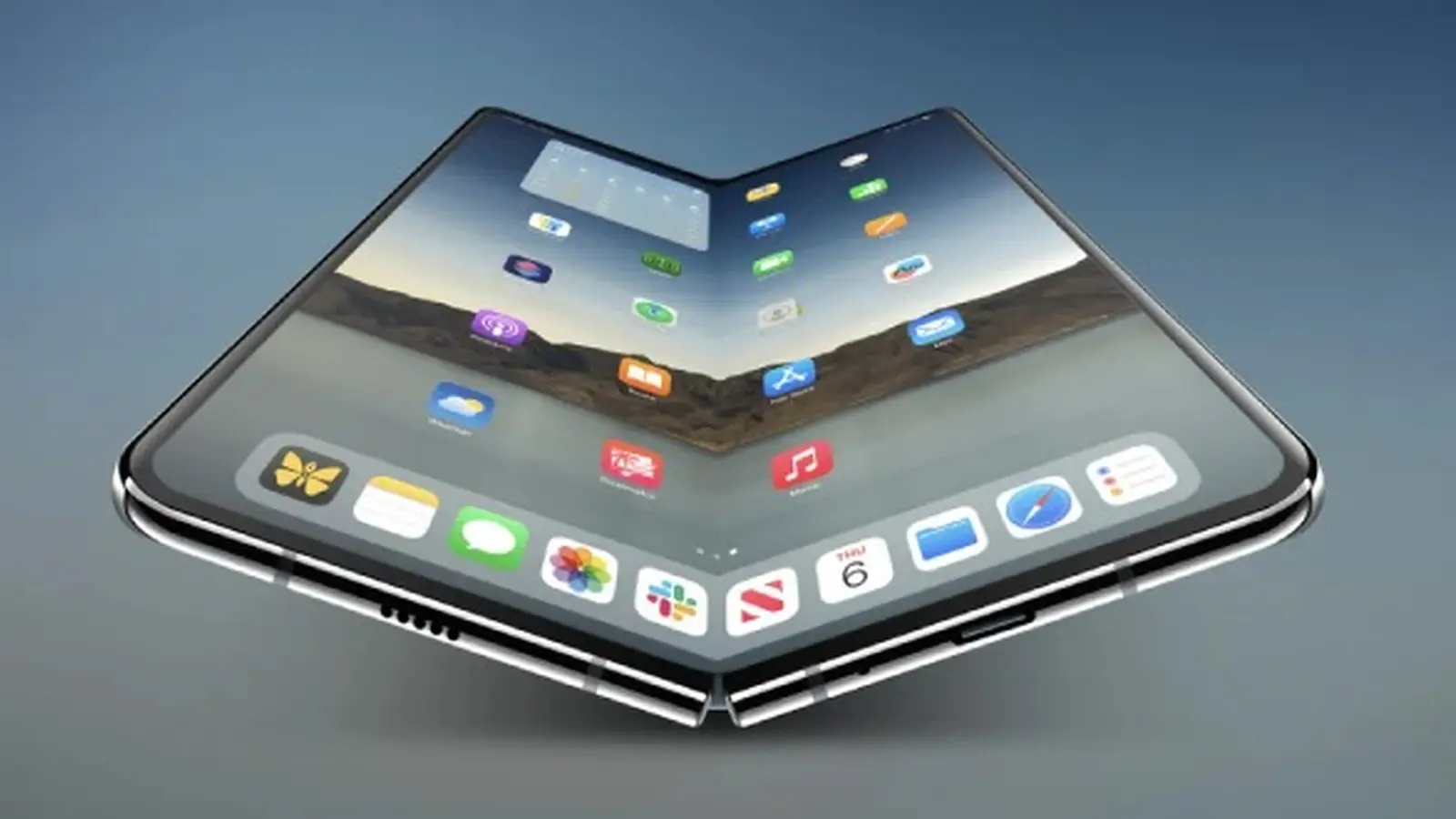
Imagine paying roughly €1,850 for a device that folds like a notebook but deliberately skips some of the features you expect from a flagship. That contradiction is at the heart of what appears to be Apple’s first foldable, reportedly nicknamed iPhone Ultra.
Where Apple seems to have traded features for thinness
Leaks and mockups paint a phone with a very slim profile, closer to an iPhone Air than a hulking foldable. Slimness solves portability. It also creates tight internal real estate. The trade-off: no room for Apple’s TrueDepth camera array, which powers Face ID. Instead, reports say Apple may bring back Touch ID in the side button, a biometric solution last seen on iPhones in 2016. Meanwhile, the upcoming iPhone 18 Pro models appear to be taking a different technical route by moving parts of Face ID under the display.
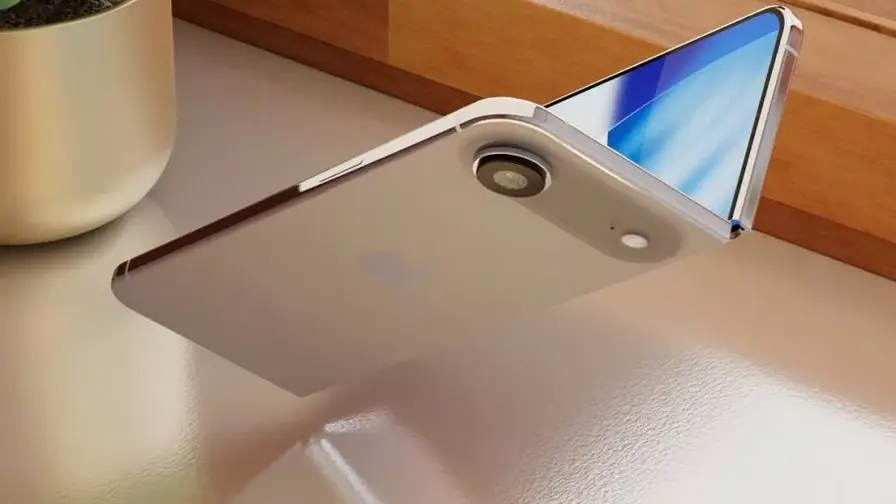
Camera expectations have also been tempered. Early hands-on impressions cited solid overall feel but flagged the camera system as the phone’s weak link. Mockups suggest two 48 megapixel sensors covering main and ultra wide duties, with no telephoto module. That means less reach for portrait and zoom shots, a noticeable omission for users who rely on optical zoom.
Physical controls look rethought too. The left edge on prototype units appears clean, with volume buttons shifted to the top edge in an arrangement reminiscent of an iPad mini. The result: no Action button and no dedicated mute switch. For the first time in three years, Apple would produce an iPhone without either of those tactile shortcuts.

Connectivity choices reflect the same pattern of compromise. The iPhone Ultra is expected to be eSIM-only, dropping the physical SIM tray just like the iPhone Air line. And if Apple fits its in-house C2 modem, mmWave 5G support is unlikely, since reports indicate the C2 does not yet handle that high-frequency band. In contrast, iPhone 18 Pro models destined for the U.S. market are expected to keep Qualcomm hardware to preserve mmWave compatibility.
This could be Apple’s priciest iPhone yet.
So who is this phone for? Early adopters who crave novelty, photographers who prioritize portability over telephoto reach, or power users who need every connectivity band? The answers will matter. A €1,850 sticker plus missing flagship features forces a new calculus: premium design and foldable form factor versus trimmed hardware and fewer creature comforts.
Apple will likely reveal details soon. When that happens, buyers will decide whether the compromises are tolerable for the novelty of a genuine foldable iPhone, or whether the missing pieces make it feel like a rushed first draft.

“I cover emerging technologies, digital innovation, and the intersection of tech and everyday life. My goal is to make complex trends accessible and inspiring.”

Discussion
Leave a Comment
Comments
No comments yet. Be the first.