
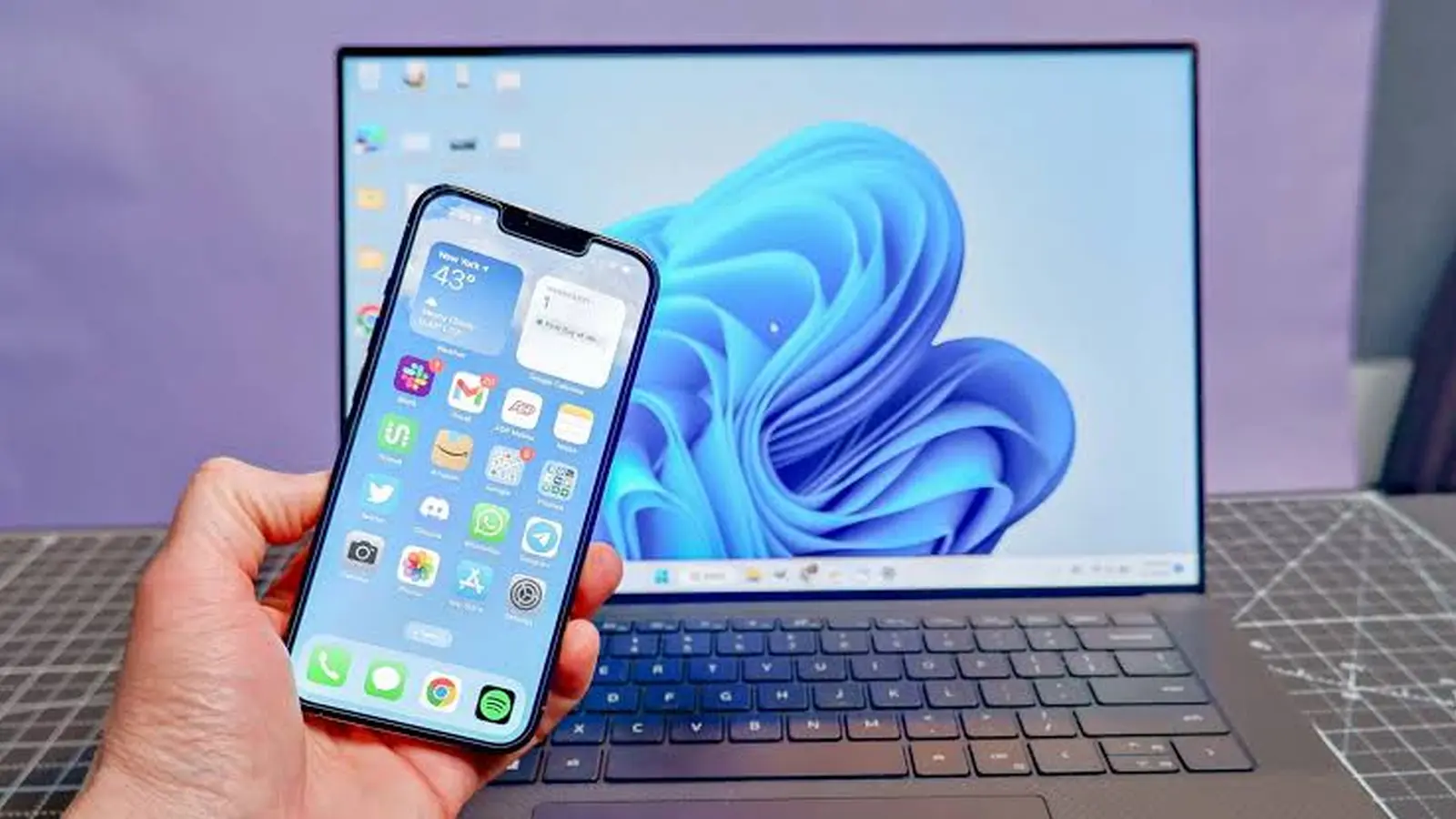
Imagine copying a recipe on your iPhone and pasting it straight into a document on a Windows PC. No workarounds. No screenshots. Just paste. That simple convenience could be coming to users in the European Union thanks to a formal interoperability request from Microsoft.
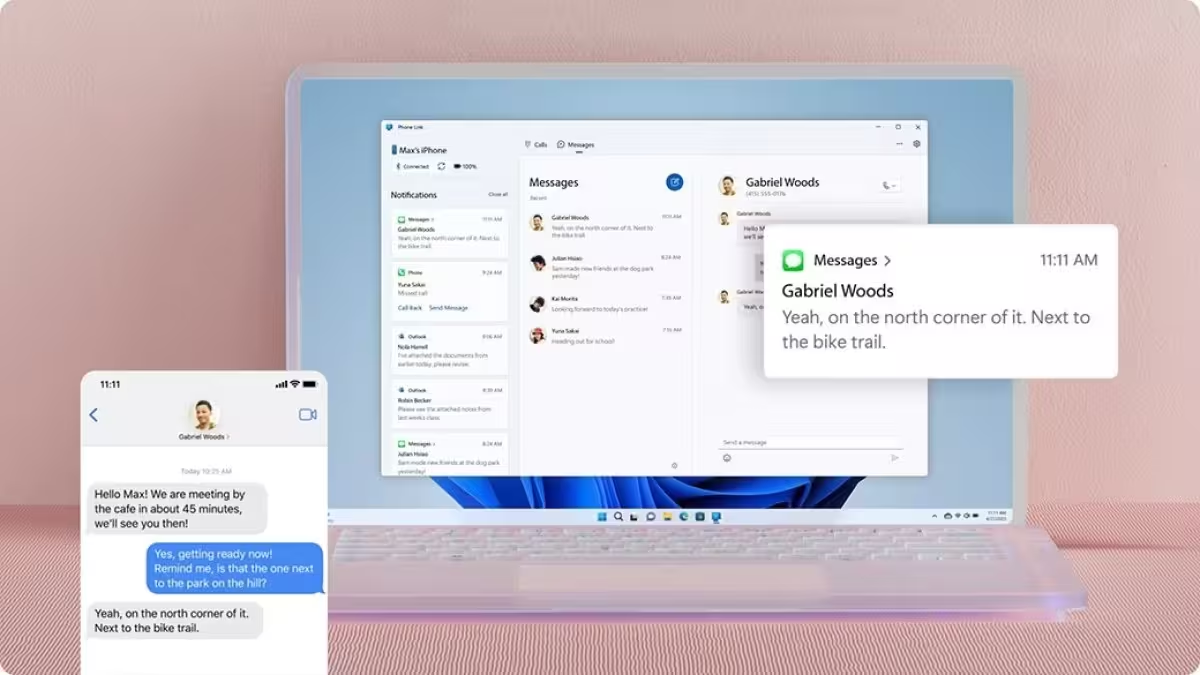
Microsoft filed the request through Apple's EU Interoperability Request system and Apple began work on a response in March, submitting a proposed implementation plan in June. The technical idea is straightforward: allow clipboard content to travel between a paired iPhone and a Windows machine, both directions supported.
Under the plan, developers would be able to create extensions that share clipboard items with paired devices, and users would have to grant a one-time permission to enable the feature. Clipboard syncing is designed to operate even when the originating app is not in the foreground, making the behavior feel seamless and immediate.
A small change with practical consequences
Why should this matter beyond convenience? Because clipboard sync touches privacy, app architecture, and the way ecosystems cooperate. Allowing third-party extensions to broker clipboard transfers opens possibilities for richer cross-device workflows, but it also demands careful permission handling and engineering to prevent unwanted data leaks.
Apple describes the engineering work as substantial and does not expect the feature to be ready before fall 2027. When it does arrive, the first appearance will be as a developer beta, followed by a public release. Because this work stems from EU interoperability rules, availability outside the EU is not guaranteed, although Apple could opt to expand support later.
So what happens next? Developers will watch for APIs and documentation. Privacy advocates will look at the permission model. And users will test whether a tiny behavior change actually saves time—or introduces new friction. Either way, this is one of those small, practical updates that quietly changes how people move data between devices.


“I love exploring gadgets, apps, and trends that redefine how we connect, work, and play in a digital world.”

Discussion
Leave a Comment
Comments
No comments yet. Be the first.