
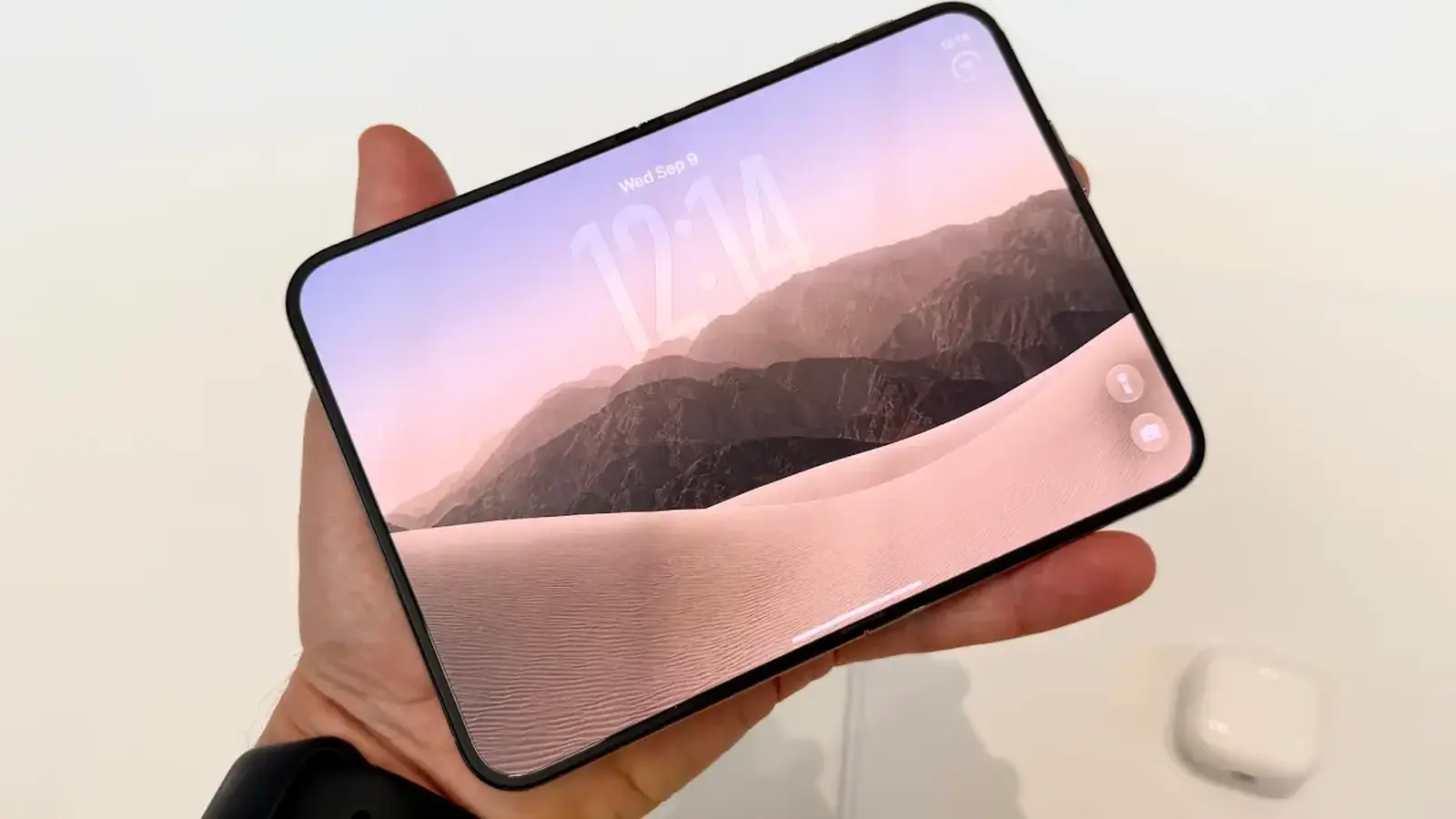
The foldable phone market is tilting. TrendForce's latest forecast suggests Apple could ship about 5 million folding iPhones by the end of 2026, enough to give it roughly 24.8 percent of the market and a solid second-place position behind Samsung.
Global foldable shipments are not exploding, but they are creeping up. TrendForce sees 20.2 million units in 2026, a modest 0.5 percent rise from 2025, with momentum pushing shipments to around 23.5 million in 2027. Small numbers, big implications.
Reading the market beyond the raw totals
Samsung still leads. The research group projects Samsung will move about 7.1 million foldable units in 2027, which would translate to roughly 35 percent market share. Huawei is forecast to ship near 5 million units, capturing about 24.8 percent in that year. Apples 5 million projection is for 2026, while Huawei's 5 million is shown in the 2027 outlook.
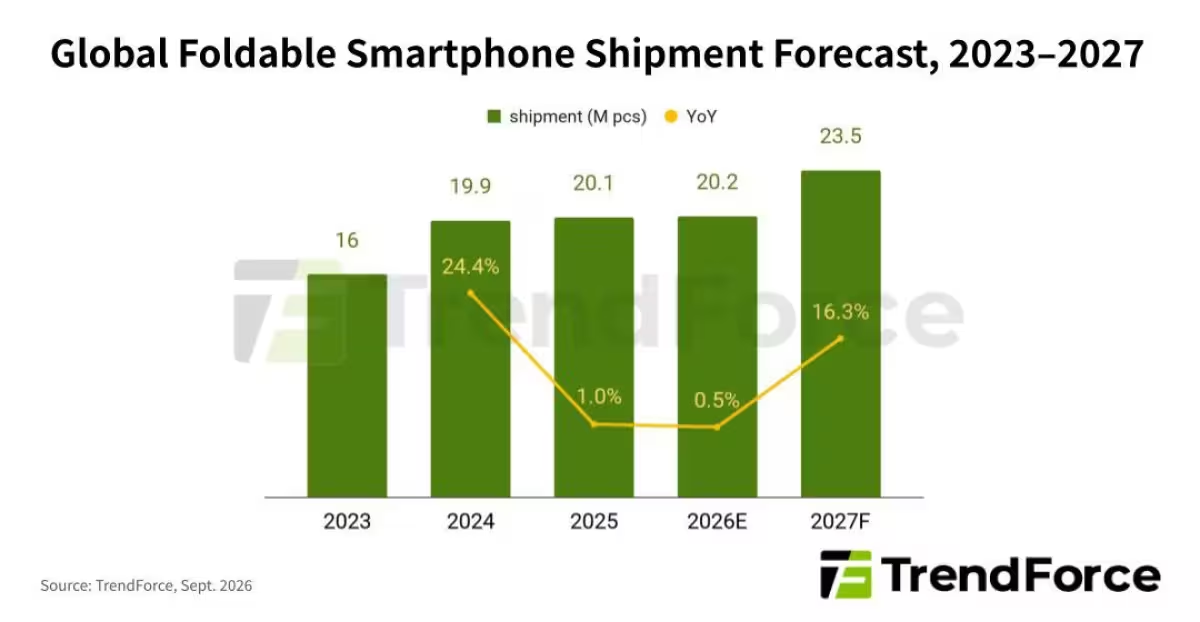
Why do these figures matter? For manufacturers, every percentage point is a measure of who controls the design language, app optimization, and the accessory ecosystem for foldables. For consumers, it means more model choices and faster refinement in build quality. And for the broader industry, modest but steady adoption signals a shift: foldables are moving from novelty to category.
TrendForce points to two core drivers. First, hardware is improving: screens are more robust, hinges are less fragile, and internal components are being optimized for the unique form factors. Second, artificial intelligence features are creating tangible use cases that play well with larger, flexible displays, from multitasking gestures to smarter camera behaviors.
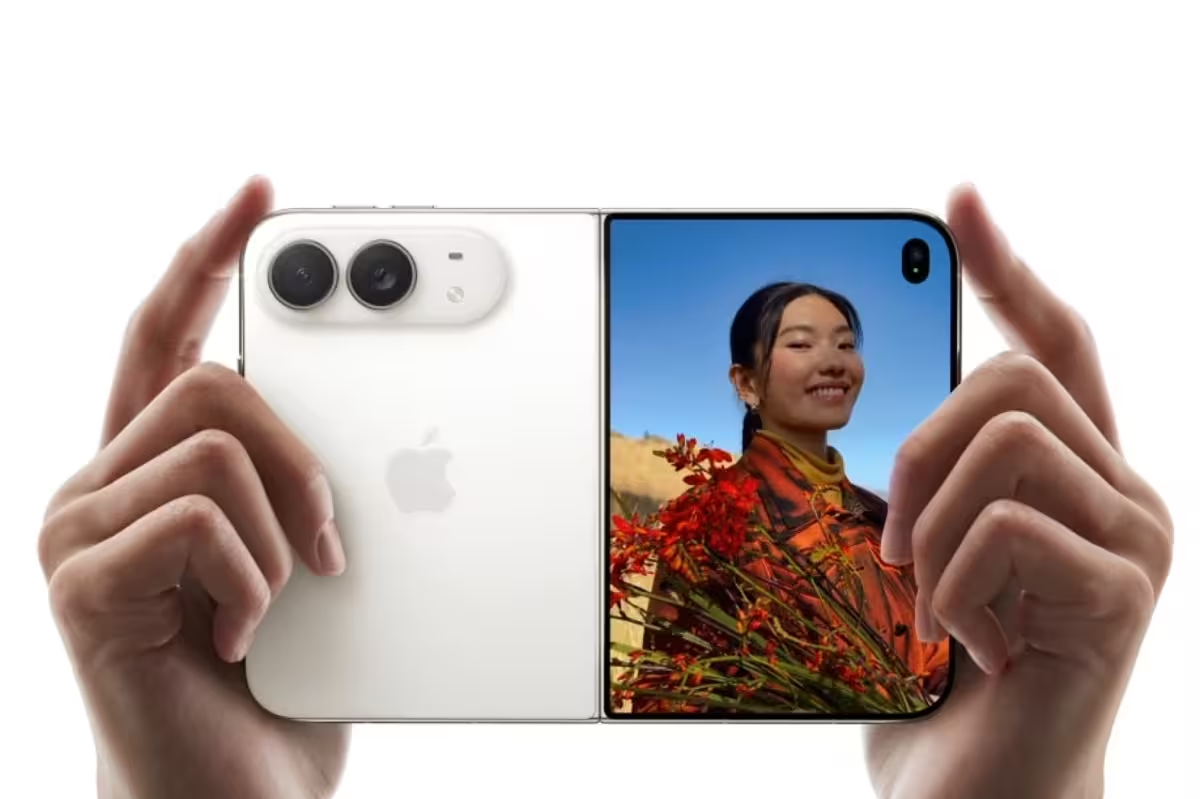
So what should we expect next? Faster iteration from incumbents. More competitive pricing over time. And perhaps most important, an ecosystem battle where app developers and accessory makers decide if foldables are worth deeper investment. The numbers alone do not guarantee mainstream dominance, but they do suggest the category is finally on stable footing.

“I love exploring gadgets, apps, and trends that redefine how we connect, work, and play in a digital world.”

Discussion
Leave a Comment
Comments
No comments yet. Be the first.