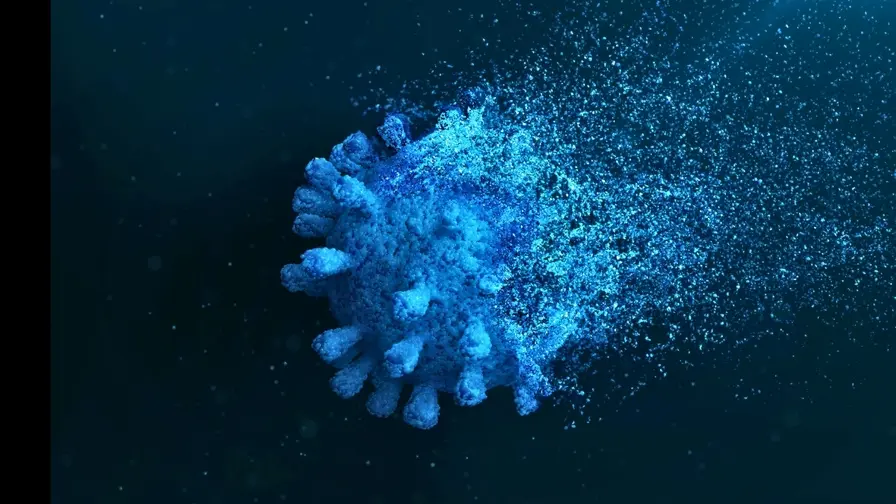
Read MoreOliver Hayes2026-02-022Zombie Virus Fragments That Kill Immune Cells ExplainedTiny protein fragments left behind by SARS-CoV-2 can target and disable dendritic cells and T cells, helping explain immune depletion in long COVID. New PNAS research maps this physical mechanism and its implications.
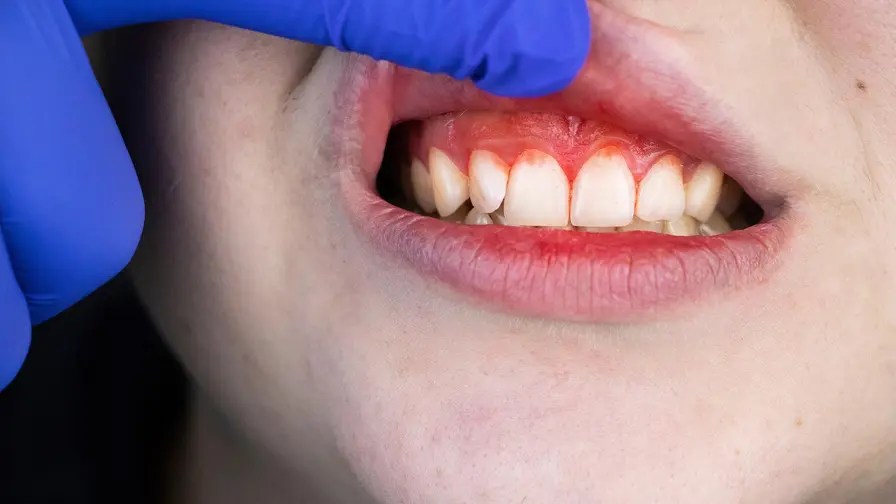
Read MoreNora Schmidt2026-02-012How a Common Mouth Bacterium Could Ignite Breast Cancer RiskNew research links the oral bacterium Fusobacterium nucleatum to early breast tissue changes, DNA damage, and faster tumor growth, especially in BRCA1-mutant cells, highlighting oral health as a potential modifier of cancer risk.
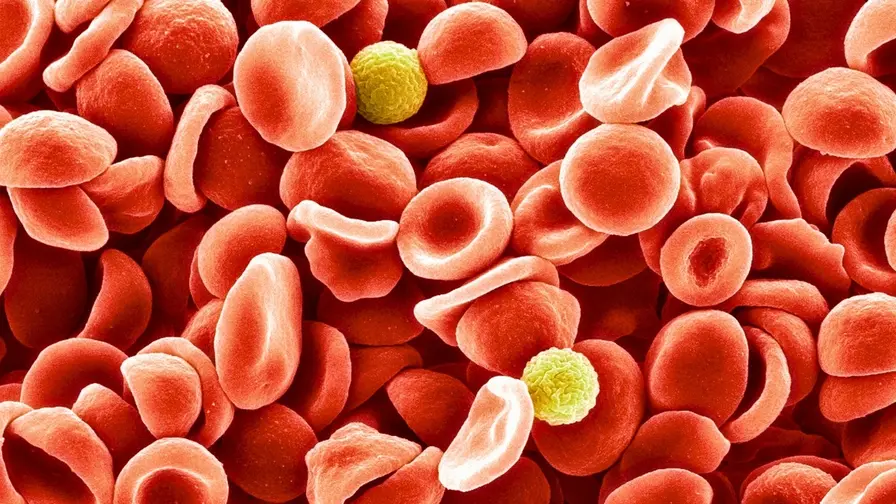
Read MoreNora Schmidt2026-02-012The 50-Year Mystery That Revealed a New Human Blood GroupA 1972 blood sample missing a surface molecule led to the 2024 identification of the MAL blood group and the AnWj antigen. This discovery clarifies rare transfusion risks and enables better patient testing.
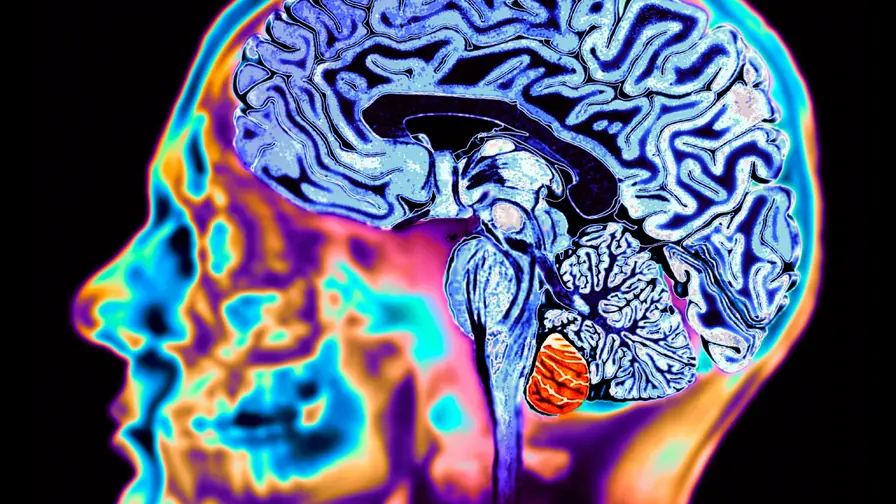
Read MoreNora Schmidt2026-01-312Sleep Strips Brain Insulation: How Myelin Gets DamagedNew research links chronic sleep loss to thinner myelin sheaths via oligodendrocyte cholesterol disruption. MRI and animal experiments show slowed neural conduction and behavioral deficits—suggesting potential therapeutic targets.
Read MoreNora Schmidt2026-01-313Why Whole Foods Cut 330 Daily Calories — New ReanalysisA reanalysis of a landmark feeding trial shows that diets of unprocessed foods led people to eat larger volumes of fruits and vegetables and yet consume about 330 fewer calories daily, suggesting an instinctive nutrient-driven behaviour.
Read MoreOliver Hayes2026-01-313How Cancer Signals Might Shield the Brain from Alzheimer'sA new mouse study suggests some tumours release cystatin-C into the bloodstream, activating microglia to clear amyloid beta and reduce Alzheimer-like plaques—offering a potential therapeutic pathway to explore.
Read MoreOliver Hayes2026-01-302US Life Expectancy Hits 79 in 2024 — Recovery ContinuesUS life expectancy rose to 79 years in 2024, the highest on record, driven by declines in heart disease, overdoses and COVID-19 deaths. Preliminary 2025 figures suggest continued improvement amid persistent gaps with other nations.
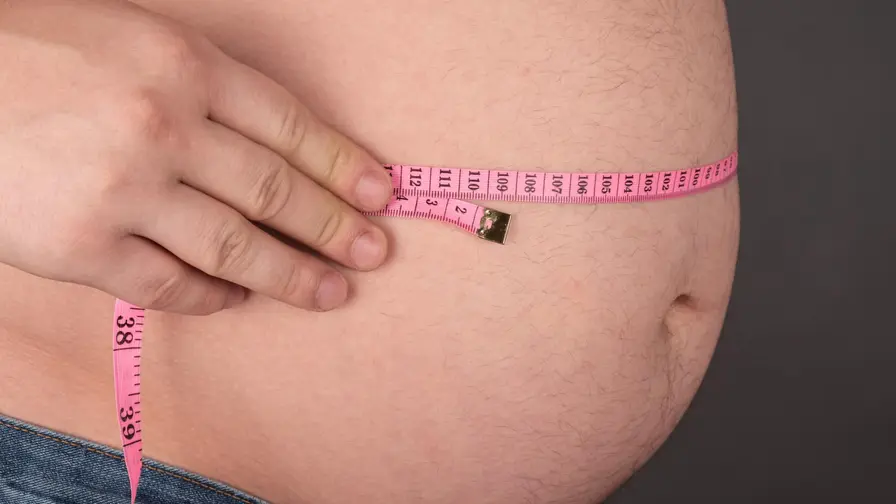
Read MoreNora Schmidt2026-01-302Blocking a New Enzyme Stops Weight Gain, Lowers CholesterolResearchers identified SCoR2, an enzyme that removes nitric oxide from proteins involved in lipid production. Blocking SCoR2 in mice prevented weight gain, reduced liver damage, and lowered harmful cholesterol.
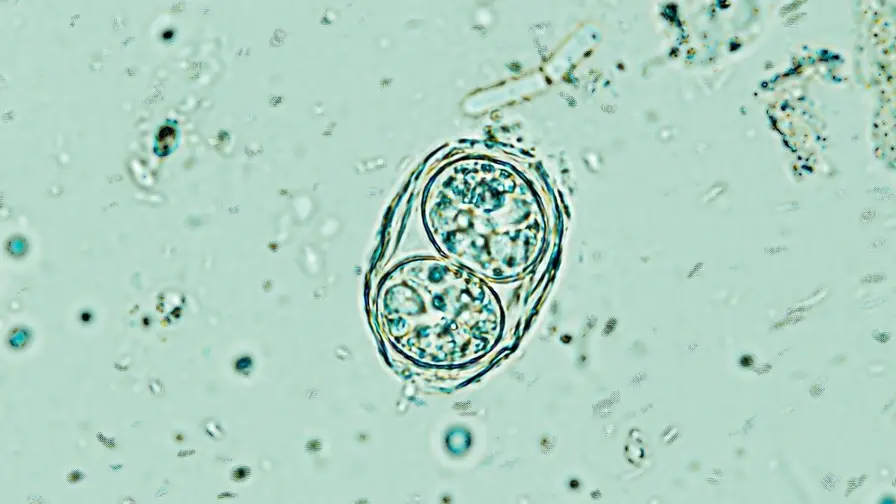
Read MoreNora Schmidt2026-01-29Toxoplasma Cysts Evolve Rapidly, Defying Classic Life-CycleResearchers found that Toxoplasma gondii cysts in mouse brains harbor greater parasite diversity over time, challenging the classic linear life-cycle model and reshaping ideas for therapies.
Read MoreOliver Hayes2026-01-293Why Many Women Are Adding Creatine to Daily RoutinesCreatine—an inexpensive compound found in meat and produced by the body—can support women’s muscle, bone, brain, mood, and sleep when combined with resistance training. Practical dosing and safety guidance explained.
Read MoreNora Schmidt2026-01-292Vibration-Activated Tooth Powder Brightens and RepairsA piezoelectric tooth powder uses electric toothbrush vibrations to trigger stain-clearing chemistry at the tooth surface, while depositing minerals that help rebuild enamel and shift the oral microbiome.
Read MoreNora Schmidt2026-01-292Night Owls Linked to Higher Heart Attack and Stroke RiskA large UK Biobank study links evening chronotypes to a higher risk of first heart attack or stroke. The findings matter for drivers, fleets and automotive safety; practical steps can reduce risk.
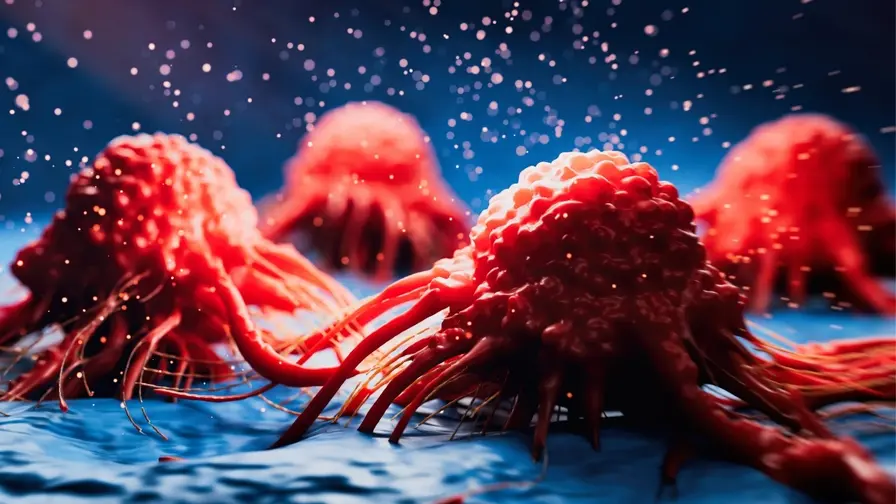
Read MoreNora Schmidt2026-01-292U.S. Cancer Five-Year Survival Reaches 70% MilestoneU.S. five-year cancer survival has climbed to 70% for 2015–2021 diagnoses, a major milestone. The ACS report outlines trends, disparities, and implications for public health and the automotive workforce.
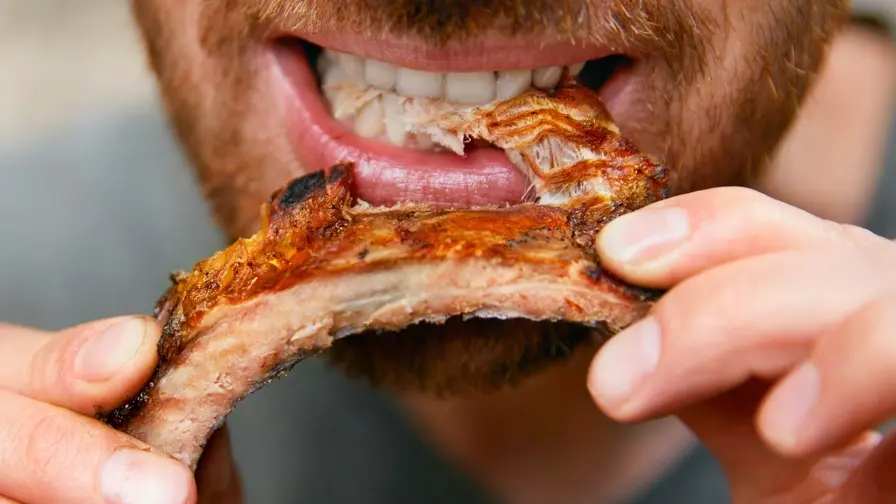
Read MoreOliver Hayes2026-01-282Why Centenarians Often Eat Meat — The Full PictureA study of Chinese adults 80+ found non-meat eaters were less likely to reach 100, but the effect was linked to underweight status. Learn why protein, weight and tailored nutrition matter in late life.
Read MoreOliver Hayes2026-01-282Five Extra Minutes a Day Could Lengthen Your Life NowAnalysis of wearable data from 130,000+ people suggests that adding five minutes of moderate-to-vigorous activity daily—or cutting 30 minutes of sitting—can lower estimated mortality risk, especially for the least active.
Read MoreNora Schmidt2026-01-273Menopause and the Brain: Decline, Mood & Memory RisksA large UK Biobank study finds menopause associated with grey matter loss in memory- and emotion-related brain regions, higher rates of anxiety, depression and sleep issues, and modest HRT effects on reaction speed.
Read MoreNora Schmidt2026-01-263Three Hidden Signs You May Be Grinding Your Teeth NowLearn the subtle signs of teeth grinding (bruxism), why it happens, and how clinicians diagnose and treat it. Discover lifestyle fixes, night guards, sleep testing, and expert advice to protect your jaw and teeth.
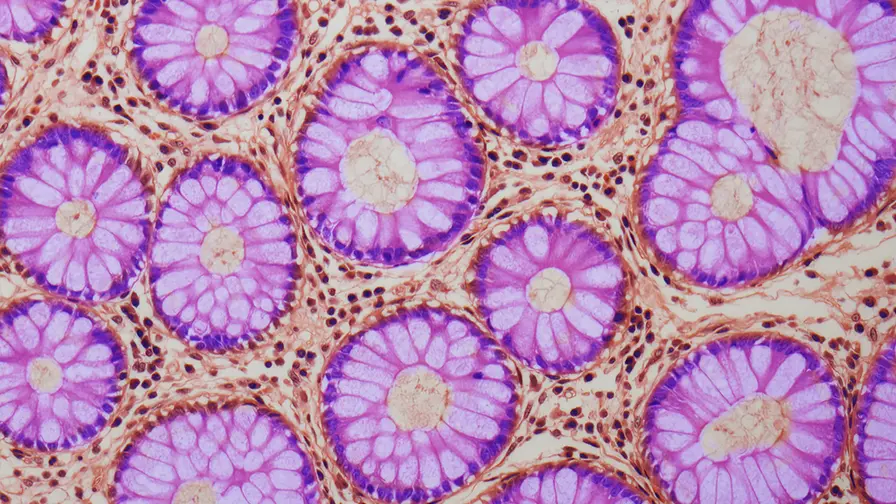
Read MoreNora Schmidt2026-01-262Hidden Epigenetic Drift in Gut Raises Colon Cancer RiskA new study identifies ACCA epigenetic drift in gut stem cells — fueled by inflammation, low iron and weakened growth signals — that silences tumor-suppressor genes and expands cancer risk with age.
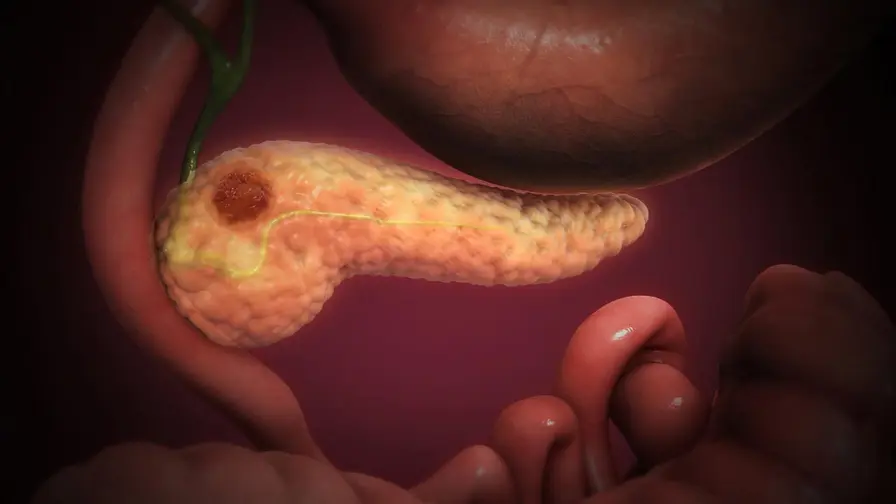
Read MoreOliver Hayes2026-01-253How Pancreatic Tumors Use Periostin to Invade NervesBrazilian researchers show how periostin from pancreatic stellate cells remodels tissue and enables nerve invasion, explaining pancreatic cancer's aggressiveness and pointing to new therapeutic targets.
Read MoreNora Schmidt2026-01-242Post-Meal Glucose Spikes Raise Alzheimer's Risk 69%A UK genetic study links higher 2-hour post-meal blood glucose spikes to a 69% increased Alzheimer’s risk, highlighting postprandial glucose control as a potential prevention target—but findings need replication.