Read MoreOliver Hayes2026-01-092Three Nights of Binge Drinking Can Rapidly Damage the GutNew mouse research finds that three consecutive nights of binge drinking cause rapid intestinal injury, immune activation and a leaky gut that may expose the liver to harmful bacterial products.
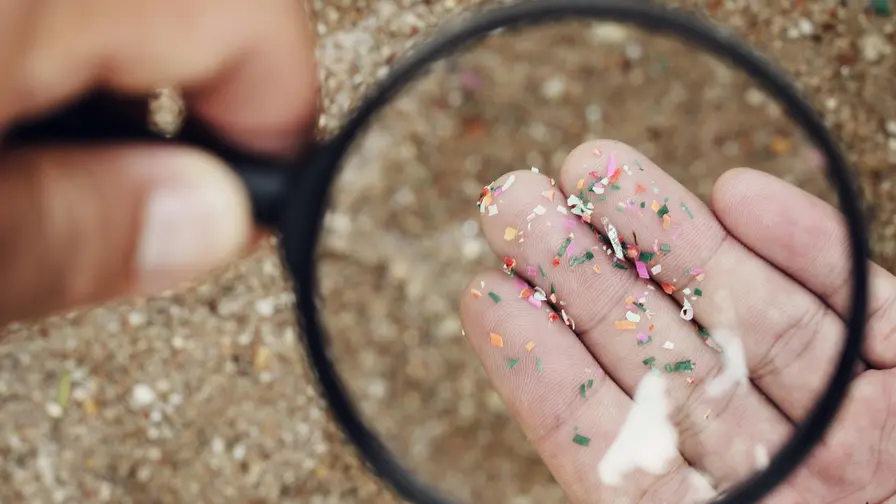
Read MoreOliver Hayes2026-01-082Hidden Plastic Clouds: Cities Are Breathing MicroplasticsNew semi‑automated measurements reveal cities carry far more airborne microplastics and nanoplastics than earlier methods detected, with implications for air quality, health, and climate.
Read MoreNora Schmidt2026-01-063Nightmares May Signal Higher Dementia Risk in Later LifeNew analysis links frequent nightmares in middle and older age to higher risk of cognitive decline and dementia, especially in men. Treatable nightmares could offer an early, actionable signal for brain health.
Read MoreNora Schmidt2026-01-063Marathon Running and Heart Health: Stress, Not DamageA decade-long study finds transient post-race heart changes in marathon runners but no lasting damage for most recreational athletes. Learn what troponin rises mean and when symptoms warrant urgent review.
Read MoreNora Schmidt2026-01-052Walk While You Work: How Treadmill Desks Boost HealthDiscover how a treadmill desk or walking pad can reduce sedentary time, boost daily steps, and improve blood pressure and metabolism. Practical tips, study findings, and expert insight for workers and employers.
Read MoreNora Schmidt2026-01-053A Periodic Table for Multimodal AI: A Unified FrameworkEmory physicists propose a Variational Multivariate Information Bottleneck framework that organizes multimodal AI methods, guiding loss-function design to retain only task-relevant information and reduce data and compute needs.
Read MoreNora Schmidt2026-01-042Youngest Alzheimer's Case: A 19-Year-Old Without MutationsA 19-year-old was diagnosed with probable Alzheimer's disease despite lacking known genetic mutations. This rare early-onset case challenges current understanding and highlights the need for deeper genetic, molecular, and longitudinal research.
Read MoreNora Schmidt2026-01-033Early Brain Signals Predict Alzheimer's Years AheadResearchers using MEG and a novel spectral-events analysis found altered beta-band neural bursts that predict progression from mild cognitive impairment to Alzheimer’s disease up to years before diagnosis.
Read MoreNora Schmidt2026-01-032When Does Physical Aging Start? 47-Year Study Finds 35A 47-year Swedish longitudinal study finds physical fitness often peaks by 35. The research shows early declines in aerobic capacity and strength, but exercise at any age improves performance by 5–10%.
Read MoreOliver Hayes2026-01-032Common Diabetes Drugs May Strip Beta Cell IdentityNew research suggests sulphonylureas, a common class of type 2 diabetes drugs, may drive pancreatic beta cells to lose their functional identity—potentially explaining long-term loss of drug effectiveness.
Read MoreNora Schmidt2026-01-012Dopamine’s Hidden Job: Rethinking Parkinson’s Motor SignalsMcGill researchers show dopamine may not set movement speed directly but instead provides a baseline condition for movement, reshaping how levodopa and Parkinson’s therapies are understood.
Read MoreNora Schmidt2026-01-012117-Year-Old's DNA Reveals Clues to Extreme LongevityAnalysis of samples from 117-year-old Maria Branyas reveals rare genetic variants, youthful epigenetic and immune signatures, and favorable metabolic markers that may explain her exceptional longevity and suggest biomarkers for healthy aging.
Read MoreOliver Hayes2025-12-312US Gestational Diabetes Rates Rose 36% Nationwide in DecadeA new analysis of nearly 13 million first births finds gestational diabetes diagnoses rose 36% across the US from 2016–2024, with especially high rates in American Indian/Alaska Native, Asian, and Pacific Islander mothers.
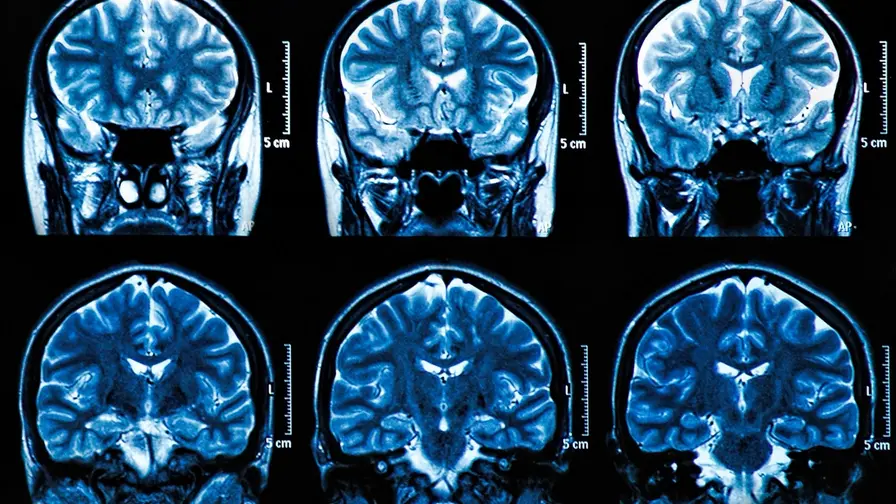
Read MoreNora Schmidt2025-12-312Advanced MRI Reveals Quiet, Lasting COVID-19 Brain ChangesAdvanced multimodal MRI shows COVID-19 can leave measurable changes in brain tissue, chemistry, and signal patterns even after apparent recovery, offering clues to persistent cognitive symptoms and future monitoring needs.
Read MoreOliver Hayes2025-12-302Boiling Water Reduces Microplastics - Easy Home MethodResearch shows boiling then straining tap water can remove up to 90% of micro- and nanoplastics in hard water. A practical, low-cost step drivers and campers can use to reduce plastic exposure on the road.
Read MoreOliver Hayes2025-12-302Full-Fat Cheese Linked to Lower Dementia Risk — CaveatsA long Swedish cohort study links higher intake of full‑fat cheese and cream to modestly lower dementia risk in some groups, but genetic factors, lifestyle confounders and substitution effects complicate interpretation.
Read MoreNora Schmidt2025-12-293Sugar Coat Revealed: New Antibody Awakens Immune ResponseNorthwestern researchers found pancreatic tumors hide behind a sialic acid sugar shield that engages Siglec‑10. A newly developed monoclonal antibody breaks that shield in mice, restoring immune attack and slowing tumor growth.
Read MoreOliver Hayes2025-12-292How Everyday Drinking Raises Cancer Risk Across PopulationsA comprehensive review links drinking patterns—from moderate to heavy—to higher risks for breast, colorectal, liver and other cancers, and highlights how biology and social factors shape vulnerability.
Read MoreOliver Hayes2025-12-282When Brains See Faces in Cars: Visual Snow ExplainedSome drivers with visual snow syndrome — a rare condition that creates constant visual 'static' — are more prone to face pareidolia, seeing faces in car fronts, textures and lighting. This research links perception, migraine and automotive design implications.
Read MoreOliver Hayes2025-12-282Type 2 Diabetes Rewires the Heart and Raises Failure RiskA University of Sydney study shows type 2 diabetes rewires heart energy systems and structure, raising heart failure risk. Findings have implications for driver health, in-car monitoring, fleet safety and vehicle design.