Read MoreNora Schmidt2026-02-243Muscles Might Hold the Key to Beating Alzheimer’sNew research shows that boosting muscle-derived Cathepsin B preserves memory and hippocampal neurogenesis in an Alzheimer’s mouse model, suggesting muscle–brain signaling as a therapeutic avenue.
Read MoreOliver Hayes2026-02-232Living Near Nuclear Plants Tied to Higher Cancer DeathsA nationwide Harvard-led study links closer county proximity to operating nuclear power plants with higher cancer death rates. The analysis—covering 2000–2018—estimates roughly 115,000 associated deaths and calls for targeted monitoring and further research.
Read MoreNora Schmidt2026-02-232Exercise Seals the Aging Brain: Liver Enzyme Fights LeakUCSF researchers traced how exercise-triggered liver enzyme GPLD1 trims TNAP at brain vessels, sealing the aging blood-brain barrier and reducing inflammation—offering a new angle on preventing cognitive decline.
Read MoreNora Schmidt2026-02-22316-Hour Dual Transplant Gives 11-Year-Old New LifeChildren’s Hospital Colorado completed its first pediatric dual heart and liver transplant in a 16-hour operation. The surgical feat required tight logistics, advanced preservation tech and multidisciplinary teamwork.
Read MoreOliver Hayes2026-02-223When Men Lose the Y Chromosome: Health Costs RevealedMany men lose the Y chromosome in some cells as they age. New research links this mosaic loss to heart disease, Alzheimer’s, cancer outcomes and shorter lifespan, and reveals possible mechanisms and research directions.
Read MoreOliver Hayes2026-02-22Early Warning Signs of Parkinson’s: New Molecular CluesResearchers tracked DNA repair signals across early and established Parkinson’s, linking nonmotor warning signs—REM sleep behavior disorder, loss of smell, constipation, mood changes—to molecular shifts that appear before motor symptoms.
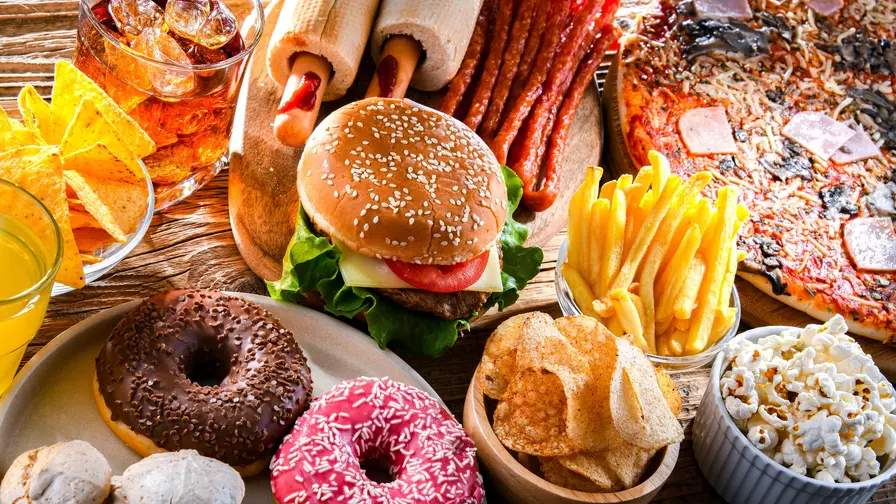
Read MoreNora Schmidt2026-02-213Ultra-Processed Diets Raise Heart Attack and Stroke RiskA US study using NHANES data finds adults with the highest intake of ultra-processed foods had a 47% greater likelihood of reporting a heart attack or stroke, underscoring links to inflammation and metabolic risk.
Read MoreNora Schmidt2026-02-20Almost Everyone Over 40 Has Shoulder AbnormalitiesA Finnish MRI study found rotator cuff abnormalities in nearly all adults over 40, even without pain. Experts urge cautious use of MRI and favor conservative care before surgery.
Read MoreOliver Hayes2026-02-192Heart Drug Dronedarone Reveals New Lymphoma WeaknessVCU researchers discovered that dronedarone, an antiarrhythmic drug, targets USP11's non-catalytic UBL domain to selectively impair lymphoma cells. Preclinical tests show tumor suppression with minimal toxicity, suggesting a promising drug-repurposing path for precision oncology.
Read MoreOliver Hayes2026-02-182A Heart-on-a-Chip That Maps Cardiac Cells in Real TimeA new heart-on-a-chip platform merges whole-tissue and cellular-level sensors to monitor contractile force and local stresses, promising improved drug testing and patient-specific cardiac models.
Read MoreNora Schmidt2026-02-182Common Diabetes Drug Linked to Longer Lives in WomenA long-term analysis suggests metformin, a common diabetes drug, is associated with a 30% reduced risk of death before age 90 among postmenopausal women, highlighting potential geroprotective effects and the need for randomized trials.
Read MoreOliver Hayes2026-02-182Lifelong Language Habits Reduce Alzheimer's Risk by 38%A Rush University study links lifelong engagement with reading, writing and languages to a 38% lower Alzheimer's risk and delayed onset. Lifelong cognitive enrichment may build resilience against dementia.
Read MoreNora Schmidt2026-02-172Pink Noise and Sleep: New Study Reveals Harmful EffectsA lab study finds that pink noise—a popular sleep aid—can reduce REM and deep sleep. Researchers compare pink noise with environmental noise, showing earplugs may protect sleep quality.
Read MoreOliver Hayes2026-02-162Pregnancy Deaths Shift: Overdose and Violence LeadA national review finds that accidental overdose, homicide and suicide now lead pregnancy-associated deaths in the U.S., calling for improved screening, data collection and integrated care during pregnancy and postpartum.
Read MoreOliver Hayes2026-02-162Why Colorectal Cancer Is Rising in Young Adults — What to KnowColorectal cancer diagnoses are rising among younger adults. This article explains emerging causes, symptoms to watch for, screening options, and practical steps to reduce risk.
Read MoreNora Schmidt2026-02-15Unexpected Molecular Shifts in Midlife and Early SixtiesA metabolomics study found sharp molecular shifts in both men and women around the mid-40s and again in the early 60s. Researchers urge larger, more detailed studies to identify causes and health implications.
Read MoreNora Schmidt2026-02-152One Third of Dementia Cases Linked to Peripheral IllnessA global review links about one-third of dementia cases to diseases outside the brain—gum disease, liver disease, hearing and vision loss, and type 2 diabetes—suggesting new prevention pathways.
Read MoreOliver Hayes2026-02-142Eating Within Eight Hours Reduces Crohn's Symptoms 40%A University of Calgary trial found that 16:8 time-restricted eating reduced Crohn's disease activity by about 40%, improved abdominal pain and lowered inflammatory markers—without changing calories or diet type.
Read MoreOliver Hayes2026-02-142Piezo1: The Protein That Could Mimic Exercise for BonesScientists identify Piezo1, a mechanosensitive protein in bone marrow stem cells, as a key mediator of exercise-driven bone growth; this insight points to potential therapies that mimic exercise for osteoporosis patients.
Read MoreOliver Hayes2026-02-142Why the Brain, Not Just Muscles, Boosts Exercise EnduranceNew research shows neurons in the ventromedial hypothalamus (VMH) drive endurance gains after repeated exercise in mice. SF1 neuron activity and synaptic growth correlate with improved stamina and metabolic adaptation.