Read MoreNora Schmidt2026-02-132mRNA COVID Vaccines in Pregnancy Not Linked to AutismA prospective multi-center study of 434 toddlers finds no link between maternal mRNA COVID-19 vaccination before or during pregnancy and early autism or developmental delays, offering reassurance for parents and clinicians.
Read MoreNora Schmidt2026-02-122Sleepless Nights Could Drive Half a Million Dementia CasesA reanalysis of older adults suggests insomnia could account for about 12.5% of dementia cases in the US — roughly 449,000 people in 2022 — highlighting sleep health as a potentially modifiable risk factor.
Read MoreNora Schmidt2026-02-122Five Sleep Subtypes Reveal Hidden Links to HealthA large study identifies five reproducible sleep subtypes—two morning types and three evening types—each tied to distinct health, behavior, and brain-imaging signatures, suggesting personalized sleep and health strategies.
Read MoreNora Schmidt2026-02-11When Ancient 'Poop Medicine' Meets Modern Microbiome ScienceOnce dismissed, fecal transplants are being reexamined with modern science. Properly screened stool can reshape the gut microbiome and shows promise for infections, metabolic and neuropsychiatric conditions—yet risks and time-limited effects demand caution.
Read MoreNora Schmidt2026-02-102Moderate Caffeine Intake Linked to Lower Dementia RiskA long-term study of nearly 132,000 people finds moderate caffeinated coffee or tea intake linked to an 18% lower dementia risk. Results are associative, not causal, and benefits plateau beyond moderate consumption.
Read MoreOliver Hayes2026-02-102When You Eat Matters: Fasting Eases Crohn’s SymptomsA 12-week randomized trial found that time-restricted feeding — eating within an 8-hour daily window — reduced Crohn’s disease activity by 40%, cut abdominal pain, and improved inflammatory markers without changing calorie intake.
Read MoreNora Schmidt2026-02-092New Oral Drug Slashes Remnant Cholesterol by 60% in TrialTLC-2716, an oral liver- and gut-targeted LXRα modulator, reduced triglycerides by ~38% and remnant cholesterol by up to 61% in a 14-day phase 1 trial. Early results support further testing for hypertriglyceridemia and MASLD.
Read MoreOliver Hayes2026-02-092Why Your 40s Feel So Exhausting — And How to Fix ItMidlife often feels uniquely exhausting because modest biological changes—muscle loss, mitochondrial decline, sleep fragmentation and hormone variability—coincide with peak life demands. This article explains why and what to do.
Read MoreOliver Hayes2026-02-092Why Genes May Account for Half of Human Lifespan NowA new twin-based analysis suggests genetics may explain roughly half of lifespan variation in low-risk populations, but heritability depends on context. Learn why genes, environment and disease mix to shape longevity.
Read MoreOliver Hayes2026-02-082A Nasal Spray That Neutralizes Multiple Influenza StrainsHarvard researchers report an intranasal antibody spray, CR9114, that targets influenza at the nasal mucosa. Early human and macaque trials show safe, short-term local protection against multiple A and B strains.
Read MoreNora Schmidt2026-02-08Meditation Alters Brain Dynamics, But Not Always for GoodNew research finds experienced meditators can show similar brain dynamics in meditation and rest, revealing complex neural changes and underreported risks like anxiety and derealization.
Read MoreNora Schmidt2026-02-07How the Bone-Brain Axis Links Depression and OsteoporosisEmerging science reveals a two‑way bone‑brain axis linking depression and osteoporosis. Studies propose exercise, neuromodulation, and drugs targeting bone signals as new routes for treatment.
Read MoreOliver Hayes2026-02-063Wildfire Smoke Kills Tens of Thousands Annually in U.S.A Science Advances study links long-term exposure to wildfire PM2.5 with roughly 24,100 U.S. deaths per year (2006–2020), highlighting health risks, methodological approach, and policy implications.
Read MoreOliver Hayes2026-02-052Could a Daily Pill Slash 'Bad' Cholesterol by 60%?A large randomized trial shows the experimental pill enlicitide can cut LDL cholesterol by up to 60% in high-risk patients on statins. Results rival injectable PCSK9 drugs, but outcome data are pending.
Read MoreNora Schmidt2026-02-052Why Yawns Push Cerebrospinal Fluid: New MRI EvidenceMRI scans of 22 volunteers show yawns can push cerebrospinal fluid away from the brain, a movement distinct from deep breaths. The finding suggests yawning might aid brain clearance or cooling; the study is a bioRxiv preprint.
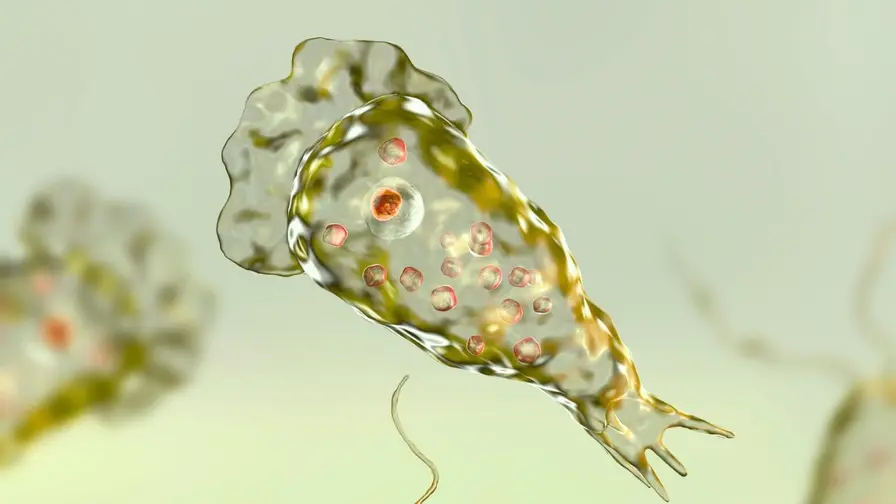
Read MoreNora Schmidt2026-02-043Warm Waters, Hidden Killers: The Spread of NaegleriaFree-living amoebas like Naegleria fowleri are expanding their range as waters warm. Learn how these organisms survive, why they shield other pathogens, and what individuals and utilities can do to reduce risk.
Read MoreNora Schmidt2026-02-043How Much Coffee Is Safe If You Have High Blood PressureIf you have high blood pressure, coffee need not be off-limits. This article explains how caffeine affects systolic and diastolic pressure, reviews the evidence, and offers practical guidance for safe consumption.
Read MoreOliver Hayes2026-02-032Oral Semaglutide Cuts Heart Events in Some Diabetes PatientsA reanalysis of a large trial finds oral semaglutide may reduce heart-related hospitalizations and deaths in people with type 2 diabetes who already have heart failure, though risks and mechanisms remain uncertain.
Read MoreOliver Hayes2026-02-032How Surgeons Kept a Man Alive 48 Hours Without LungsA 33-year-old with flu-triggered ARDS had both lungs removed and survived 48 hours on a custom total artificial lung, allowing a double lung transplant. The case suggests new options for catastrophic infectious lung failure.
Read MoreNora Schmidt2026-02-022A small peptide that could protect neurons in Parkinson'sResearchers link alpha-synuclein to mitochondrial failure in Parkinson's and test a peptide, CS2, that blocks this interaction—protecting ClpP, reducing inflammation, and restoring function in lab and animal models.