
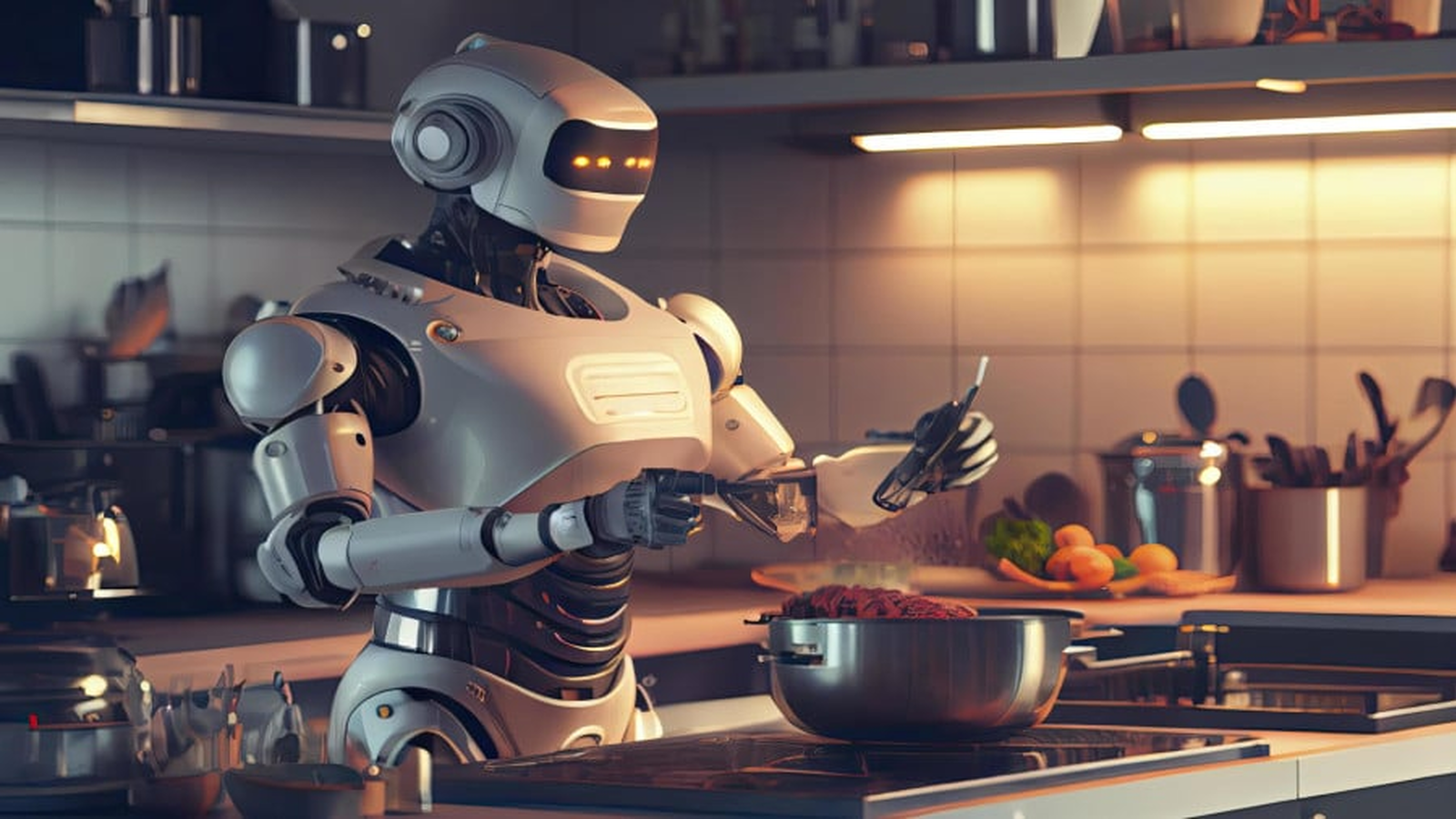
Picture a wok that hits 300°C without a human hand nearby. Steam curls. Oil pops. The heat is real. The chef is a machine.
At the Beijing World Robot Conference, Oak Deer Robotics pulled that scene from sci‑fi into a demo kitchen. The company unveiled three new products aimed at automating restaurant work: a multi‑modal AI called CookingMuse and an AI‑driven chef robot built around a robotic wok, a precision ingredient distribution system, and a frying algorithm tuned for Chinese stir‑fry techniques. Short searing. Fast tosses. Exact timing. The result: familiar dishes like pan‑fried tofu and green‑pepper beef produced in staged live demonstrations.
Oak Deer is not a pure startup story. Part government‑owned, the firm said its chef robots are already in use across more than 300 cities and in some 4,000 outlets nationwide. That scale explains the push for repeatability. Machines don’t tire. They measure. They repeat. And that appeals to operators hunting reliable portions, consistent cook times, and predictable margins.

Across the hall, Hikrobots showcased humanoid servers in fast‑food roles. Apron on, careful hands placing ingredients into bowls, then sliding the finished plates onto serving trays. The motion is deliberate. Not yet lightning fast. But it sketches the choreography restaurants will need if they hand routine tasks over to robots.
When a noodle bowl becomes a set of numbers
Outside the conference, a robotic noodle shop called Yujian Weilai started a trial in southwest Beijing. It lists three menu items: zhajiang mushroom noodles, beef‑and‑tomato noodles with brisket, and boiled beef noodles. Robots cook the noodles, add broth and meat, and a robotic arm passes the completed bowl to a delivery robot. Staff still stock ingredients and prep certain items, but most of the cooking and handoff happens with minimal human touch.
'We want to turn machine parameters into numbers so each bowl is exactly the same,' explained Li Pengzhen, the restaurant’s CEO. That sentence nails the ambition: convert taste into repeatable metrics. Convert feel into data.

So what does this mean for flavor and for kitchens? Full‑spectrum autonomous chefs that handle every step from raw supply to plated dish are still some distance away. But these prototypes and pilot restaurants show where the work is heading: standardization, efficiency, and new operational models for foodservice. Beijing may well become the city where large‑scale automated cooking is tested, refined, and normalized.
Will customers accept a robotic rendition of a beloved local dish? Will standardization flatten regional nuance—or will it help restaurants scale quality without losing identity? Those are questions chefs, entrepreneurs, and diners will answer together as the pots keep sizzling.


“I love exploring gadgets, apps, and trends that redefine how we connect, work, and play in a digital world.”

Discussion
Leave a Comment
Comments
No comments yet. Be the first.