
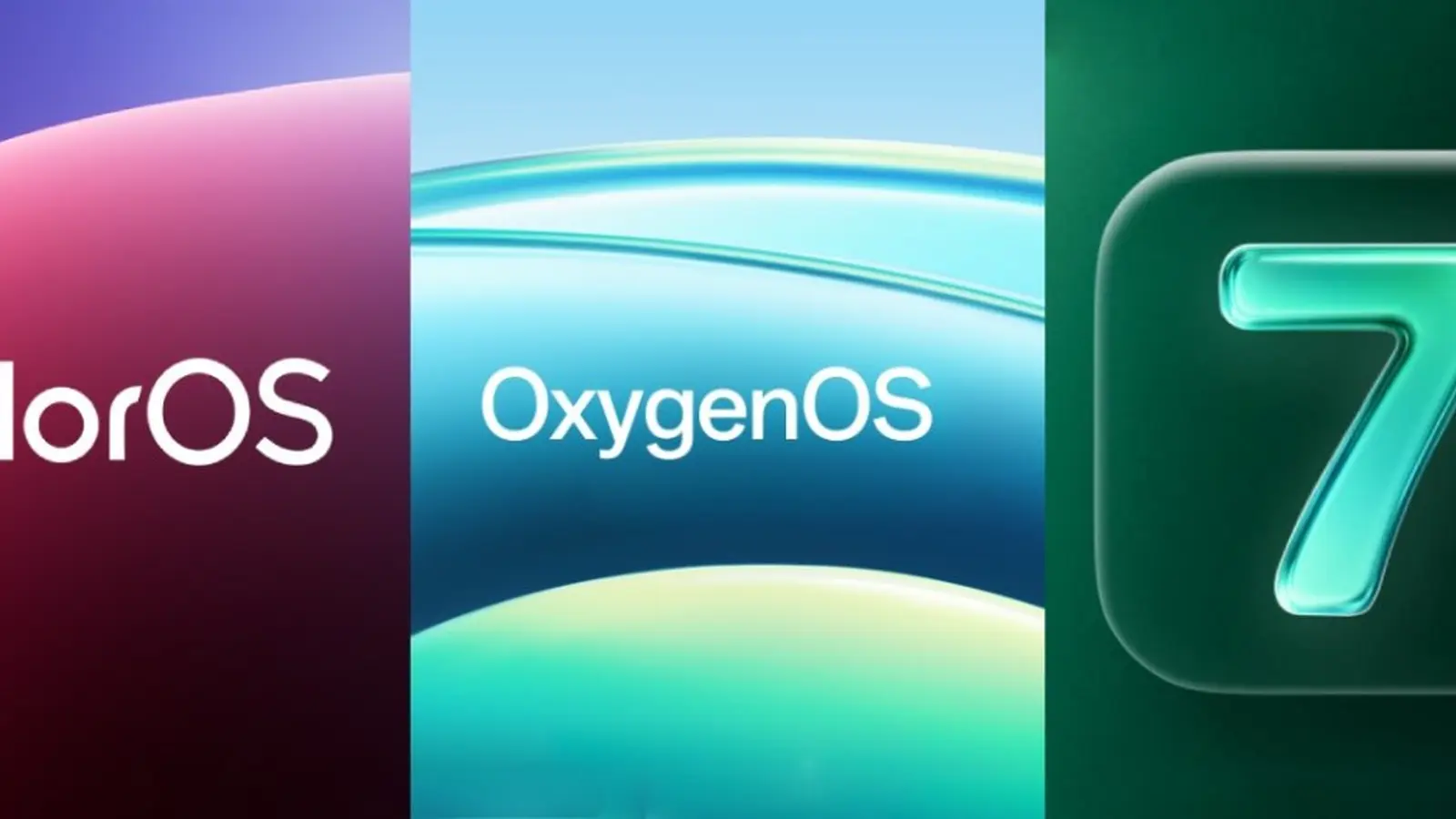
The smartphone world is about to get quieter. Not with fanfare, but with a set of backstage decisions that could redraw how three familiar brands present Android to the world.
Back in 2021, Pete Lau signaled the first step: OxygenOS and ColorOS would converge. At the time it sounded like a technical tidy-up. Now an industry insider says the tidy-up is becoming a full rebrand — Realme UI could be folded into ColorOS as well. That would leave ColorOS as the single software thread for Oppo, OnePlus and Realme.
A quiet reshuffle behind the scenes
Why does it matter? Because software is expensive. Maintaining separate Android skins means duplicate engineering, testing and local customizations. Combine those teams and you reduce overlap, speed up updates and free budget for other priorities — camera features, chip partnerships, whatever the product teams want to push next.
But this is more than cost-cutting. The moves we can already observe smell like a deliberate consolidation. OnePlus storefronts in the UK are running low on stock. OnePlus Germany nudges buyers toward Oppo models. After-sales for OnePlus in India is reportedly already routed through Oppo’s service network. The pattern suggests OnePlus will narrow its geographic focus to China and India, while Realme shifts emphasis away from the Chinese market and eyes international expansion.

So where do customers fit into this? Expect a simpler software story: fewer skins, more shared features, and a more uniform update cadence across devices that used to feel distinct. That could be a net win for average users who care about stability and timely security patches. Enthusiasts who loved OxygenOS’s idiosyncrasies might feel the loss.
The core takeaway is straightforward: Oppo appears to be consolidating three related brands under one unified software platform to streamline development and support.
- Stronger R&D focus: One codebase, faster feature rollouts.
- After-sales simplification: Shared service channels, fewer regional differences.
- Market realignment: OnePlus centered on India and China; Realme targeting global markets outside China.
What about the United States? That remains unclear. Oppo as a brand never built the same awareness there as in Asia and Europe. OnePlus, despite early hype, never broke past roughly a single-digit share in the US. If Oppo and OnePlus scale back retail effort, the American landscape will stay dominated by Apple, Samsung and a handful of legacy names.
There are open questions. Will ColorOS absorb every distinctive feature from OxygenOS and Realme UI, or will some customization survive as brand-flavored themes? How will this affect carrier partnerships and regional app ecosystems? And crucially: will consumers notice, or barely care?
For now, keep an eye on firmware updates and customer support notices. Those small signals — which model gets access to which feature and who handles repairs — will reveal whether this is a strategic convergence or just the next stage of corporate housekeeping.

“I cover emerging technologies, digital innovation, and the intersection of tech and everyday life. My goal is to make complex trends accessible and inspiring.”

Discussion
Leave a Comment
Comments (2)
I've seen this at my company, teams merged to one skin, faster patches, less quirks. users won some, lost some. meh
Wait, realme UI folding into ColorOS? sounds legit but is this official or rumor.. curious how updates will work