

DJI used IFA 2026 to showcase two very different hero products: the new Osmo 360 II, its second-generation 360-degree action camera, and the ROMO 2, an upgraded robot vacuum designed to handle more difficult cleaning environments.
During our visit to the DJI booth, the company focused on practical changes driven by feedback from the first generation of each product. For the Osmo 360 II, that means replaceable lenses and improved imaging. For ROMO 2, the upgrades are centered on obstacle crossing, edge cleaning and stronger suction.
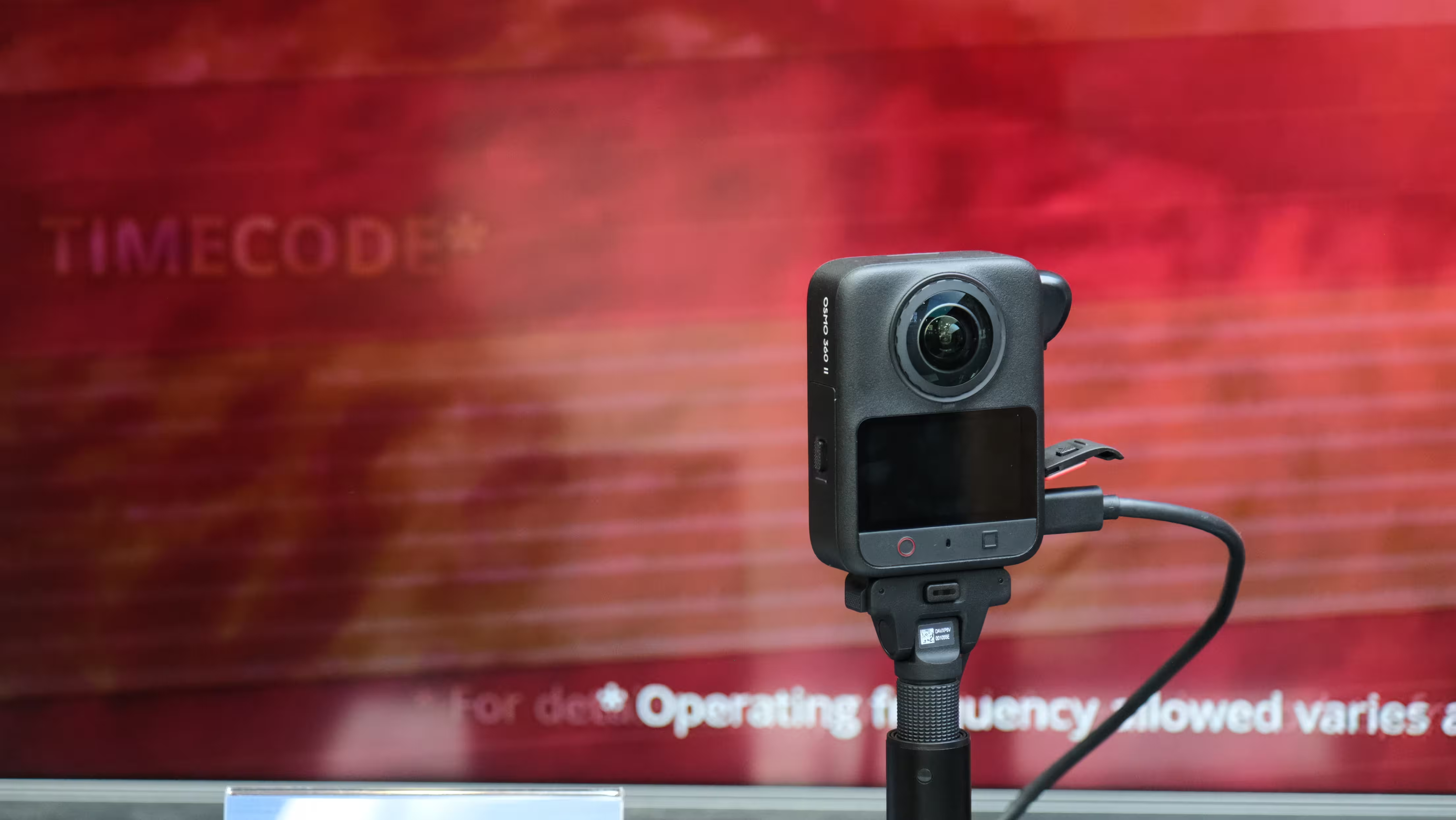
Osmo 360 II arrives with replaceable lenses
The first product shown to us was the DJI Osmo 360 II, which had been officially launched just before the exhibition.
One of the most important changes from the original Osmo 360 is the introduction of replaceable front and rear lenses.
That matters particularly for a 360-degree action camera, where the exposed lenses are more vulnerable to scratches and impacts during activities such as cycling, skiing or other outdoor sports.
DJI says both lenses now use an ultra-hard optical coating and can be replaced individually if damaged, rather than requiring the entire camera to be serviced.
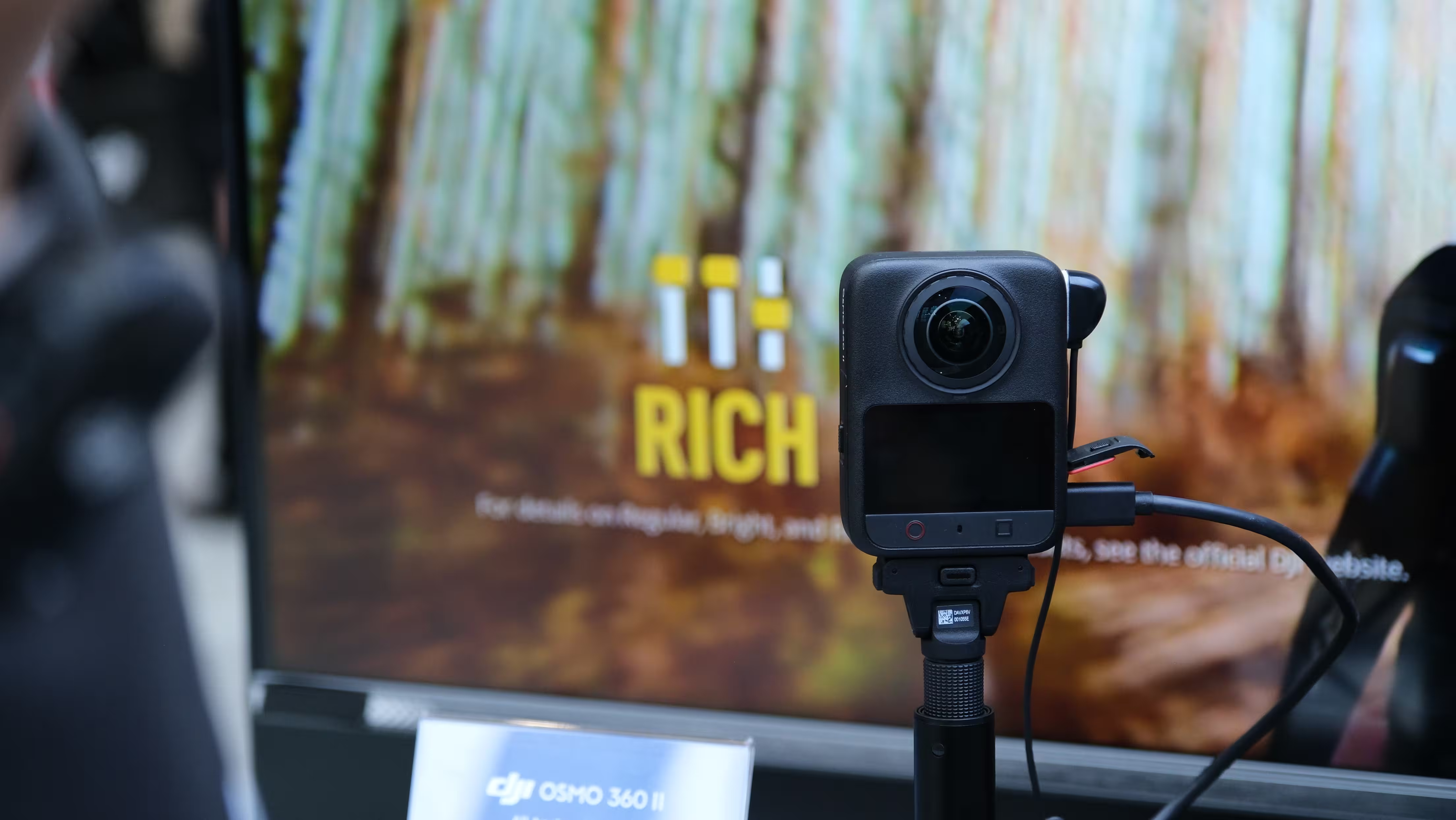
1-inch imaging and 8K at 60fps
The imaging system is another major upgrade.
Osmo 360 II uses DJI’s new 1-inch square HDR image sensor and can record panoramic video at up to 8K resolution and 60 frames per second.
That is a meaningful step up from the first-generation Osmo 360, which used a 1/1.1-inch sensor and topped out at 8K/50fps for panoramic recording.
At the booth, DJI positioned the new model as a more capable action camera for demanding environments, while maintaining the ability to capture everything around the user and reframe the footage later.
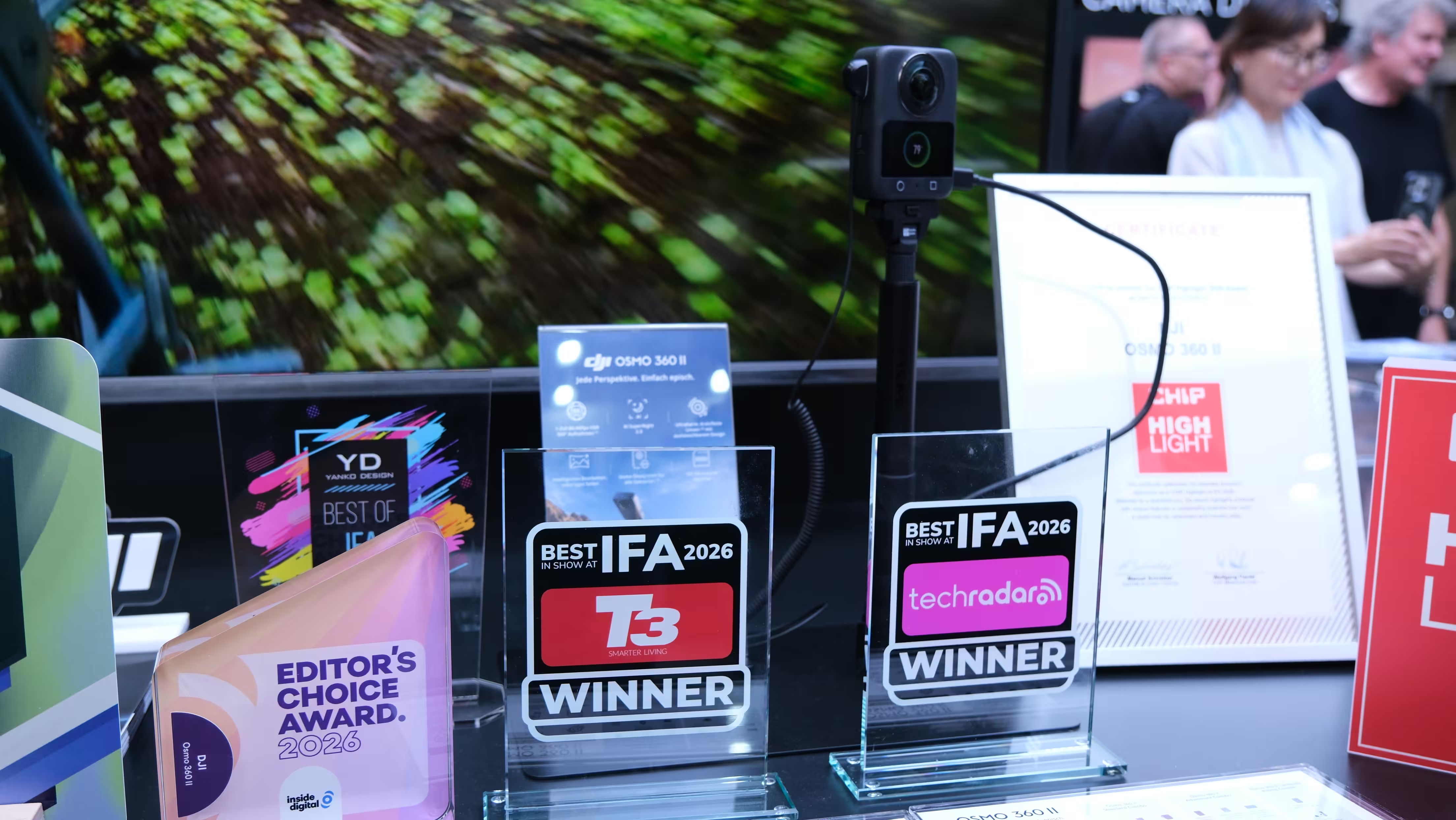
DJI Studio can handle the 360-degree footage afterward
Capturing 360-degree video is only half of the workflow.
Once footage has been recorded, it can be transferred into DJI Studio for post-production. Users can either edit the footage themselves or use DJI’s automated tools to simplify the process.
DJI also says the updated workflow supports intelligent subject tracking and easier reframing, while footage exported from DJI Studio can be brought into DaVinci Resolve through DJI’s plugin for more advanced editing.
That is especially useful for creators who want to capture a scene first and decide on the final camera angle afterward.
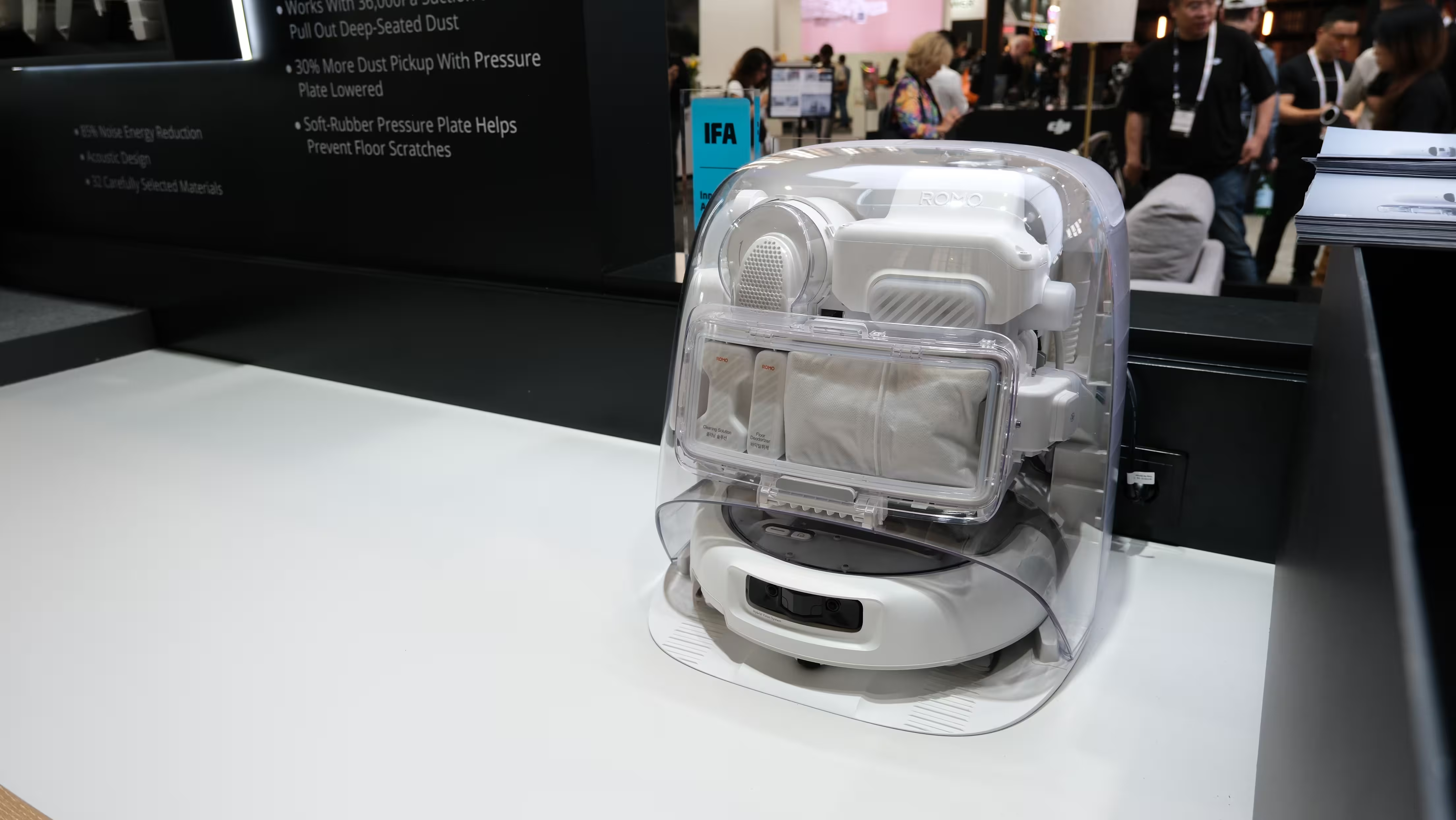
ROMO 2 tackles one of robot vacuums’ oldest problems: steps
DJI’s second major product demonstration at IFA was the ROMO 2 robot vacuum.
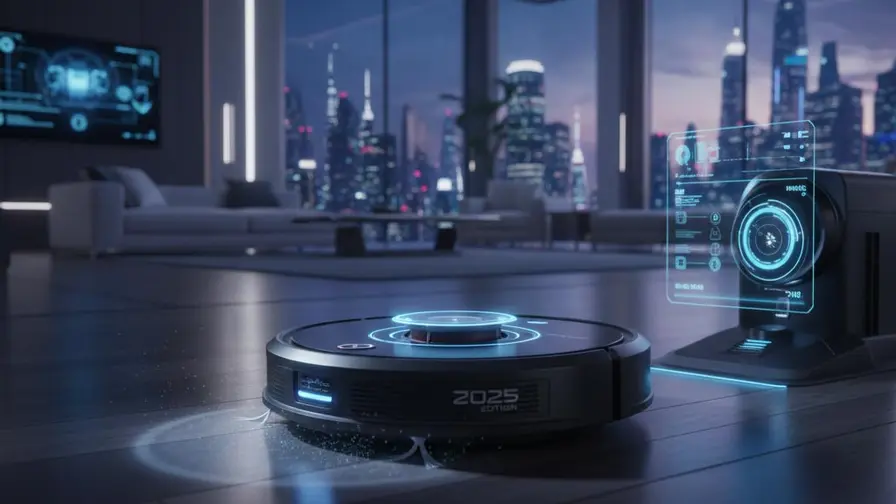
The company introduced the original ROMO last year, but feedback from users highlighted a familiar limitation of robot vacuums: even relatively small thresholds or steps can stop them from reaching another part of the home.
ROMO 2 addresses this with a new climbing mechanism.
During our demonstration, the DJI representative explained that the system can lift itself to overcome obstacles measuring up to 8.5 cm in a two-step configuration.
DJI’s official specification confirms a maximum dual-step crossing height of 8.5 cm under its laboratory test conditions.
Extendable mop arms get closer to furniture edges
Edge cleaning has also been redesigned.
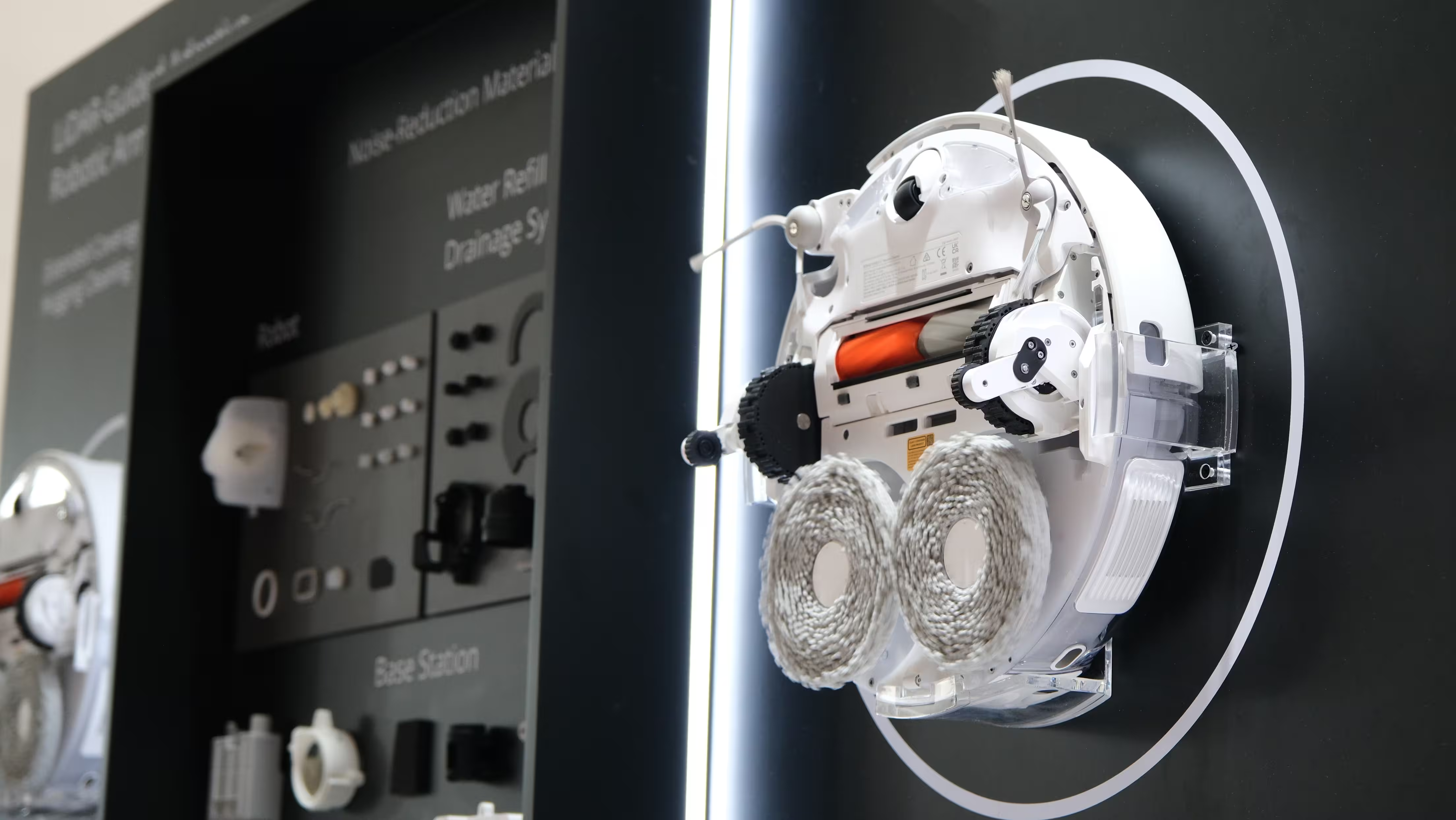
On the previous generation, the rotating mop pads could extend slightly beyond the body of the robot. With ROMO 2, DJI has mounted them on movable arms that can reach farther outward.
The idea is simple: when the robot approaches something such as a chair leg or the edge of a room, the mop can move closer to the obstacle instead of leaving a wider uncleaned gap.
It is one of those upgrades that may sound relatively small on paper, but directly addresses one of the practical weaknesses of many circular robot vacuums.
Suction power is also higher
DJI also told us that suction performance has been improved compared with the first ROMO generation.
The representative described the increase as around 30%, positioning the new model as a stronger cleaner alongside its improved mobility and edge-reaching system.
Rather than changing the basic concept of ROMO, DJI appears to have concentrated on the problems users encountered during real-world use of the first model.
Two very different products, one similar upgrade strategy
Osmo 360 II and ROMO 2 have almost nothing in common as products, but DJI’s approach to their second generations is surprisingly similar.
The original Osmo 360 exposed its lenses to the rough conditions expected of an action camera, so DJI made them replaceable.
ROMO users wanted the robot to reach areas separated by higher thresholds and clean closer to furniture, so DJI added a climbing mechanism and extendable mop arms.
That feedback-driven development was the main story behind DJI’s presentation to us at IFA 2026.
For content creators, the Osmo 360 II is the more obvious headline product, combining 1-inch 360-degree imaging, 8K/60fps recording and replaceable lenses. For the smart-home side of DJI’s business, ROMO 2 shows the company continuing to refine its surprisingly recent move into robotic cleaning.

“Some times I write about breakthrough startups, digital ecosystems, and how innovation is changing the way we build businesses.”

Discussion
Leave a Comment
Comments (2)
ROMO 2 climbs 8.5cm? if that's real then nice, but in my place rugs and tiny steps always trip robots, so skeptic
Whoa replaceable lenses on a 360 cam? finally. 8K/60 and 1-inch sensor sounds sick, but what's the battery life, tho…